When you search for sewing classes near me, you are probably not looking for another hobby that leaves you with a crooked hem and a machine full of tangled thread. You want to understand how clothes are built, make pieces that fit your body, and stop treating every garment problem as a personal failure. After altering more than 12,000 garments, I can tell you this: sewing becomes much less mysterious when someone shows you what to look at from the inside.
A good class will not simply teach you how to operate a machine. It will teach you why a seam puckers, where a dart belongs, how much ease a woven fabric needs, and when a pattern is fighting your shape. Those are the lessons that follow you from one blouse to the next.
Decide What You Actually Want to Make
Before comparing sewing classes near me, choose a useful first project. “I want to sew” is too broad to guide your search. A beginner who wants linen pants needs different instruction from someone hoping to alter thrifted dresses or make a quilt.
For clothing, start with a project that has a forgiving silhouette: an elastic-waist skirt, simple pull-on pants, or an unlined shift dress. Avoid beginning with a fitted blazer, slippery satin, or a wedding gown. I have rebuilt enough bodices to know that complicated construction is not a character-building exercise; it is often just expensive frustration.
Ask whether the class teaches garment fitting or only pattern assembly. You want to hear terms such as finished measurements, seam allowance, grainline, muslin, and ease explained in ordinary language. If the instructor talks only about completing a project, you may leave with one finished item but no idea how to fix the next one.
What to Look for in an Instructor
The best sewing classes near me listings will tell you who teaches, how many students attend, and what equipment is supplied. Those details matter. A class with six students and one instructor can be productive; a class with 18 people and a single overworked teacher is a different animal entirely.
Look for an instructor who demonstrates before asking students to repeat a step. You should see how they thread the machine, backstitch, press a seam, and check a seam intersection. Pressing is especially important. Many beginners sew a seam and immediately move on, leaving a ridge where a flat, crisp line should be. The iron is not decoration. It is part of construction.
Read the project description carefully. “Make a garment” sounds impressive, but it does not tell you whether the teacher helps with measurements, pattern selection, fabric grain, or adjustments. A strong instructor will explain what happens when your bust, waist, and hip measurements fall into three different pattern sizes. That is normal. Patterns are drafted on averages; actual women are not.
Machine, Materials, and Class Cost
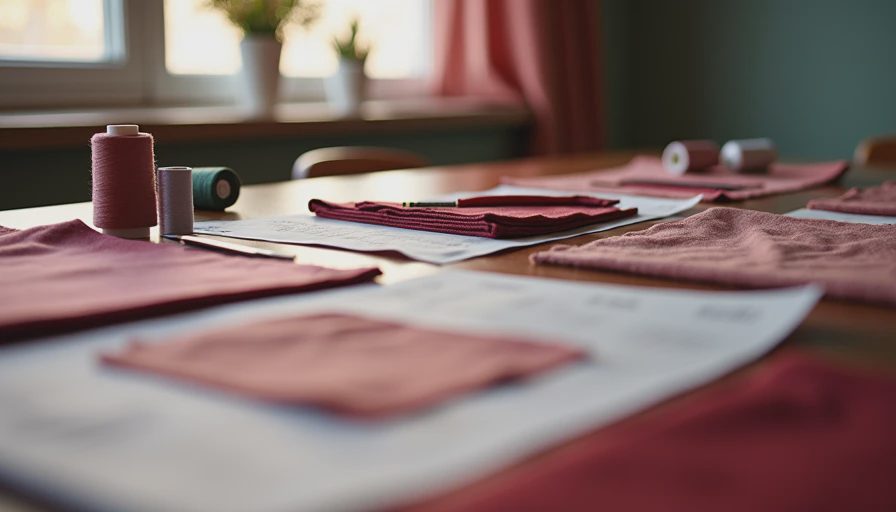
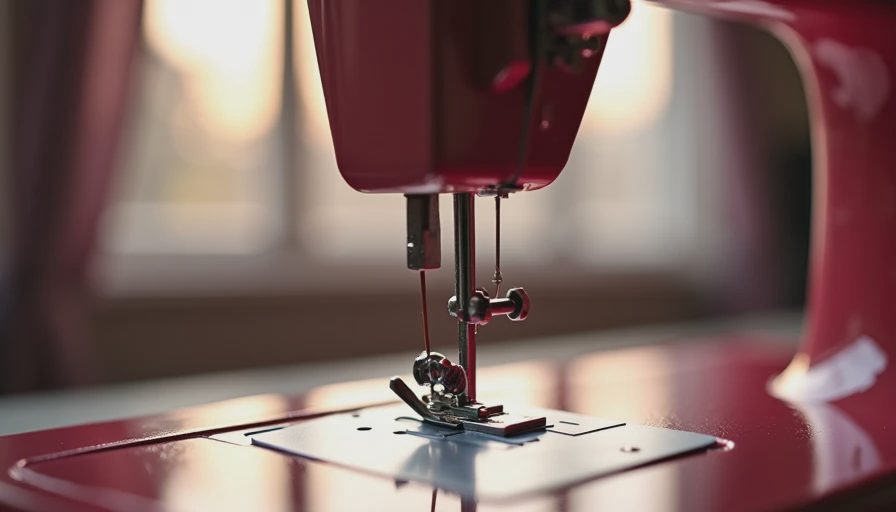
Many sewing classes near me searches lead to studios that provide machines, which is useful if you are still deciding whether to buy one. A basic class machine from Brother, Janome, or Singer is enough for most beginner projects. You do not need a $1,500 machine with embroidery functions to learn a straight stitch and construct a skirt.
Beginner group classes commonly cost about $35 to $90 for a short session, while multiweek courses can run from roughly $150 to $500 depending on location, class size, and materials. Private lessons often cost more, frequently $50 to $120 per hour. The cheapest option is not automatically the best value. A teacher who catches a distorted neckline before you cut six more pieces can save more fabric than the class fee.
Ask what the price includes. Some studios provide machines, cutting tools, thread, and pressing equipment but require you to purchase fabric and a pattern. Others bundle a kit into the tuition. For a first garment, budget for fabric, interfacing, a zipper or elastic, matching thread, and possible replacement needles. A project advertised at $40 can easily require another $35 in supplies.
How a Class Should Teach Fit
A class worth taking will measure more than your bust, waist, and hip. Shoulder width, back length, high bust, and finished garment length can determine whether a top hangs correctly. I once worked on a dress that looked “too small” everywhere. Turned inside out, the real problem was a shoulder seam sitting nearly an inch too far back. The side seams were innocent.
When reviewing sewing classes near me, ask whether you will make a test garment, often called a muslin, before cutting your final fabric. A muslin reveals pulling across the bust, excess fabric at the lower back, and a waistline that sits too high or low. It is not wasted fabric. It is information.
You should also learn to recognize fit lines. Horizontal drag lines usually point toward a place that needs more room. Vertical folds can signal excess width or a shoulder issue. A hem that swings up in front may indicate the garment needs more length over the body, not that you measured incorrectly. Good instruction replaces guesswork with diagnosis.
Choosing Fabric Without Regret
Sewing classes near me often list fabric requirements, but beginners still benefit from learning how fabric behaves before buying it. Hold the bolt by one corner. Does it collapse softly, stand away from your hand, stretch across the width, or show a clear lengthwise grain? Each answer changes what the finished garment will do.
A stable cotton poplin is easier for a first shirt than rayon challis, which shifts under the shears. Medium-weight linen is rewarding but can fray, so neat seam finishing matters. Polyester crepe may look polished, yet it can slide while cutting and resist pressing. None of these fabrics is bad. They simply demand different handling.
A teacher should show you how to prewash fabric according to the care label, straighten the grain, place pattern pieces, and test a needle on a scrap. Universal needles are a reasonable starting point, while ballpoint needles suit many knits. Thread tension should be adjusted only after checking threading, needle choice, and bobbin placement. Turning a tension dial in panic is how small problems become theatrical ones.
Questions to Ask Before You Enroll
If you are still comparing sewing classes near me, send the studio a short list of practical questions. Ask how many students are in the room, whether beginners and experienced sewists share the same session, and whether you can make a project that suits your skill level. Find out if missed classes can be made up and whether fabric must be purchased before the first meeting.
Ask what happens when a student gets stuck. Is there individual fitting help, or does everyone follow the same demonstration? Can you bring a commercial pattern, or must the whole class use one pattern? Are cutting tables available? Does the studio have irons, rulers, rotary cutters, and seam gauges?
Pay attention to the answer’s tone. A teacher who welcomes specific questions will probably be patient when your sleeve cap refuses to behave. Someone who dismisses fitting concerns with “just follow the pattern” is not offering the education most clothing makers need.
Your First Class Checklist
Bring a notebook, fabric scissors if requested, a tape measure, and a pencil. Do not bring your best fabric until you understand the instructor’s process. Use inexpensive muslin or a remnant for practice, then apply what you learned to better cloth.
During the first lesson, write down the needle type, stitch length, seam allowance, and pressing instructions. Photograph your machine’s threading path if the studio allows it. At home, practice straight seams on scraps before returning to the project. Ten minutes of controlled practice can make the next class far less stressful.
The right sewing classes near me will leave you with more than a completed garment. You will know how to inspect a seam, alter a pattern, select a sensible fabric, and question a fit that feels wrong. That is the real payoff. Clothes stop looking like sealed objects and start looking like a series of understandable decisions. Turn a garment inside out and study it. The inside tells the truth.

No notes yet — write the first one.