When people search for types of fashion styles, they are often looking for a label that will make getting dressed easier. I understand the appeal. After twelve years and more than 12,000 garments altered, I have learned that a style label is useful only when it helps you understand proportion, fabric, and construction. It should not become another rulebook telling you what a woman is allowed to wear.
The better question is not, “Which category am I?” It is, “What shapes, textures, and details make me feel comfortable and look intentional?” Turn a garment inside out, and the answer usually becomes clearer. The inside tells the truth.
Classic style: structure that earns its place
Classic style is built around reliable shapes: a straight-leg trouser, a crisp button-front shirt, a knee-length or midi skirt, a tailored blazer, and a simple wool coat. These pieces do not need to be boring. Their strength comes from proportion and construction rather than decoration.
Pick up a classic blazer and inspect the front edge. Is the lapel sitting flat? Do the darts point toward the bust without ending directly on it? Is the lining smooth at the armhole? A $250 jacket with balanced shoulders and a clean lining can look more polished than a $900 jacket with puckered seams.
Classic clothing works especially well when your schedule includes offices, meetings, dinners, and ordinary errands. Use color, jewelry, shoes, or a textured knit to add personality. The foundation stays steady while the smaller details change. Among the many types of fashion styles, this one rewards careful buying because a well-made navy jacket can serve you for years.
Minimalist style: fewer pieces, more scrutiny
Minimalist dressing is not simply owning beige clothes. It is choosing a smaller number of garments and making each one carry its weight. A cream sweater, black trouser, white shirt, or simple slip dress has nowhere to hide. When the design is quiet, fit becomes the main event.
Look at the shoulder seam first. It should land near the natural end of your shoulder, unless the garment is deliberately cut with a dropped shoulder. Then check the side seam. If it twists toward the front, the pattern or fit may be off. A little ease is useful; fabric stretched across the bust or pulling at the hip is not a minimalist detail. It is a distress signal.
For this style, spend money on fabric with a pleasing hand: cotton poplin that does not collapse, wool that resists immediate fuzzing, or a rayon blend that drapes without clinging. Minimalism can reduce closet clutter, but it does not excuse cheap construction.
Romantic style: softness with engineering underneath
Romantic style uses gathered fabric, curved necklines, lace, puffed sleeves, floral prints, ruffles, and gentle colors. It can look delicate, but a successful romantic garment still depends on engineering. A sleeve must be supported by a properly drafted armhole. A gathered waist needs enough seam strength to carry the fullness. Lace needs clean finishing so it does not unravel after two washes.
When I examine a romantic blouse, I look at the gathers near the neckline and waist. Are they evenly distributed, or have they been shoved into a few bulky clumps? Is there a facing behind the neckline? Does the sleeve cuff sit neatly, or does it twist because the grain is wrong? These small decisions determine whether the blouse looks graceful or like it lost an argument with a curtain.
Balance softness with one firm element. Try a floral blouse with straight denim, a full skirt with a fitted knit, or a lace detail under a structured jacket. The contrast keeps the outfit grown-up and wearable.
Bohemian style: movement, texture, and proportion
Bohemian style is associated with flowing skirts, loose blouses, embroidery, crochet, suede, natural fibers, and layered jewelry. The central idea is movement. Garments should shift around the body rather than hold it in a rigid outline.
That does not mean every piece should be oversized. If a long skirt is full, pair it with a closer-fitting top or show the waist with a tuck. If the blouse has wide sleeves, let the pants or skirt provide a quieter line. Otherwise, the volume has nowhere to settle.
Fabric weight matters enormously here. A lightweight linen can create lovely movement, while a heavy polyester may hang stiffly and trap heat. Check the hem as well. Uneven tension can make a flowing skirt dip strangely, especially after laundering. Among the types of fashion styles, bohemian dressing is one where texture often matters more than color. A plain oatmeal linen dress can have far more character than a loud print made from lifeless fabric.
Edgy and street style: deliberate contrast
Edgy and street style often combine denim, leather, cargo details, graphic shirts, sneakers, boots, and unexpected proportions. The look may be relaxed, but it should not appear accidental. Contrast is the organizing principle: soft with hard, polished with worn, narrow with oversized.
Start with one strong piece. That might be a cropped leather jacket, a pair of wide-leg cargo pants, or a substantial boot. Then give it room to speak. Four competing statement pieces create visual noise, not confidence. A faded T-shirt can work beautifully with tailored trousers because the difference in finish creates interest.
Inspect hardware and stress points before buying. Zippers should glide, snaps should be firmly attached, and pocket corners should have reinforcement. If a garment is intended for hard wear but has tiny bar tacks and weak thread, the styling is pretending to be tougher than the sewing. The inside tells the truth again.
Preppy and polished casual style: repeatable formulas
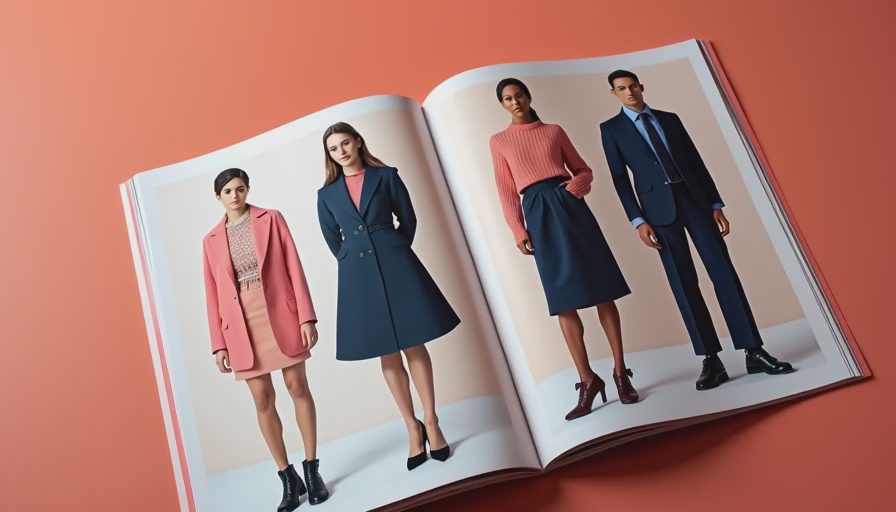
Preppy style uses familiar pieces such as cardigans, loafers, striped shirts, pleated skirts, chinos, and cable-knit sweaters. Polished casual style borrows the same sense of order but may use denim, clean sneakers, or softer jersey. Both rely on repeatable formulas, which is useful when mornings are crowded.
Try a striped shirt with dark jeans and loafers, or a fine-gauge cardigan over a sleeveless dress. The outfit works because the pieces have clear jobs. One provides pattern, another provides shape, and the shoes establish finish. You do not need a closet full of matching sets.
Fit is especially important with this category. A cardigan that is too tight at the button band will pull across the bust. A pleated skirt that is too short for its volume can feel costume-like rather than polished. A tailor can often adjust a hem, sleeve, or waistband for $20 to $80, depending on the work. That small alteration can change the entire impression of an outfit.
How to identify your personal style
Use the types of fashion styles as vocabulary, not as permanent identities. Start by pulling ten garments from your closet that you wear repeatedly. Lay them on the bed and look for physical similarities. Are the shoulders structured? Are the fabrics soft? Do you prefer a visible waist, a long vertical line, or relaxed ease? Which clothes require constant adjusting?
Next, turn those garments inside out. Look at the seams, lining, hems, darts, and closures. Your favorites often share a construction feature: perhaps a flexible waistband, a lined bodice, a sleeve that allows movement, or a fabric that survives your real laundry routine. Those details are more useful than a mood board filled with outfits you will never wear.
When shopping, write down three requirements before opening a browser. You might choose “breathable fabric, room at the upper arm, machine washable.” This prevents a beautiful photograph from overriding practical information. Read the fiber content, measure a garment you already own, and check the return policy. A label cannot tell you everything, but it gives you a starting point.
The most useful types of fashion styles are the ones that help you buy less randomly. You can borrow the clean lines of classic dressing, the ease of bohemian clothing, the softness of romantic pieces, or the contrast of street style without becoming trapped by any one category. Try clothes on, study what pulls and what hangs cleanly, and make alterations when the garment is worth saving. A good wardrobe is not a performance of taste. It is a collection of clothes built to meet your body and your life where they actually are.
If you want a practical starting point, choose one outfit you already trust and identify why it works. Then repeat its best feature in another fabric or silhouette. That is how personal style becomes usable: one sound seam, one comfortable proportion, and one honest garment at a time.




No notes yet — write the first one.