The Call That Changed My Weekend Plans
It was a Friday night in late spring. My phone rang at 9:47 p.m. I knew before answering it would be trouble.
“Paige, it’s Sarah. The bride. The dress… it’s falling apart. Can you come in?”
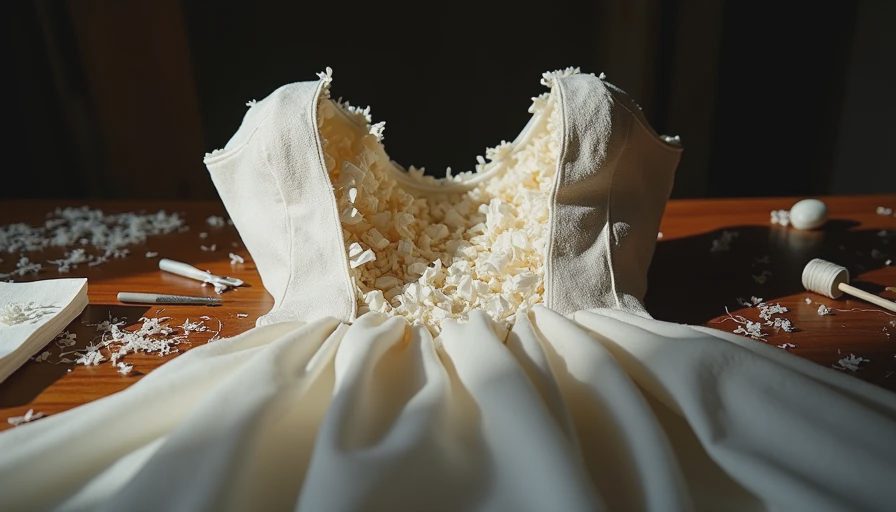
Two hours before the ceremony the next morning, I found myself in the bridal suite with a $4,800 gown that looked beautiful from ten feet away but was structurally collapsing up close. The bodice was separating from the skirt, boning was poking through, and several key seams had given up completely.
This is the story of how I rebuilt that bodice in record time — and what it taught me about the difference between clothes that look good and clothes that actually work.
Welcome to the Alterations Table
If you’ve been following along, you know I spent twelve years as a bridal alterations specialist. My days (and many nights) involved taking apart expensive gowns and putting them back together so they’d fit real human bodies instead of the sample size they were designed for.
Most days were calm. Some days were absolute chaos. This was one of the chaotic ones.
The Scene of the Crime
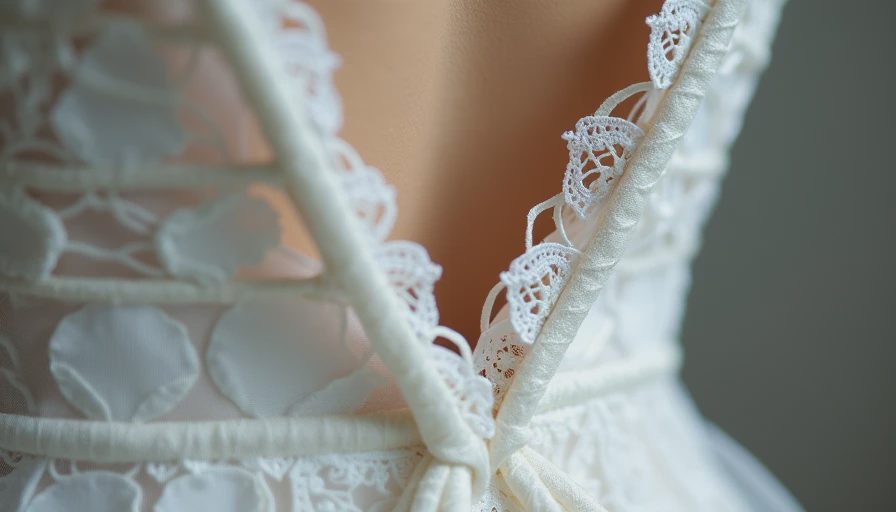
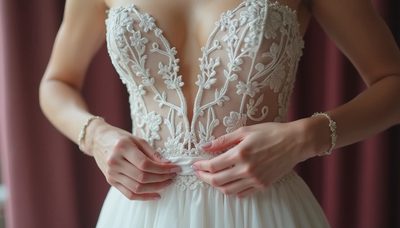
The dress was a classic A-line with a fitted bodice, delicate lace overlay, and what was supposed to be a supportive internal structure. On the hanger it looked like a dream. On the bride? It was a nightmare.
When I turned it inside out under the harsh fitting room lights, the problems were obvious:
Seam allowances so narrow they were fraying under tension
Boning channels that were poorly attached
A lining that didn’t match the outer fabric’s stretch
Critical support seams that had been rushed during manufacturing
The manufacturer had cut every possible corner while keeping the outside looking expensive. Classic case of style over substance.
Two Hours to Save the Day
I rolled up my sleeves, brewed strong coffee, and got to work.
First, I completely removed the failing bodice sections. Then I recut new stabilizing pieces from stronger interfacing and fabric remnants we had on hand. I reinforced every major seam with proper stitching and added extra boning where the original structure had failed.
I rebuilt the attachment points between bodice and skirt with sturdy techniques that should have been done at the factory. My hands moved on autopilot while my mind raced through calculations — tension, drape, how the bride would move during the ceremony.
By 2:30 a.m., the dress was back together. Not perfect, but strong enough to survive the wedding day. The bride cried happy tears when she tried it on again at 7 a.m.
What This Emergency Taught Me
That night crystallized something I’d been noticing for years:
The most expensive dresses are often the most poorly constructed underneath.
Brands rely on beautiful exteriors and marketing to sell the dream. They know most customers never see (or understand) what’s happening on the inside. So they skimp where it doesn’t show — until it does show, usually at the worst possible moment.
I’ve seen this pattern repeatedly:
Cheap thread that breaks under stress
Inadequate reinforcement in high-movement areas
Linings that fight the outer fabric instead of supporting it
Seam finishes that fail after one or two wears
The inside always tells the truth.
Lessons for Everyday Wardrobes
You might not be buying wedding gowns, but the same principles apply to your work blazers, favorite dresses, and everyday pants.
When construction is rushed:
Seams pull and split
Zippers fail
Hems roll
Clothes lose their shape quickly
When construction is thoughtful:
Garments move with you
They last for years
You forget you’re wearing them (in the best way)
The difference is in the details most people never think about until something goes wrong.
How to Avoid Your Own Wedding Dress Disaster
Here are my hard-earned tips:
Inspect before you buy. Turn things inside out in the store. Yes, really.
Feel the structure. Does the garment have proper interfacing and boning where needed?
Check movement. Sit, reach, twist. If it fights you in the fitting room, it will fight you harder later.
Consider tailoring early. A good tailor can fix many problems, but they can’t perform miracles on terrible base construction.
Invest where it counts. Sometimes paying more for better internal construction saves money long-term.
The Quiet Dignity of a Well-Made Garment
There’s something deeply satisfying about a piece that’s built right. Seams that stay put. Linings that glide smoothly. Structure that supports without being stiff.
These are the clothes that become old friends in your closet. The blazer you reach for again and again. The dress that still looks sharp after dozens of wears.
I’ve learned to appreciate these quiet heroes. They don’t need flashy labels. They just work.
A Final Thought From the Sewing Room
My daughter Emma once asked why I was up so late fixing that dress. I told her I wanted the bride to feel beautiful and confident on her big day. She nodded seriously and said, “Like how you fix my clothes so I can run without them being itchy.”
Exactly.
Whether it’s a wedding gown or a pair of school pants, the goal is the same: clothes that support real life instead of complicating it.
The inside tells the truth. And sometimes the truth is that we need to demand better construction — for special occasions and ordinary Tuesdays alike.
Thanks for letting me share one of my wilder stories. There are plenty more where that came from.


No notes yet — write the first one.