The Price Tag Lie We All Fall For
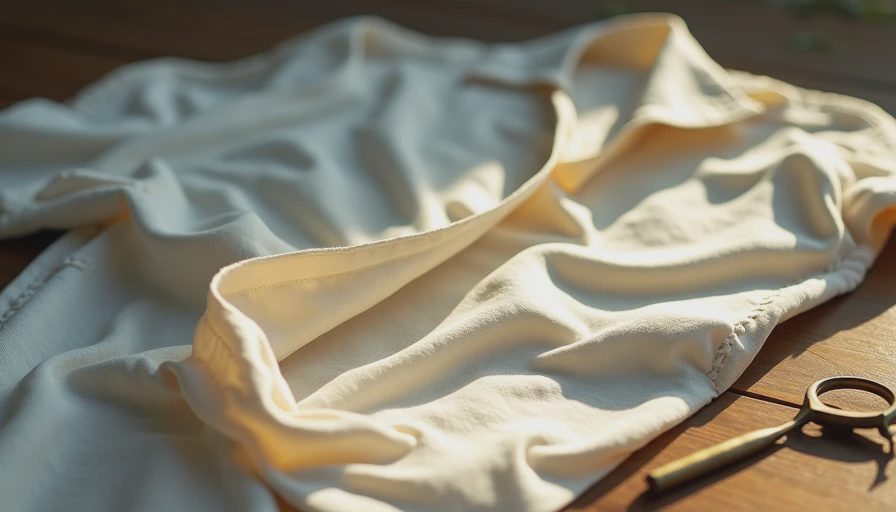
You find the perfect blouse. It drapes beautifully in the store, the color makes your eyes pop, and the price tag says $79.99. You bring it home, wear it twice, and suddenly the side seam is fraying, the hem is rolling, and the whole thing looks tired. What happened?
I’ll tell you exactly what happened: that $80 blouse probably has about $12 worth of seam finishing on the inside — maybe less.
Hello, friends. Paige Sullivan here, back with another autopsy from the alterations table. Today we’re turning another garment inside out to see what the manufacturers don’t want you to notice.
What Seam Finish Actually Means
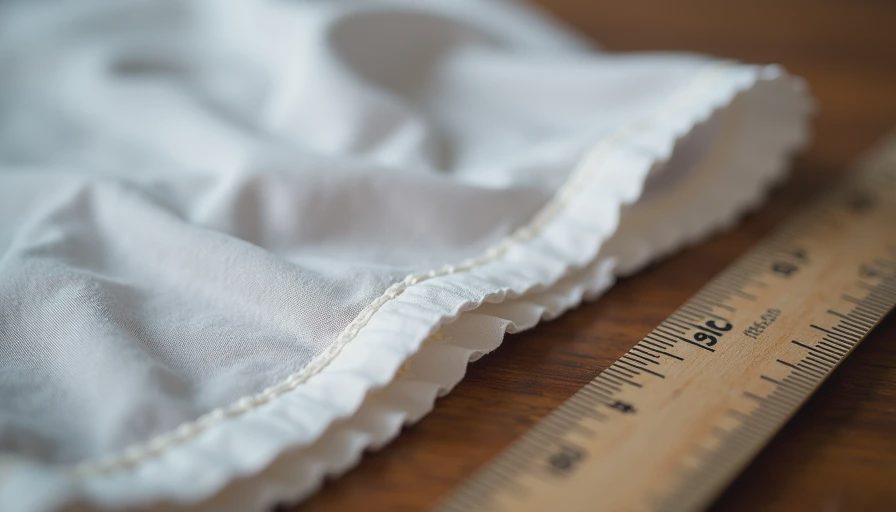
When I say “seam finish,” I’m talking about how the raw edges of fabric are treated after they’re sewn together. This is what stops fraying, adds strength, and determines how the garment holds up after washing and wearing.
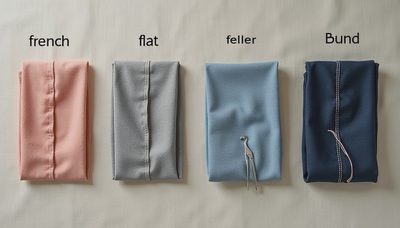
High-quality finishes include:
French seams (fully enclosed, beautiful but time-consuming)
Flat-felled seams (super strong, often seen in denim)
Bound edges with bias tape
Cleanly turned and stitched hems
Cheap finishes? Serged edges that look like they were done in a hurry, pinked edges that barely hold, or worst of all — raw edges left to unravel over time.
The difference in cost per garment can be just a few dollars. But that difference shows up in your closet after a few months.
How Brands Cut Corners (And Why They Do It)
Mass-market brands are under enormous pressure to hit specific price points. Every penny counts. So they make choices that aren’t visible when the garment is hanging on the rack.
They use the cheapest possible seam finish that will survive the trip from factory to store. They choose thinner thread. They reduce seam allowance width so they can fit more pattern pieces onto expensive fabric rolls. They skip reinforcement in high-stress areas.
I’ve seen $80 blouses with serged seams so sloppy the threads were already pulling loose before the customer even tried it on. I’ve repaired $120 “premium” tops where the side seams were finished with a simple zigzag stitch that failed after three washes.
The outside looks polished. The inside tells the real story.
A Classic Example: The $80 Blouse Autopsy
Let me paint you a picture of a garment I worked on last month.
Pretty ivory blouse, delicate pintucks on the front, mother-of-pearl buttons. Looks like something that should last years. Flip it inside out and it’s a different story: narrow seam allowances, serged edges with loose threads already showing, and armhole seams that were barely reinforced.
The customer brought it in because the side seam had started splitting under the arm. Total repair time? About 40 minutes. But the real cost was her disappointment.
She told me, “I thought I was buying something nice.” I nodded. I’ve heard that line hundreds of times.
How to Spot Quality Seam Work in the Store
You don’t need x-ray vision. Just a quick habit:
Flip the garment inside out in the fitting room (yes, even if people stare).
Run your fingers along the seams. They should feel smooth and secure.
Look at the stitching. Even, straight, consistent.
Tug gently. Nothing should feel fragile.
Check stress points: underarms, shoulders, side seams.
If the inside looks rushed, the garment will probably look rushed after a few wears.
Pro tip: Better seam finishes often come with slightly higher prices, but not always. Some smaller brands put the money where it counts — on the inside.
The Long-Term Cost of Cheap Construction
Here’s the part brands don’t want you to calculate.
That $80 blouse with poor seams might last 8-10 wears before looking shabby. A well-made $120 blouse with proper construction might last 50+ wears and still look sharp. When you do the math per wear, the more expensive one often wins.
Plus, you waste less time shopping for replacements. You feel better in clothes that don’t fight you. Your closet looks more intentional.
I’m not against affordable fashion. I’m against paying decent money for clothes that fall apart quickly. There’s a difference.
Stories That Still Make Me Shake My Head
I once had a bride bring in matching bridesmaid dresses that cost $95 each. Inside? Everything was serged with cheap thread that was already shedding. We spent hours cleaning up those seams so the dresses would survive one wedding day.
Another client brought her entire work capsule wardrobe — all from the same “elevated basics” brand. Every single piece had the same cost-cutting seam treatment. We ended up redoing the major seams on her favorites. She now checks the inside first.
These experiences are why I get a little passionate about this topic.
What I Want You to Take With You
Next time you’re tempted by a cute top at a reasonable price, remember this: The inside tells the truth.
Spend 30 seconds examining the construction. It might save you money and frustration in the long run.
Look for brands that show pride in their seam work. Support the ones investing in proper finishes. And when something truly is well-made, take care of it — these pieces deserve to stick around.
Your clothes will thank you. Your wallet will thank you. And your future self who doesn’t have to keep replacing falling-apart blouses will definitely thank you.


No notes yet — write the first one.