The phrase brands of designers sounds as if it should lead you straight to a shopping list. It usually produces the opposite: a parade of expensive names, seasonal collections, and dresses photographed on bodies that do not resemble most of ours. After twelve years and more than 12,000 garments at an alterations table, I have learned that a label can tell you who designed a garment. It cannot tell you whether the shoulder seam sits correctly, whether the fabric will recover after a day of wear, or whether the hem was finished by someone who cared.
The inside tells the truth. Turn a garment inside out, and you can usually see whether the price paid for thoughtful construction or simply for a famous name.
What brands of designers actually tell you
Designer branding can communicate a point of view, a design history, or access to specialized fabrics and production. That information has value, but it is not the same as quality. A well-known label might produce a beautifully structured wool jacket and a flimsy polyester blouse in the same season. A smaller studio might make an exceptional coat without having the advertising budget to become a household name.
When considering brands of designers, separate the creative signature from the manufacturing choices. Look at where the garment was made, the fiber content, the lining, and the seams. A high price can reflect pattern development, skilled labor, limited production, store overhead, or marketing. Sometimes it reflects all of those things. Sometimes it mostly reflects the name on the tag.
I once altered a silk evening dress priced above $1,000 that had a raw seam allowance hidden beneath a narrow binding. It was not a disaster, but it was not the quiet luxury the price suggested either. By contrast, a less celebrated wool dress on the next rack had generous seam allowances and a stable lining. That second dress gave me room to adjust the waist and shoulder without fighting the pattern.
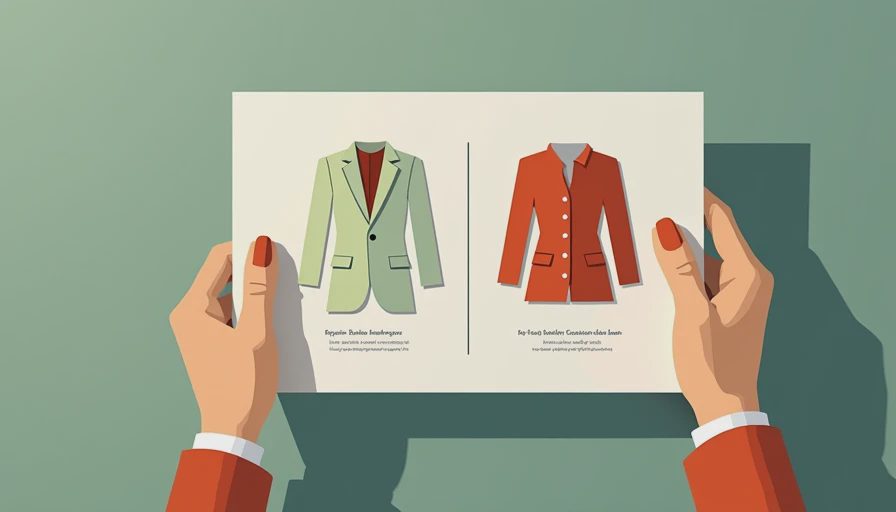
Turn the garment inside out before judging it
Start with the shoulder seams. They should lie flat without puckering, and the stitching should be even rather than wandering in short, nervous sections. Next, inspect the side seams. If the stripes or checks stop matching abruptly, the maker saved fabric or skipped careful cutting. That does not automatically make the garment unwearable, but it tells you where the money went.
Check the hem width, too. A very narrow hem on a fluid skirt can curl, while a wider, properly pressed hem gives the fabric weight and stability. On a jacket, look for a lining that moves independently instead of pulling the outer shell into little horizontal wrinkles. A sleeve lining should allow your arm to slide in without dragging the jacket upward.
These details matter more than a dramatic logo. They also affect alterations. A jacket with a half-inch of extra fabric in the side seams can often be shaped beautifully. A jacket cut right to the stitching line gives an alterations professional almost nothing to work with. Among brands of designers, the most useful names are the ones whose patterns respect the body and whose construction leaves room for adjustment.
Fabric is where the price becomes tangible
Read the care label before you fall for the color. A 100 percent natural fiber is not automatically superior. A loosely woven linen can distort quickly, while a linen-cotton blend may hold its shape better. A little elastane can make a wool trouser more comfortable, and a quality polyester lining can slide smoothly without the static and squeak found in cheaper versions.
For dresses, hold the fabric up to the light. Excessive transparency often means you will need a slip, lining, or careful undergarment choice. Scrunch a sleeve in your hand and release it. Linen will crease; that is part of its nature. A fabric that springs back slightly may be easier for a work wardrobe. Rub a hidden section gently between your fingers. If the surface immediately pills or feels brittle, the garment may look tired sooner than its price suggests.
Many brands of designers use excellent fabrics selectively, so examine the actual piece in front of you rather than relying on a reputation. A $280 blouse in crisp cotton poplin may earn more wear than a $900 novelty fabric that requires dry cleaning and only works with one particular skirt.

Fit is not the same as size
A garment can be the correct numerical size and still fit badly. Watch for drag lines. Horizontal pulls across the bust often mean the garment needs more room or a different dart position. Diagonal pulls from the hip can indicate that the skirt is too narrow or that the pocket opening is distorting the front. A collar that stands away from the neck may need a pattern adjustment, not a smaller size.
Pay attention to proportion. A cropped jacket may be beautifully made but hit at the widest point of your torso. A midi skirt may have a flattering shape but place its hem where it interrupts the leg awkwardly. Those are styling and pattern questions, not personal failures. The body is not supposed to apologize for a ready-to-wear block drafted from limited measurements.
The best brands of designers give a garment a clear line before you alter it. If the shoulder, bust, and hip are close, a tailor can often refine the waist or shorten a sleeve for $30 to $100, depending on the garment. If the armhole is too low or the shoulder is dramatically wrong, the alteration can become expensive enough to change the purchase decision.
Comparing labels without getting dazzled
When you compare brands of designers, create a simple mental scorecard. First, ask whether you would wear the piece at least twenty times. Then examine construction, fabric behavior, fit, and care demands. Finally, consider the alteration budget. A $450 dress that needs a $75 hem and will serve for years can be better value than a $180 dress that twists, pills, and sits unworn in the closet.
Look at brands such as Max Mara, Akris, Studio Nicholson, Margaret Howell, or smaller regional labels with the same practical eye. They are not interchangeable, and their pricing reflects different materials, markets, and design approaches. The point is not to crown one winner. The point is to notice whether the garment earns your attention when the label is covered.
Vintage shopping makes this lesson especially clear. I have found older coats with hand-finished buttonholes and substantial interlinings for less than the price of a current synthetic blazer. I have also found vintage pieces with brittle fabric and tired elastic. Age is not proof of quality, any more than a current logo is proof of poor quality. The stitches still have the final say.
Build a wardrobe around evidence
Use designer names as clues, not commands. Keep notes about the pieces that fit well: shoulder width, skirt length, preferred rise, sleeve circumference, and fabrics that survive your schedule. Take those observations into stores and resale appointments. If a certain label consistently gives you a good shoulder but a long sleeve, that is useful information. If another offers attractive fabrics but narrow hips, know that before you spend.
A thoughtful wardrobe does not require the most famous brands of designers. It requires garments that cooperate with your body, your laundry habits, and the life you actually lead. Spend more on construction when the piece is a coat, trouser, jacket, or daily dress. Spend less when the item is experimental or likely to be worn only occasionally. Leave room in the budget for a professional hem, button adjustment, or sleeve alteration.
The next time a label tries to make the buying decision for you, turn the garment inside out. Count the stitches. Feel the fabric. Study the darts and seam allowances. Then put it on and move naturally. Brands of designers can point you toward interesting work, but your hands, eyes, and lived experience are better judges than a name stitched into a neckline.



No notes yet — write the first one.