If you want to know how to wash viscose fabric, start by treating it like a delicate garment rather than an ordinary T-shirt. Viscose, also called rayon, is soft, breathable, and beautifully fluid when it is dry. Wet, however, the fibers become weaker and more vulnerable to stretching, twisting, and surface damage. I have seen a lovely viscose blouse come out of a washer two sizes wider and several inches longer. The care label was not being dramatic. It was giving you the construction notes.
Why viscose needs gentler handling
Viscose is made from regenerated cellulose, usually derived from wood pulp. That origin gives it a pleasant, cool hand, but it does not behave exactly like cotton or linen. When saturated, viscose fibers absorb water and lose some of their strength. Agitation then pulls at the fabric while the garment is heavy with moisture. That is how a neatly balanced side seam becomes a wandering line and a shoulder seam drops toward the elbow.
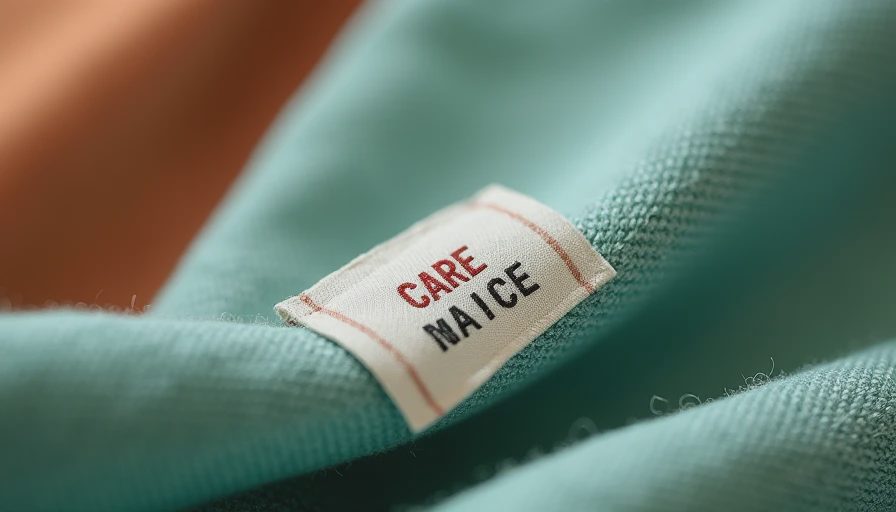
Turn the garment inside out before washing and examine it briefly. Look at the seams, darts, hem, and any decorative stitching. A loosely woven skirt, bias-cut dress, or piece with delicate lining deserves more caution than a sturdy viscose jersey top. If the label says dry clean only, follow it. If it says hand wash or gentle machine wash, you have room to clean it at home, but not permission to treat it like a towel.
The first rule in how to wash viscose fabric is simple: use cool water and very little movement. Heat and friction are the two troublemakers.
How to wash viscose fabric by hand
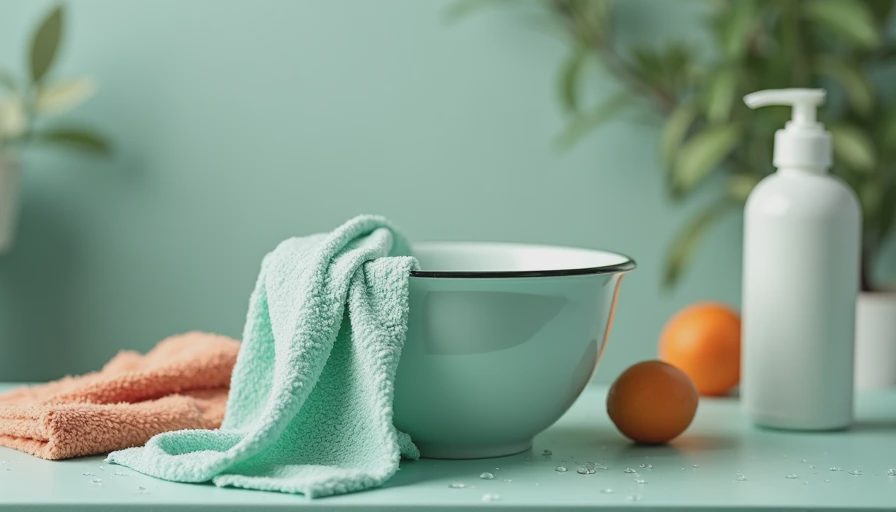
Hand washing is usually the safest choice for a fluid blouse, wide-leg pant, slip dress, or draped skirt. Fill a clean basin with cool water, then mix in a small amount of mild detergent. A detergent designed for delicates works well; avoid bleach, enzyme-heavy stain products, and anything marketed as a powerful degreaser. Those formulas can be unnecessarily harsh on a regenerated fiber.
Place the garment in the water and press it down gently until it is fully wet. Let it sit for about five to ten minutes. Do not scrub the underarms, rub the collar, or twist the body of the garment. Instead, press the soapy water through the fabric with flat hands. For a small mark, dab from the outside toward the center with diluted detergent. Rubbing creates a pale, fuzzy patch that no amount of ironing will truly repair.
Drain the basin and refill it with cool water. Press the garment gently to release detergent, then repeat until the water looks clear. Never lift a saturated viscose dress by its shoulders. Support the whole garment with both hands, because the wet weight can distort the neckline and armholes.
Machine washing without stretching the garment
Some viscose garments can go in a washing machine, but the settings matter. Place the item inside a mesh laundry bag, close zippers and hooks, and wash it with similarly lightweight clothing. Select the delicate, hand-wash, or gentle cycle with cold water. Keep the load small enough that the garment can move without being crushed against heavy denim or towels.
Use the lowest spin speed available, or skip the final spin if your machine allows it. A fast spin extracts water efficiently, but it also winds a soft garment tightly around the drum. That repeated torque is especially rough on a bias-cut dress. Do not add fabric softener. It can leave a coating that changes the fabric’s absorbency and makes the original drape feel limp rather than soft.
If you are uncertain whether a particular piece can handle the machine, test the care approach on a hidden inside seam only if the label permits washing. Better still, hand wash the first time. After one successful wash, you will know how that fabric responds.
Drying viscose is half the process
Knowing how to wash viscose fabric is only half the job. Drying is where many garments suffer their final distortion. Never wring viscose and never hang it dripping wet from a narrow hanger. Both methods pull downward on wet fibers and can leave permanent shoulder points, stretched armholes, or a longer-than-designed hem.
Lay a clean, dry towel on a flat surface. Place the garment on top, smooth the seams into their original positions, and roll the towel with the garment inside. Press along the roll to transfer moisture, then unroll it. Move the piece to a second dry towel or a mesh drying rack and reshape it by hand. Align the side seams, straighten the waistband, and check that both sleeve lengths match.
Flat drying is the safest option for most viscose clothing. Keep it away from direct sunlight and radiators, since concentrated heat can cause uneven shrinkage or fading. A garment may take several hours to dry. That is less inconvenient than paying for an alteration to repair a warped hem.
Removing wrinkles without scorching viscose
Viscose wrinkles easily, but high heat is not the answer. Once the garment is nearly dry, use a cool or low iron setting and place a pressing cloth between the iron and the fabric. Press rather than drag the iron across the surface. Pulling while the cloth is warm can lengthen a seam or sharpen a crease in the wrong place.
A garment steamer can work well, provided you keep it moving and support the fabric rather than tugging on it. Hang the piece on a wide, shaped hanger only after it is mostly dry. For a dress with a heavy skirt, use a padded hanger or dry it flat until the weight has disappeared. The goal is to restore the original shape, not stretch the garment into a new one.
If the fabric develops a shiny area, stop pressing. That shine is usually flattened fiber or finish, and additional heat will make it more obvious. Sometimes gentle steaming revives the surface; sometimes the change is permanent.
Stains, shrinkage, and common mistakes
For fresh spills, blot with a clean cloth instead of rubbing. Oil-based marks are more complicated, and aggressive home treatments can create a larger ring than the original stain. A professional cleaner is the sensible choice for an expensive viscose suit, lined dress, or garment with color that might bleed.
If the garment has already shrunk, do not yank it wet and hope for a miracle. Rewet it in cool water, press out moisture with a towel, and gently ease the seams and hem back toward their original measurements while it dries flat. This can improve mild distortion, but it cannot reliably reverse severe shrinkage. If the lining and outer fabric now differ in length, an alterations professional can sometimes rebalance the hem.
The most common mistakes are hot water, a hot dryer, high-speed spinning, wringing, and hanging wet viscose. I have corrected stretched necklines caused by every one of them. The inside tells the truth: when seams are rippled and hems no longer line up, the fabric has been handled too roughly.
A simple care routine that works
Before washing, read the label and turn the garment inside out. Use cool water, mild detergent, and minimal agitation. Rinse thoroughly, support the garment with both hands, and remove moisture with a towel. Dry it flat while smoothing the seams, then use low heat or gentle steam for wrinkles.
Wash viscose only when it needs washing. Airing a blouse after a short indoor wear, spot-cleaning a small mark, and wearing a lightweight camisole underneath can reduce full washes. Fewer wash cycles mean less friction, less color loss, and a longer life for the garment’s shape.
The best answer to how to wash viscose fabric is not complicated equipment. It is restraint. Cool water, gentle pressure, careful reshaping, and patience will preserve the soft drape you bought in the first place. Treat the fabric according to what its fibers can actually tolerate, and that blouse or dress will keep looking intentional instead of oddly stretched and apologetic.




No notes yet — write the first one.