If you have ever slipped on a blouse that feels cool, soft, and almost liquid against your skin, you may have wondered what kind of fabric is viscose. The short answer is that viscose is a semi-synthetic fiber made from regenerated cellulose, usually sourced from wood pulp. It begins as plant material, but chemical processing turns it into a smooth, usable textile fiber. That makes viscose different from both cotton and polyester, and the difference matters when you are choosing clothes that need to fit, drape, and survive an actual laundry routine.
After twelve years and more than 12,000 garments at the alterations table, I have learned not to judge fabric by the fiber name alone. A viscose dress can be graceful and comfortable, or it can twist, shrink, and look tired after three washes. The inside tells the truth: the weave, seam finish, lining, and cutting quality usually reveal whether the garment is worth your money.
What Kind of Fabric Is Viscose, Exactly?
Viscose is made by dissolving cellulose from plant matter and forcing the solution through tiny openings to create long filaments. Those filaments are treated, dried, and spun into yarn. The result is a manufactured fiber with a natural raw material, which is why viscose is often described as semi-synthetic or regenerated cellulose.
You may also see related names on a label. Rayon is the broader category, while viscose is one common type of rayon. Modal and lyocell are other regenerated cellulose fibers, though they use different manufacturing processes and often behave differently in a garment. Retail descriptions sometimes use these terms loosely, so the fiber content label is more useful than the marketing language.
Viscose does not have the crisp firmness of linen or the springy recovery of elastane. It is known for softness, fluid drape, and good color absorption. That makes it popular for blouses, skirts, wide-leg pants, dresses, and lightweight linings. It can look expensive when it is cut well, because it follows the body instead of standing away from it.
How Viscose Feels and Hangs on the Body
The easiest way to understand what kind of fabric is viscose is to handle a garment rather than stare at a product photograph. Lift a viscose blouse by the shoulder seam. The body should fall in a clean vertical line, with a little movement when you shake it. It often feels cool to the touch and has a soft, smooth surface, although some versions have a crepe texture or a faint brushed finish.
That fluidity is its great strength and its greatest nuisance. Viscose can skim over the bust and hips without adding bulk, but it can also cling to a slip, tights, or damp skin. A skirt with a narrow hem may swing beautifully on the hanger and then catch around your knees while walking. A dress with too little ease can show every pull across the back because the fabric has very little structural forgiveness.
At the alterations table, I look first at the grainline. If the center front hangs straight and the side seams point toward the floor, the garment has a fighting chance. If the side seam spirals toward the front or back, no amount of steaming will make the fit look settled. Viscose exposes poor cutting quickly because its soft drape follows the mistake.
Is Viscose Breathable and Comfortable?
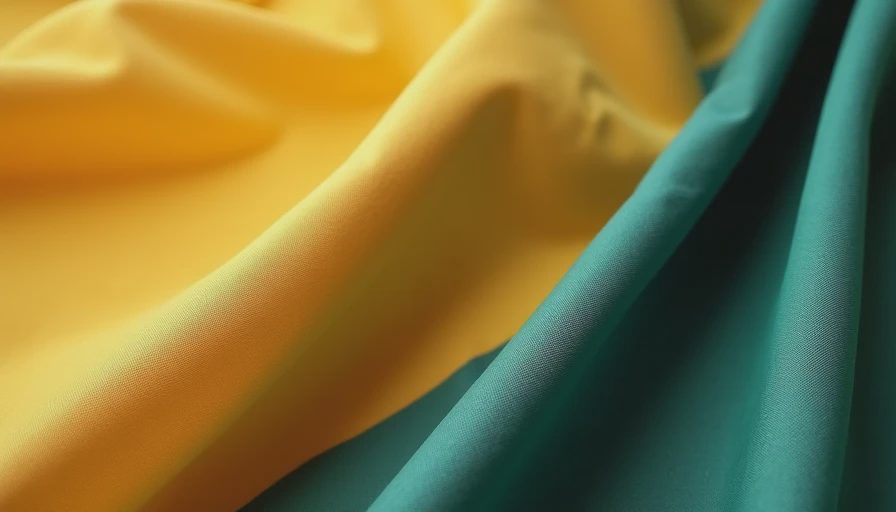
Viscose is generally comfortable in warm weather because it feels cool and can absorb moisture. It is not automatically a superior summer fabric, however. A densely woven viscose twill can feel warmer than a loose cotton voile, and a polyester lining can defeat the comfort of an otherwise breathable outer layer.
For a hot-weather dress, check the full fiber content and construction. A 100 percent viscose shell with a polyester lining may feel fine while standing still but less pleasant during a humid commute. A viscose and linen blend may have more texture and wrinkle, but it can feel airier. A small percentage of elastane can improve movement in fitted trousers, though too much stretch may cause the knees to bag.
Viscose also absorbs color beautifully, which explains the rich jewel tones and deep black shades you often see in this fiber. Look closely at areas that receive friction, such as under the arms, beside a handbag, or against a seat belt. Those locations will tell you more about long-term wear than the first impression in a fitting room.
Washing, Shrinkage, and Everyday Care
If you are asking what kind of fabric is viscose because you want to know whether it is practical, care instructions are the deciding factor. Viscose fibers can weaken when wet, and some garments shrink or lose their shape when washed aggressively. That does not mean every viscose item requires a museum display case. It means the care label is part of the purchase decision.
For a washable piece, use cold water, a gentle cycle, and a low-spin setting. A mesh bag can protect a thin blouse from snagging on zippers. Reshape the garment while damp and dry it flat or on a broad hanger according to the label. Do not twist it like a towel. Wet viscose can stretch at the shoulder, especially when a heavy dress is hung from a narrow hanger.
If the label says dry clean, take that instruction seriously for a structured jacket, lined dress, or garment with delicate trim. Test an inexpensive viscose top first if you plan to wash it at home. Measure its length before washing and again after drying. That simple comparison will tell you whether the fabric is stable enough for your habits.

How to Judge Viscose Quality Before Buying
Fiber content tells you what the material is, but construction tells you whether the garment is good. Turn the item inside out. Seams should lie flat without puckering. On a woven blouse, inspect the armhole for secure stitching and a clean finish. On pants, look at the crotch seam and pocket openings; those areas take stress and should not look thin or hurried.
Hold the fabric up to the light. A transparent dress may be intentionally sheer, but uneven thin spots suggest inconsistent weaving. Rub a small area gently between your fingers. Excessive fuzzing before the garment has been worn is not a charming vintage detail; it is a warning about surface durability. Check hems too. A narrow, even hem is acceptable on fluid fabric, but loose threads and skipped stitches are not.
Pay attention to pattern placement. Stripes should meet reasonably at side seams, and a print should not look accidentally chopped across the bust. Matching every design is not always possible, particularly at a low price, but careless cutting is visible. I have seen a $40 viscose skirt with better grain control than a $180 one. The label did not save the expensive garment. The cut did.
Should You Buy Viscose Clothing?
Now that you know what kind of fabric is viscose, the useful question is whether it suits the particular garment and your life. Choose it when you want soft drape, rich color, and a fluid silhouette. It is especially effective in a blouse that needs movement or a skirt that should fall rather than stand stiffly.
Be more cautious with fitted pants, tailored jackets, and pieces you need to wash after every wear. In those categories, a viscose blend with polyester, nylon, linen, cotton, or elastane may offer better stability. The right blend depends on the job: elastane helps stretch, nylon can improve strength, and linen can add breathability and texture.
Before buying, check three things: how the garment hangs from the shoulder, whether the seams are straight, and whether you can realistically follow the care instructions. If all three pass, viscose can be a lovely, practical part of a wardrobe. If they do not, the soft hand will not rescue it. Fabric names are useful clues, not guarantees. Turn the garment inside out, look at the seams, and remember that the inside tells the truth.



No notes yet — write the first one.