If you have ever asked what fabric is rayon while standing in a fitting room, you are not alone. The label sounds vaguely synthetic, the blouse feels wonderfully soft, and the care instructions often read like a small legal contract. Rayon is neither a straightforward natural fiber like cotton nor a petroleum-based synthetic like polyester. It is a regenerated cellulose fiber, made by dissolving plant material and turning it into a new filament. That process gives rayon its famous fluid drape, cool hand, and ability to mimic silk without silk's price.
After twelve years and more than 12,000 garments at my alterations table, I have learned to judge rayon by more than the fiber name. The weave, weight, finishing, and seam construction decide whether a rayon dress feels elegant or behaves like a damp paper towel. The inside tells the truth.
What fabric is rayon made from?
Rayon begins with cellulose, usually from wood pulp or another plant source. Manufacturers process that cellulose into a solution, force it through tiny openings called spinnerets, and solidify the material into long fibers. Those fibers are spun into yarn and woven or knitted into fabric.
That is why rayon is often called a semi-synthetic or regenerated fiber. Its raw material comes from nature, but it does not remain in its original form the way cotton lint or flax does. Viscose is the most common type of rayon, while modal and lyocell are closely related regenerated cellulose fibers with different manufacturing methods and performance characteristics.
When someone asks what fabric is rayon, the useful answer is this: it is plant-based cellulose transformed into a textile fiber. It is not plastic, but it is not untouched plant fiber either. That distinction matters when you are judging breathability, durability, and care.
How rayon feels and hangs on the body
Rayon is popular because it solves a particular clothing problem beautifully: it moves. A rayon skirt can skim over the hips instead of standing away from them, and a rayon blouse can fall from the shoulder in a way that looks polished without looking stiff. It usually feels smooth, cool, and soft against the skin.
The best rayon has a graceful weight. It swings when you walk, but it does not cling to every contour. A heavier twill or crepe rayon can make a handsome work dress, while a thin rayon challis is better suited to a loose blouse or gathered skirt. Rayon knits can feel almost liquid, though they need careful seam finishing because the edges may curl or stretch.
Here is the fitting-room test I use. Hold the garment by the shoulder seam and let the body hang. Look for a clean vertical fall rather than diagonal twisting. Then pinch a little fabric near the side seam. If it immediately collapses into deep wrinkles, expect a high-maintenance garment. If it has some recovery and a stable weave, it will usually be easier to wear.

Rayon versus cotton, polyester, and silk
The question of what fabric is rayon becomes easier when you compare it with familiar fibers. Cotton usually feels more stable and tolerates washing better, but it can be crisp, bulky, or prone to shrinking. Rayon generally drapes more fluidly and feels cooler, although it often needs gentler care.
Polyester resists wrinkles and holds its shape well, which makes it practical for travel. It can also feel warmer and less absorbent, especially in a tightly woven blouse. Rayon tends to feel more breathable and absorbent, but that absorbency is part of its weakness: water can temporarily reduce the fiber's strength and encourage stretching.
Silk has a luxurious natural filament and a distinctive luster, but it can be expensive and delicate. Rayon was historically developed in part as an alternative to silk, and a good rayon can imitate silk's movement convincingly. It will not have exactly the same strength, surface, or longevity, but a well-made rayon garment can look far more expensive than its price suggests.
Blends are often the sensible middle ground. Rayon mixed with nylon, polyester, cotton, or spandex may wrinkle less, recover better, or survive regular wear more gracefully. Do not assume 100 percent means superior. Fabric behavior is a construction question, not a purity contest.
Is rayon durable enough for everyday clothes?
Rayon can last for years when the fabric is substantial and the garment is handled properly. The problem is that inexpensive rayon is sometimes woven too loosely or made too thin. I have opened side seams on rayon dresses where the stitching was perfectly adequate but the fabric had weakened around it. No seam allowance can rescue cloth that is already giving way.
Turn a rayon garment inside out before buying it. Look at the seam allowance. A finished edge, French seam, or overlocked seam is reassuring. Check whether the fabric is pulling at the bust, underarm, or hip. Those stress points reveal poor fit faster than a mirror does. If the garment is already straining on the hanger, it will not become more cooperative after lunch.
Rayon is especially vulnerable to abrasion. A rough handbag strap, a sharp bracelet, or a chair with unfinished wood can create fuzzing or pulls. Lightweight rayon also shows perspiration and body oils more readily than a sturdy cotton twill. That does not make it a bad choice; it means the garment deserves rotation rather than being worn three days in a row.
How to wash and store rayon
Care labels win here. Some rayon garments can be machine washed on a delicate cycle, but hand washing in cool water is safer for an unlined blouse or dress. Use a small amount of mild detergent, avoid twisting, and press water out with a towel. Hanging a saturated rayon garment from a narrow hanger can stretch the shoulders and create those odd little points near the sleeve head.
Lay the piece flat or place it on a broad hanger only after it is no longer dripping. Avoid high dryer heat, which can shrink or distort the fabric. If the label permits ironing, use low to medium heat on the wrong side, preferably with a pressing cloth. Steam can relax wrinkles, but do not drag a hot iron across a damp rayon surface.
Store rayon clean and fully dry. Fold slippery pieces rather than allowing them to slide off a hanger, and give heavier dresses enough space that their shoulders are not crushed. If you are wondering what fabric is rayon because a favorite dress changed after washing, the likely culprits are heat, agitation, or hanging it while wet.
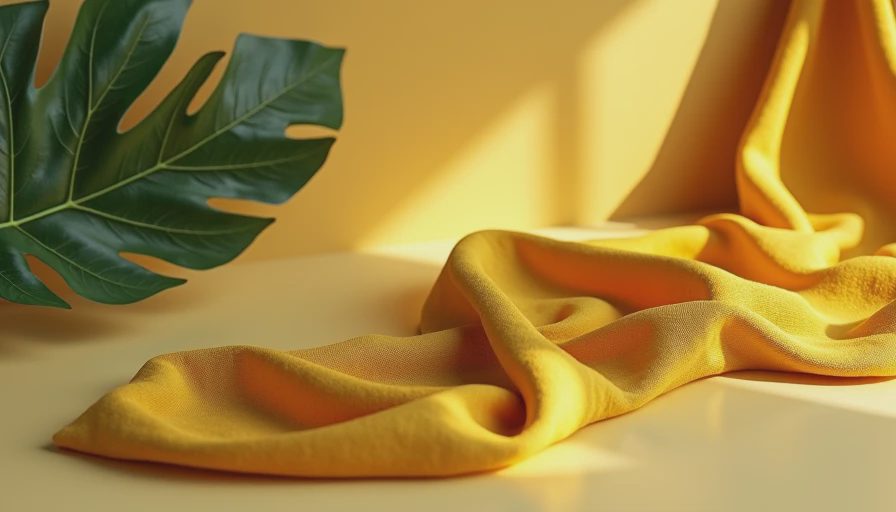
When rayon is a smart purchase
Rayon earns its place in a wardrobe when you want movement, softness, and a more polished drape than many casual cottons provide. It is excellent for wrap dresses, fluid trousers, blouses, bias-cut skirts, and lightweight layers. It is less convenient for a garment you expect to wash roughly every other day or pack without access to a steamer.
Before buying, check three things: the fabric weight, the care label, and the construction inside. A $45 rayon blouse with clean seams and a stable weave may serve you better than a $180 blouse with a beautiful label and unfinished edges. Look for even stitching, enough ease across the bust, and a hem that hangs level. If the hem swings higher on one side, the garment may have been cut off-grain or distorted during finishing.
So, what fabric is rayon in practical wardrobe terms? It is a beautiful, somewhat demanding cellulose fabric that rewards sensible care. Choose it for its drape, inspect it for construction, and wash it as though the fibers have feelings. They do not, technically, but they certainly remember abuse.


No notes yet — write the first one.