The Most Misunderstood Fiber
“I don’t wear polyester,” she said with the confidence of someone who had read one too many fast fashion exposés. Then she walked out wearing a perfectly comfortable, wrinkle-resistant performance jacket that was mostly polyester.
Polyester gets a bad rap. And honestly, some of it deserves the reputation. But not all of it. Today we’re exploring the full spectrum — from the stuff that feels like plastic garbage bags to the versions that might be the smartest choice in your closet.
I’m Paige Sullivan, recovering from years of seeing every possible fabric disaster in bridal alterations, here to give you the nuanced truth about polyester.
The Three Swatches I Keep in My Studio
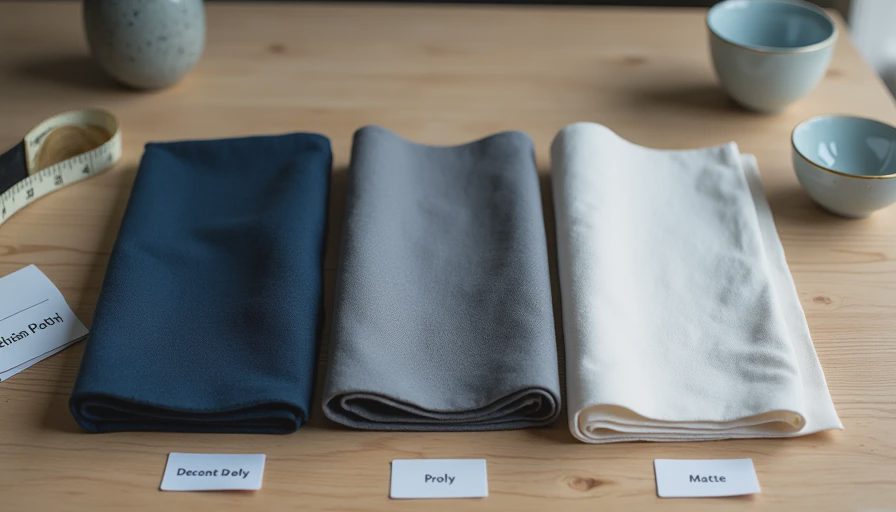
I keep three polyester examples handy for clients who swear they hate “poly.” Side by side, they tell the whole story.
Swatch #1: The Bad One
Cheap, low-quality polyester. It feels slick and slightly sticky. Traps heat like a sauna. Develops static and pills after a few wears. This is what most people picture when they hear the word. It’s the stuff that gives polyester its terrible reputation. Avoid.
Swatch #2: The Middle Ground
A decent polyester blend. Softer hand feel. Better drape. Still synthetic but with some thought put into the construction. Works fine for casual pieces but may not be your forever favorite.
Swatch #3: The Good Stuff
High-quality performance polyester. Technical fibers engineered for breathability, moisture-wicking, and durability. Feels surprisingly natural. Moves with you. Washes beautifully and looks sharp for years. This is the polyester that deserves respect.
The differences are dramatic when you feel them in person.
Why Polyester Exists (And Sometimes Wins)
Polyester was created to solve real problems that natural fibers sometimes struggle with:
Wrinkle resistance for travelers and busy professionals
Durability in high-wear areas like kids’ clothes or work uniforms
Moisture management for active wear
Shape retention (goodbye, saggy knees)
Cost-effectiveness for accessible fashion
When used thoughtfully, it can outperform natural fibers in specific scenarios. A well-engineered polyester blouse can look crisp after a long day at work while a 100% cotton version looks like you slept in it.
Real-World Applications
I’ve seen polyester shine in:
Travel wardrobes (wrinkle-free packing is magic)
Professional environments where you need to look polished all day
Active lifestyles (sweat-wicking without feeling gross)
Kid’s clothing (survives playground battles)
Mixed with natural fibers for the best of both worlds
One client who travels constantly for work switched her blouses to high-quality polyester blends. She went from ironing every morning to simply unpacking and looking put-together. Game changer.
How to Spot Quality Polyester
Look for these clues:
Soft, matte finish rather than shiny plastic look
Good drape without stiffness
Moisture-wicking claims backed by actual performance
Blends with natural fibers (often 60-70% poly with cotton or wool)
Reputable brands that explain their technical fabrics
Run your fingers across it. Does it feel pleasant or vaguely uncomfortable? Trust that instinct.
When to Choose Polyester Over Natural Fibers
Choose quality polyester when you need:
Wrinkle resistance
Easy care
Durability under stress
Moisture management
Budget-friendly longevity
Stick with natural fibers when you want:
Maximum breathability in hot weather
That certain luxurious feel
Traditional tailoring aesthetics
The smartest wardrobes mix both strategically.
Lessons From the Alterations Table
I’ve repaired countless polyester garments. The cheap ones often have poor seam finishes that compound the fabric’s weaknesses. The good ones hold up beautifully even with heavy use.
The difference isn’t just the fiber — it’s how it’s constructed. Which brings us back to the core message of this blog: the inside matters.
Emma’s Take on Polyester
My daughter took one look at Swatch #1 and declared it “sweaty plastic.” Swatch #3 got approved as “soft like my favorite blanket but stronger.” Kids have excellent instincts about what feels good on their bodies. We should listen to our own more often.
Finding Your Place on the Spectrum
Not all polyester is evil. Some of it is actually brilliant when used appropriately. The key is learning to tell the difference instead of painting the entire category with the same brush.
Next time you see a “poly” label, don’t automatically put it back. Feel it. Check the construction. Ask yourself what you actually need from that garment.
The inside tells the truth — and sometimes that truth is that a thoughtfully engineered synthetic is exactly what your wardrobe needs.
Your move, smart shopper.




No notes yet — write the first one.