The Day I Brought Home History
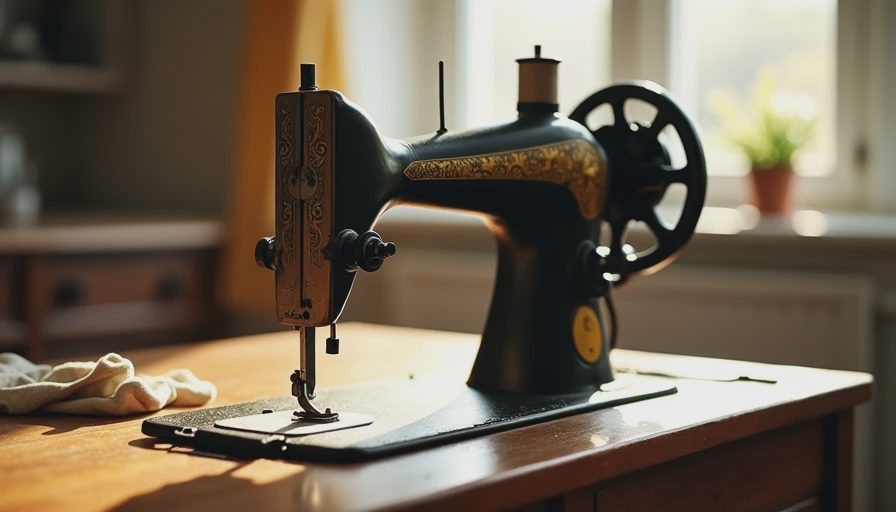
Last weekend I did what I always do at estate sales — I headed straight for the sewing corner. Tucked in the back of a quiet basement was a beautiful black Singer from the 1940s. The owner’s daughter said her mother had used it until her final years.
I brought it home, cleaned it gently, oiled the moving parts, and plugged it in.
It purred.
I’m Paige Sullivan, and this is the story of my newest vintage sewing machine and what it reminds me about value in a disposable world.
The Sound of Quality
There’s something magical about the smooth, quiet hum of a well-maintained vintage Singer. Modern machines are faster and have more features, but there’s a soulfulness to these old machines that’s hard to describe.
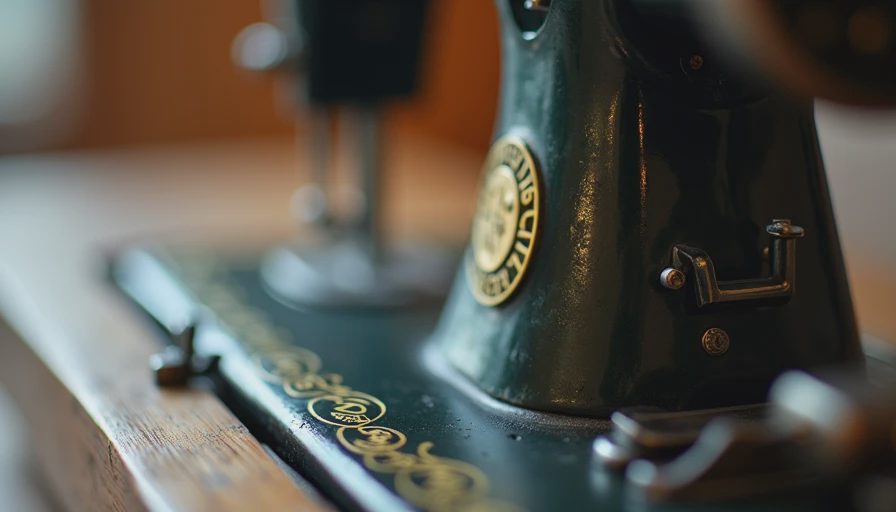
This particular model has beautiful gold detailing, solid metal construction, and a simplicity that feels luxurious in its own way. It doesn’t have a thousand stitch options. It just does what it was built to do — and it does it exceptionally well, even after eighty years.
What Pre-War Craftsmanship Teaches Us
Holding this machine makes me think about the difference between “good enough” and “built to last.”
The manufacturers of that era put care into details we rarely see today:
Heavy cast iron frames
Precision-machined parts
Thoughtful design meant for decades of use
They weren’t cutting corners to hit price points. They were building tools meant to become family heirlooms.
Lessons for Modern Clothing
This vintage Singer reinforces everything I believe about garments:
Well-made things last longer and feel better
Quality construction is worth seeking out
Sometimes simpler is better
Investing in fewer, better pieces beats buying disposable ones
When I use this machine to repair a client’s favorite blazer or hem Emma’s school pants, I feel connected to a tradition of careful work.
The Joy of Restoration
There’s deep satisfaction in bringing old tools back to life. I spent an evening cleaning decades of dust, replacing a belt, and tuning the tension. Now it runs as smoothly as the day it was made.
Linen, our curious Siamese, has claimed the top of the machine as her new favorite perch. She seems to approve of its solid, steady presence.
James and Emma’s Reactions
James just smiled when I brought it home. He knows my weakness for old sewing machines. “Another one?” he asked with mock exasperation, but I saw him run his hand appreciatively over the smooth black surface.
Emma was fascinated. She wanted to know how old it was and why it still worked when newer things break so fast. Good question, kiddo.
The Value of Well-Made Things
In a world full of planned obsolescence, this Singer stands as proof that things can be made to endure. It challenges us to expect more from our clothes, our tools, and our purchases in general.
Not everything needs to last eighty years. But more things should be made with the intention that they could.
A Quiet Philosophy
I quilt on this machine. I mend family clothes. I occasionally work on small client projects. Each stitch connects me to the long line of women who made things carefully before me.
The inside tells the truth — whether we’re talking about garments or the tools we use to create and repair them.
This old Singer reminds me daily that quality matters. That patience and care create things of lasting value. That sometimes the best purchases are the ones that come with stories.
I’ll keep hunting estate sales and flea markets. I’ll keep maintaining these beautiful old machines. And I’ll keep sharing what they teach me about choosing better in all areas of life.
If you ever find yourself at an estate sale and hear a quiet purr from the corner, you’ll know what to do.


No notes yet — write the first one.