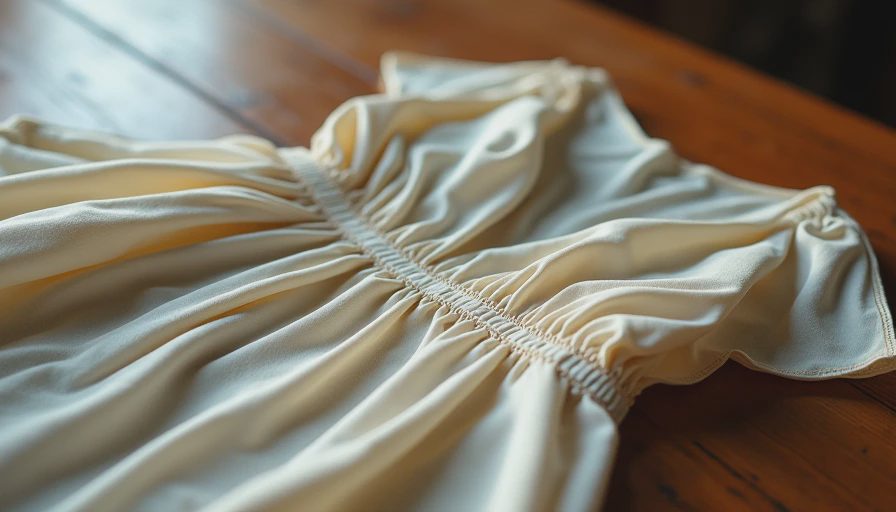
The Secret Hero You Never Notice
You slip on a beautiful dress. It feels smooth, cool, and effortless against your skin. The magic you’re feeling? That’s probably the lining doing its quiet, essential work.
Most people never think about linings until something goes wrong. But after years of repairing garments, I can tell you that the lining often reveals more about quality than the outer fabric.
I’m Paige Sullivan, and today we’re celebrating the unsung hero of garment construction — the lining.
What a Good Lining Actually Does
A quality lining serves multiple crucial purposes:
Makes the garment easier to slide on and off
Protects the outer fabric from body oils and wear
Controls drape and prevents clinging
Adds structure and shape
Creates a polished finish on the inside
When the lining is right, you forget you’re wearing it. When it’s wrong, you feel every uncomfortable seam and wrinkle.
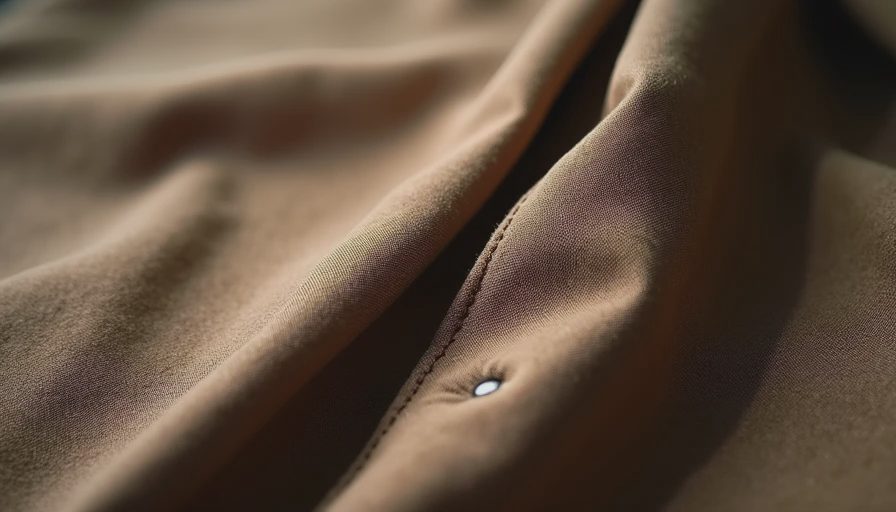
Common Lining Materials
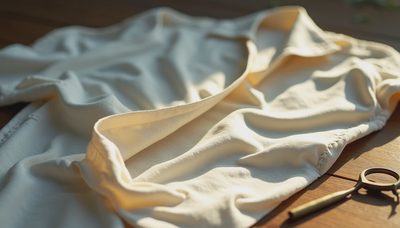
Silk or silk-like synthetics: Luxurious feel, excellent drape, but can be delicate.
Bemberg rayon: A favorite of mine — soft, breathable, and durable.
Polyester: Common and affordable, but quality varies wildly. Good performance versions exist.
Cotton: Breathable but can wrinkle and add bulk.
The best linings complement the outer fabric rather than fighting it. They move together as one.
Attachment Methods Matter
How the lining is attached tells you a lot:
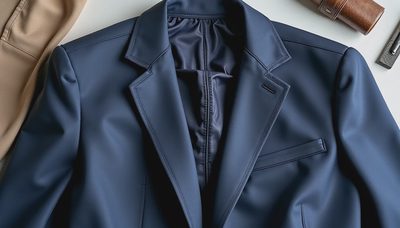
Fully bagged lining: Clean and professional — common in higher quality jackets.
Hand-finished hems: Shows care and allows for easier alterations.
Machine-stitched with proper finishing: Acceptable for many garments.
Sloppy or minimal attachment: Red flag. Expect shifting and discomfort.
I’ve seen expensive dresses where the lining was barely tacked in place. No wonder they felt cheap to wear.
Where Manufacturers Cut Corners
The lining is often the first place cost-cutting happens because customers don’t see it. I’ve encountered:
Cheap, scratchy polyester that pills and shifts
Linings that don’t match the outer fabric’s stretch
Inadequate seam allowances
Poor color matching that shows when the garment moves
One infamous bridal gown I worked on had four different lining fabrics — none of them appropriate for the outer material. The dress looked stunning until you wore it.
How to Judge Lining Quality
When shopping, do this quick check:
Feel the lining — it should feel pleasant against your skin.
Move in the garment — the lining shouldn’t pull or bunch.
Look inside — are seams finished neatly?
Check attachment points — especially at the hem and armholes.
A good lining elevates the entire garment. A bad one drags it down.
Real Stories From the Table
I once rebuilt the lining of a client’s favorite work dress. The original was cheap and clingy. The new Bemberg lining transformed it into something she described as “feeling like a hug.” Small change, huge difference in daily wear.
Another time, a beautiful coat suffered because its lining was too stiff. Replacing it with a softer, better-matched material made the coat a joy to wear.
The Philosophy of Hidden Quality
The inside tells the truth. And the lining is one of the most honest parts of any garment.
Brands that invest in good linings are telling you they care about how their clothes feel, not just how they photograph. Those are the brands worth supporting.
Emma’s Lining Lesson
My daughter now checks linings when we shop. She calls them “the secret soft part.” She’s learning young that what you can’t see still matters.
Make Better Choices
Next time you try on a dress or jacket, pay attention to the lining. Does it enhance the experience or detract from it? That single detail can tell you whether the piece is worth your investment.
Your skin will thank you. Your future self who wears the garment for years will thank you even more.
Here’s to celebrating the hidden heroes that make clothes feel as good as they look.
No notes yet — write the first one.