When you search for dress alterations near me, you are not really looking for someone who can simply make a hem shorter. You are looking for a person who understands how fabric hangs, where a seam should sit, and which changes will improve the garment without quietly ruining its shape. After 12 years and more than 12,000 garments at an alterations table, I can tell you this: the person holding the pins matters as much as the dress.
A dress can be expensive and still fit badly. It can also come from a secondhand shop for $25 and become one of the most useful pieces in your closet after the right adjustments. The inside tells the truth. Turn the garment inside out and you will see whether the seams, lining, darts, and closures are built to tolerate the work you are requesting.
Start with the alteration, not the search result
Before choosing among dress alterations near me, identify what feels wrong when you wear the dress. Is the shoulder seam sliding toward your upper arm? Does the waist gap while the bust fits? Is the skirt twisting around your legs? Does the hem look uneven because the dress is designed to hang lower on one side?
These are different jobs. A hem is usually straightforward, while reshaping a bodice can involve lining, boning, lace, zippers, and several layers of fabric. Taking in a side seam by half an inch is not the same as rebuilding a neckline. A capable seamstress will have you move, sit, raise your arms, and stand naturally before marking anything. If someone pins you rigidly in one pose and promises a perfect result, I would keep looking.
Bring the shoes and undergarments you plan to wear with the dress. A bra with thicker straps can change the neckline. Three-inch heels change the hemline. These details are not fussing; they are part of the measurement.
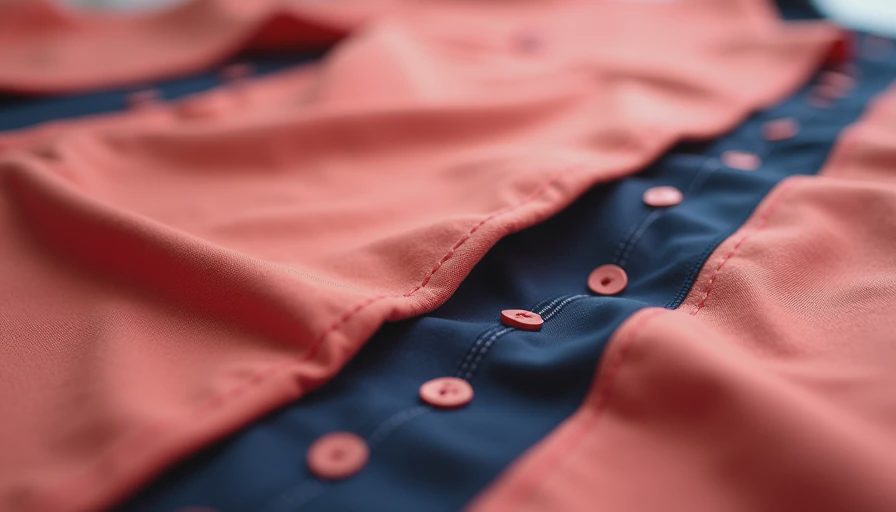
What a good fitting appointment looks like
A proper fitting for dress alterations near me should feel like a conversation with someone examining a small engineering problem. The seamstress should ask what you want the dress to do, not merely where you want it smaller. “Make it tighter” can mean remove looseness at the waist, support the bust, shorten the torso, or reduce excess fabric at the back. Those solutions are not interchangeable.
Watch how the professional uses pins. Pins should follow the existing construction whenever possible. If the garment has princess seams, those seams may offer a cleaner adjustment than pulling in the side seams. If there is a dart, moving or deepening it can improve shape, but too much intake can create a sharp point instead of a smooth curve. On a lined dress, the outer fabric and lining need to be altered separately so the lining does not tug when you walk.
Ask whether the quoted price includes a second fitting. A simple cotton sundress might cost about $25 to $60 for hemming, while a lined formal dress can run $75 to $200 or more for several changes. Beading, delicate lace, complicated sleeves, and invisible zipper work increase labor because each stitch may need to be removed by hand.
Learn to read the garment before paying
When comparing dress alterations near me, look for a studio that will inspect the dress before naming a firm price. The professional should check seam allowance, fabric condition, lining, zipper placement, and whether the desired change is structurally possible. A dress with generous seam allowance can often be adjusted cleanly. A garment with narrow serged seams may offer very little room.
Fabric makes a difference too. Polyester satin can show needle marks if stitches are removed carelessly. Silk charmeuse shifts under the presser foot and needs patient handling. Stretch jersey requires a stitch that can flex, while velvet has a direction that affects how the color appears. A specialist does not need to frighten you with fabric vocabulary, but she should explain the practical consequence.
I once opened a perfectly attractive cocktail dress and found that the lining was nearly two inches shorter than the outer skirt. The previous alteration had forced the fabric upward every time the wearer sat down. The solution was not simply “take it out.” The lining needed replacing, and the hem had to be reset so both layers could move together. That is why the cheapest quote is not always the cheapest finished garment.
How to compare local alteration shops
The best way to evaluate dress alterations near me is to look for evidence of careful work. Ask to see finished garments, close-up photographs, or the shop’s sample construction. You are looking for even stitching, smooth curves, aligned stripes, secure hooks, and hems that do not ripple. A professional who works with bridal gowns and formalwear may be especially comfortable with layers, though an everyday clothing specialist can be excellent for simpler dresses.
Read reviews for useful details rather than dramatic praise. Comments about punctuality, clear pricing, careful pinning, and successful work on lace or linings tell you more than “best ever.” Ask how far ahead the shop is booking, particularly before prom, wedding, holiday, or gala seasons. Rush work often costs an additional $25 to $100, and it puts unnecessary pressure on both you and the person sewing.
Bring the clean garment in a breathable bag. Do not arrive with it crushed in a hot car trunk or covered in pet hair. If the dress has stains, mention them before alterations begin. Some marks become more difficult to address after a hem or sleeve has been changed.
Questions that protect your budget
A short conversation can prevent an expensive surprise. Ask what the total estimate includes, whether pressing is included, when payment is due, and how many fittings are recommended. For a formal dress, ask whether the seamstress will preserve original hems, lace edges, or decorative trim. Original details often look better than a newly cut replacement edge.
It is also reasonable to ask what happens if the finished fit is not right. Reputable professionals usually want you to try the garment on before final pickup, especially when several alterations are involved. A minor adjustment after a fitting is different from discovering at home that the zipper no longer closes.
Do not bring a dress two sizes too small and expect magic. Alterations can refine proportions, but fabric cannot be invented where none exists. Letting out a seam may provide an inch or two if allowance is available; it cannot create a new bodice. A good specialist will say that plainly instead of accepting money for an impossible job.
Make the finished dress earn its place
Once you find reliable dress alterations near me, keep the relationship going. Save the professional’s name and note which adjustments worked. If a particular shoulder width, waist position, or hem length makes you comfortable, that information becomes useful on future garments. You will start shopping with construction in mind rather than trusting a size label.
At the final fitting, walk, sit, lift your arms, and look at the back in a mirror. Check that the lining stays inside the outer fabric, the zipper lies flat, and the hem hangs evenly with your intended shoes. For a fitted dress, take a few breaths. Clothing should follow your body without making every movement feel like a negotiation.
The right dress alterations near me can turn an almost-right purchase into a dependable favorite. Search locally, but judge the work with your eyes and hands. Look inside the garment, ask direct questions, and give the fitting enough time. The inside tells the truth, and when the inside has been handled well, the outside usually looks effortless.


No notes yet — write the first one.