A broken zipper does not automatically condemn a garment to the donation pile. In my alterations studio, I have repaired wedding gowns, winter coats, handbags, and everyday skirts that looked finished from the outside but needed one small piece replaced. The trick is knowing which zipper replacement parts have failed before you buy anything. A missing pull is a different repair from a damaged slider, and neither is solved by tugging harder.
I learned this by turning garments inside out for twelve years. The inside tells the truth. Look closely at the tape, teeth, stitching, and stop at the bottom, and the repair usually becomes much less mysterious.
Start by identifying the failed piece
A zipper has several working parts. The slider is the metal or plastic body that travels up and down the chain. The pull is the tab your fingers hold. The teeth, sometimes called elements, are the interlocking pieces along each side. The tape is the fabric strip sewn to the garment. At the top and bottom, stops keep the slider from escaping.
When a pull breaks, the slider may still work perfectly. A replacement pull can make the zipper usable again without removing a single stitch. When the slider separates the teeth behind it, the slider itself is often worn, bent, or the wrong size. If teeth are missing or the tape is torn, replacing a slider will not cure the problem. You need a new zipper or a carefully planned partial replacement.
Before ordering zipper replacement parts, photograph the zipper from the front and measure its width with the teeth closed. A common coil zipper might measure 3 or 5 millimeters, while a jacket zipper may be 8 or 10 millimeters. The number stamped on the back of a slider is useful, but it is not present on every zipper and can be difficult to read.

Coil, plastic, and metal teeth are not interchangeable
The zipper material tells you what kind of repair is realistic. Coil zippers have a continuous spiral made from nylon or polyester. They are common in dresses, skirts, purses, and lightweight jackets. Molded plastic zippers have individual plastic teeth and are often used in sportswear or rain jackets. Metal zippers use brass, aluminum, or another metal alloy and appear frequently on jeans, leather goods, and workwear.
A coil slider must run on a coil zipper. A metal slider is not a universal substitute simply because the width looks close. Its internal channel has to match the shape and thickness of the teeth. If it does not, the slider will catch, refuse to close the chain, or damage the tape the next time you pull it.
The most practical zipper replacement parts usually come in small repair kits. Look for the zipper type, size, and intended use rather than choosing a kit because it has the prettiest selection of colors. A black pull on a navy handbag is less noticeable than a poorly fitting slider that keeps splitting the opening.
Choosing a replacement slider
A replacement slider is the part most likely to save a garment. To select one, note whether the zipper opens at one end or separates completely in the middle. A skirt zipper generally has a closed bottom. A jacket zipper has a pin and box assembly at the bottom, allowing both sides to come apart. These systems use different construction, so a slider made for a closed-end dress zipper is not a sensible substitute for a separating jacket slider.
Measure the zipper teeth or coil while they are flat, then compare that measurement with the seller’s size guide. Also inspect the old slider’s shape. Some sliders have a narrow channel for fine coil zippers; others have a wider, heavier channel for denim or luggage. The pull shape affects handling, but the channel affects whether the repair works.
To install the slider on a closed zipper, a sewer usually removes the top stop, guides both sides into the slider, and tests the movement before adding a new stop. This is a small repair, but the stop matters. Without it, the slider can come off the first time the garment is pulled over your shoulders.
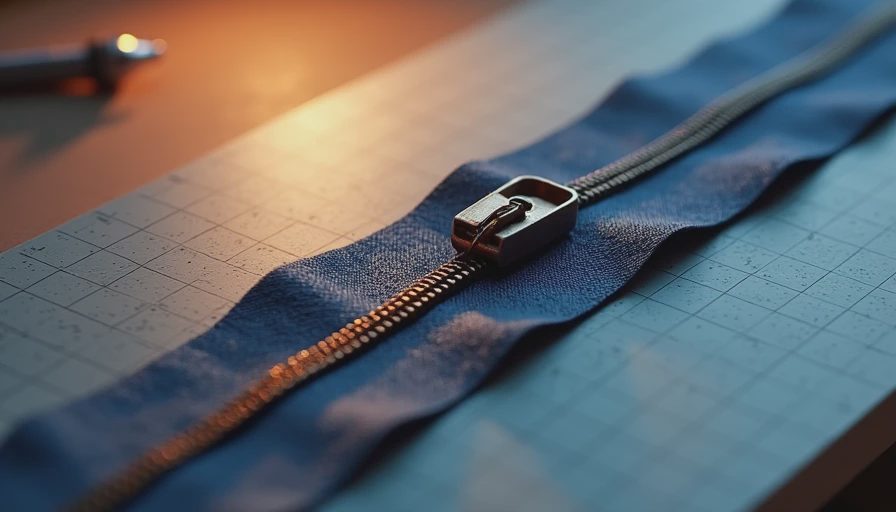
Pulls, stops, and small hardware
Sometimes the zipper closes properly but the pull has snapped away. That is the easiest problem to diagnose. Replacement pulls attach through the hole or loop on the slider, often with a small ring, hook, or threaded connector. Choose a pull with enough clearance for your fingers. A delicate ring may look elegant on a dress but feel ridiculous on a padded coat.
Top stops and bottom stops are tiny pieces with an important job. They crimp onto the zipper tape or teeth and prevent the slider from traveling too far. Repair kits often include several sizes, but do not clamp them aggressively with household pliers. Too much pressure can crush the teeth or cut through the tape. A tailor’s pliers or a narrow pair of smooth-jaw pliers gives better control.
For handbags and boots, consider the surrounding material before buying zipper replacement parts. Leather and coated canvas resist unpicking, and replacement stitching must pass through the original holes or a reinforced seam. A bright new slider can also look conspicuous against aged hardware. Matching the finish—antique brass, matte black, silver, or gold—makes a repair appear intentional.
When a new zipper is the better repair
A new slider cannot replace teeth that are missing, crooked, or pulling away from the tape. It also cannot restore fabric that has frayed through. On a favorite pair of jeans, a complete zipper replacement can cost roughly $20 to $45 at an alterations shop, depending on the fly construction and lining. A dress zipper may cost less, while a lined coat or leather bag takes more time.
There is a useful test: close the zipper slowly and watch the teeth behind the slider. If they meet neatly and then separate below the slider, try a correctly sized replacement slider. If the teeth never align, the tape buckles, or the slider repeatedly jams at one spot, stop forcing it. You are turning a manageable repair into a torn garment.
For fine silk, bridal satin, leather, and heavily lined clothing, professional repair is usually money well spent. I have seen a five-minute attempt with a craft knife create an hour of extra work because the owner nicked the fabric beside the zipper. The cheapest repair is not always the smallest purchase; it is the one that preserves the garment.
A sensible shopping and repair checklist
Before ordering, write down five details: zipper length, closed or separating style, material, visible width, and color or finish. Photograph the slider next to a ruler. If the zipper is attached to a coat, photograph the bottom pin and box as well. These details give a seller enough information to recommend compatible zipper replacement parts instead of sending a generic assortment.
When the package arrives, test the slider on the zipper before crimping stops or sewing anything. Move it several times without force. Check that both sides close evenly and that the pull clears the fabric. Keep the original hardware nearby until the replacement works; it can reveal the correct orientation if the installation becomes confusing.
A little patience also protects your clothes. Do not yank a zipper over a fold of lining, and do not spray random oil onto a fabric garment. For a stiff metal zipper, a plain beeswax-based zipper lubricant used sparingly is safer than a greasy household product. Clean lint from the teeth first.
Good repair begins with observation, not a larger toolbox. Turn the garment inside out, find the failed component, measure before purchasing, and match the replacement to the zipper’s construction. Once you understand what each piece does, zipper replacement parts stop looking like obscure notions from a sewing drawer and start looking like what they are: small, specific tools for keeping well-loved clothes in service.





No notes yet — write the first one.