When you search for fabric near me, you are usually trying to solve a very practical problem: you have a dress, skirt, jacket, or sewing project in mind, and you need to touch the material before committing to several yards. Sensible. Fabric photographs beautifully and lies shamelessly online. A bolt that looks like soft linen on a screen can feel like paper. A “substantial” knit may be thin enough to reveal every seam beneath it.
After twelve years and more than 12,000 garments altered, I have learned to inspect cloth the way I inspect a finished garment. I pinch it, stretch it, hold it toward light, and ask what it will do after six hours on an actual body. Here is how to make a fabric store visit useful instead of wandering through bolts until your eyes glaze over.
Start with the garment, not the prettiest bolt
Before looking for fabric near me, write down what you are making and how you want it to behave. A structured work dress needs different cloth from a loose summer blouse. A pencil skirt needs recovery and enough weight to avoid clinging at every curve. A lined jacket needs fabric that can support seams, a collar, and perhaps a pocket without collapsing.
Bring a reference garment if you have one. Turn it inside out and examine the seams, lining, hem, and areas that have worn first. If the original skirt bags at the knees, you need better recovery or a different fiber. If the blouse wrinkles into a permanent accordion at the waist, look for a fabric with more body or a pattern with less strain across the middle.
Yardage depends on width, pattern matching, nap, and garment size. A simple sleeveless top might use 1.5 to 2 yards, while a long-sleeved dress can require 3 to 4 yards or more. Buy extra for a directional print, plaid matching, shrinkage, or a first attempt at a complicated pattern. Saving $12 on fabric is not a bargain when one crooked cut ruins the project.
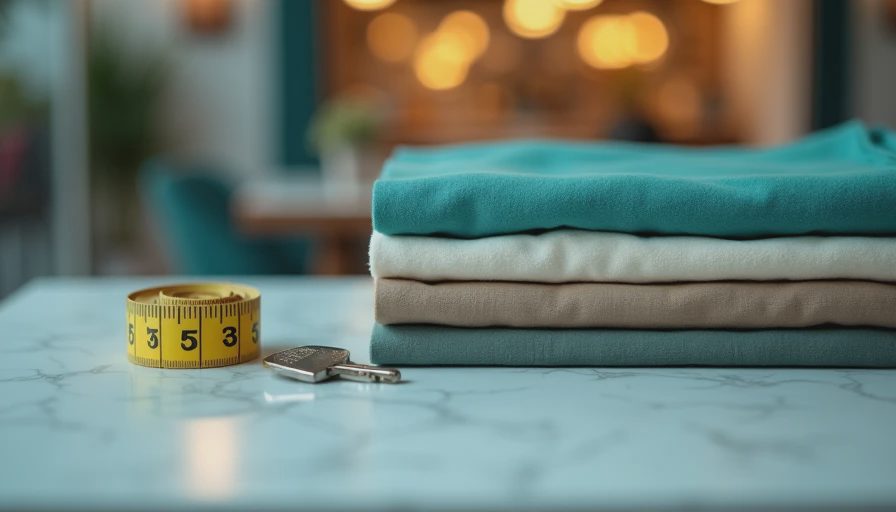
What to inspect in the store
A reliable fabric near me search should lead you to a place where the staff will let you handle the material, not merely admire it from a rack. Start by checking the fiber content and care instructions. Cotton, linen, wool, silk, rayon, polyester, nylon, and blends all have different strengths. “Natural” does not automatically mean durable, and “synthetic” does not automatically mean cheap. A rayon challis can drape beautifully; a polyester crepe can resist wrinkles and hold a clean line.
Use your hands. Scrunch a section, release it, and see whether the wrinkles relax or remain sharply embedded. Hold the fabric at eye level and look for uneven weaving, thin patches, skipped threads, or visible flaws. For knits, stretch across the width and watch whether the fabric returns to its original shape. If it stays distorted after one gentle pull, imagine what a waistband will look like after a day of sitting.
Check the grain by folding the cut edge to the selvage. If the layers refuse to line up, the fabric may be off grain. That is not always fatal, but it can make a skirt twist or a side seam crawl toward the front. A good store will provide a swatch or let you purchase a small sample. Take it home, wash it according to the label, and press it. The fabric after laundering is the fabric you are actually buying.
Match drape and weight to your body and pattern
Drape is simply the way cloth falls. Hold a yard of fabric from one corner and then from two corners. Does it pour downward in soft folds, stand away from your hand, or form stiff geometric shapes? None of those behaviors is inherently wrong. The mistake is pairing the wrong behavior with the garment.
A fluid fabric can skim the body, but it also shows every ripple in a fitted seam and may be difficult to cut. A crisp cotton can create a lovely sleeve or defined waist, yet it will not forgive a pattern designed for softness. Medium-weight ponte can make an excellent travel dress because it resists wrinkles and has recovery. Lightweight linen suits a relaxed shirt, while heavy linen may overwhelm a gathered neckline.
For fabric near me searches, bring the pattern envelope or note its recommended fabric types. If a pattern calls for “lightweight woven fabric,” that still leaves a large field of possibilities. Compare a cotton lawn, rayon challis, silk crepe, and thin polyester at the same time. They may all qualify, but they will produce four different garments. The pattern gives you the skeleton; fabric decides the posture.

Do not ignore color, print, and repeat
Color is the easy part because it catches your eye first. Print scale is more consequential. A large floral repeat can land awkwardly across a bust or hip, while a tiny print may look muddy from a distance. Place the bolt against your body in a mirror and step back. You are judging the overall impression, not whether you like one flower.
Ask how much fabric the repeat requires. A plaid or large stripe needs extra yardage for matching at side seams, center fronts, and pockets. A directional print may require every pattern piece to face the same way. That can add half a yard or more. If you are buying fabric near me for a first project, a small-scale print or solid color is kinder to your cutting errors and easier to fit.
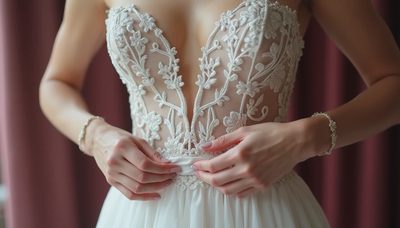
Also inspect the reverse side. Some fabrics have a dramatically different wrong side, which matters for cuffs, vents, unlined hems, and rolled sleeves. On a bridal gown, I have seen the inside tell the truth through cheap backing, uneven seam allowances, and a lining that fought the outer fabric. Everyday clothes deserve the same inspection, even if nobody sees the inside at dinner.
Calculate the real cost before cutting
The price per yard is only the beginning. Add lining, interfacing, thread, closures, elastic, buttons, and possible prewashing. A $14-per-yard fabric may become a $75 project once you add a $20 lining and specialty notions. That can still be excellent value if the finished garment fits and gets worn repeatedly.
When comparing fabric near me options, ask whether the bolt is a remnant, end-of-roll piece, or clearance item. Remnants can be perfect for a blouse, waistband, or children’s garment, but check for sun fading, creases, and cuts through the fold. Clearance fabric is not automatically defective, though you should inspect every yard before purchasing because returns are often limited.
Buy a little more than the pattern’s minimum when the fabric is expensive, slippery, napped, or difficult to replace. I would rather have an extra quarter yard than discover a flaw beside the only front bodice piece. Keep the receipt and attach a fiber-content note to the leftover fabric. Future-you will appreciate knowing that the navy cloth is wool blend rather than guessing six months later.
A calm shopping routine that works
A good fabric near me trip begins with measurements, a pattern, and a short list of acceptable fibers. Wear a simple outfit so you can hold the fabric against your skin and see its color near your face. Photograph the bolt label, including width and care instructions, before walking away. If the store allows it, take a swatch and write the bolt number on it.
At home, test the swatch for opacity, wrinkle recovery, shrinkage, and color transfer. Press it with the iron setting recommended by the care label. If it puckers, bleeds, or becomes unpleasant after washing, you have saved yourself a garment’s worth of frustration.
The best fabric is not necessarily the softest, most expensive, or most fashionable. It is the one whose fiber, weight, drape, and care requirements suit the garment and your real life. Search for fabric near me, then slow down when you arrive. Turn the bolt, read the label, and trust your hands. The inside tells the truth, and in sewing, the truth is usually visible before the first cut.


No notes yet — write the first one.