If you've ever ordered a blouse that fit in the shoulders but pulled across the chest, you already know why how to measure bust matters. I spent 12 years at a bridal alterations table, and the same problem showed up in $40 tops and $4,000 dresses: the chest was either squeezed flat or floating loose because nobody measured the body first. The inside tells the truth. A size label can be polite, but a tape measure is honest.
What people usually want is not a perfect number for its own sake. They want a shirt that buttons without a gap, a dress that skims instead of clamps, and a bra that does its job without turning into a wrestling match by lunchtime. That starts with the right bust measurement, taken the same way every time.
Why Bust Measurements Matter More Than Size Labels
Sizing is a moving target. One brand's medium can behave like another brand's large, and woven fabrics act very differently from knits. A bust measurement helps you compare your body to the garment instead of trusting a tag that was probably drafted in a room with no women in it. I have seen perfectly good jackets fail because the bust was off by an inch and a half, which is enough to make a front button strain or a princess seam twist.
The bust also affects more than the chest itself. It changes how shoulder seams sit, where darts land, how a wrap top closes, and whether a waistline settles in the right place. If you get this measurement right, the rest of the fit gets easier. If you get it wrong, you start blaming the brand when the real problem is the measuring tape.
What You Need Before You Start
You do not need a fancy fitting room setup. You need a soft tape measure, a mirror, and a bra situation that matches what you actually wear with the clothes you are buying. If you normally wear a smoothing bra under work blouses, measure in that. If you wear a bralette or no bra with knit tops, measure that way instead. Consistency matters more than perfection.
Stand naturally. Do not puff up your chest like a soldier in a parade, and do not hunch to look smaller. Feet should be flat, arms relaxed, and the tape should sit level across the back. If you can, do the measurement twice. The second pass catches the little errors that happen when you are trying to twist around in a bathroom mirror while judging yourself at the same time, which is a dreadful use of a Tuesday.
How to Measure Bust with a Soft Tape
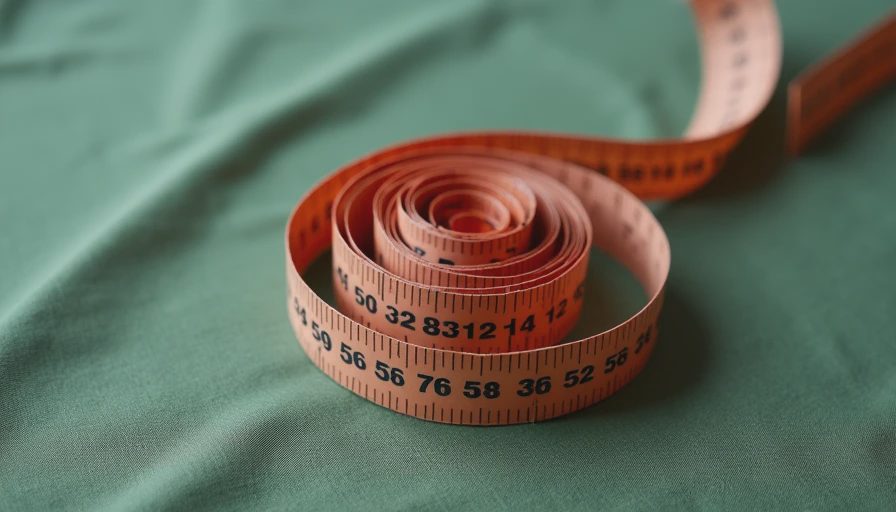
For how to measure bust, start at the fullest part of the chest. Wrap the tape around your body so it crosses the apex of the bust and stays parallel to the floor all the way around. It should touch the body without digging in. You want contact, not compression. If the tape sinks into the tissue, you have made yourself smaller on paper than you are in real life.
Breathe normally before you read the number. Do not hold your breath, because that changes the measurement just enough to matter in a fitted top or bodice. Read the tape where it overlaps in the front. If you get a half-inch between numbers, write it down. Half an inch can matter when a garment only has one inch of ease through the chest.
If you are comparing sizes for a woven shirt or dress, measure the full bust and the high bust. The high bust sits above the bust line, near the underarm area. That second number tells you a lot about whether your shoulders are narrow or broad and whether you need more room in the pattern chest without making the whole garment boxy. In fitting work, that is usually where the real answer lives.
Common Mistakes That Throw Off the Number
The most common mistake is pulling the tape too tight, usually because people want a smaller number. That is how you end up buying a button-front shirt that looks fine on the hanger and then refuses to close at the center front. The second mistake is measuring over the wrong bra. A heavily padded bra can add bulk; a very old bra can flatten the shape in odd places. Measure in the foundation garments you will wear with the item.
Another problem is tape angle. If the tape rides up in back, the number shrinks. If it drops in front, the number grows. Either way, the reading stops being useful. I also see people measure while twisting toward the mirror, which shifts the rib cage and gives a number that belongs to a pose, not a body. The body is what has to fit, not the pose.
When the Number Helps You Shop Better
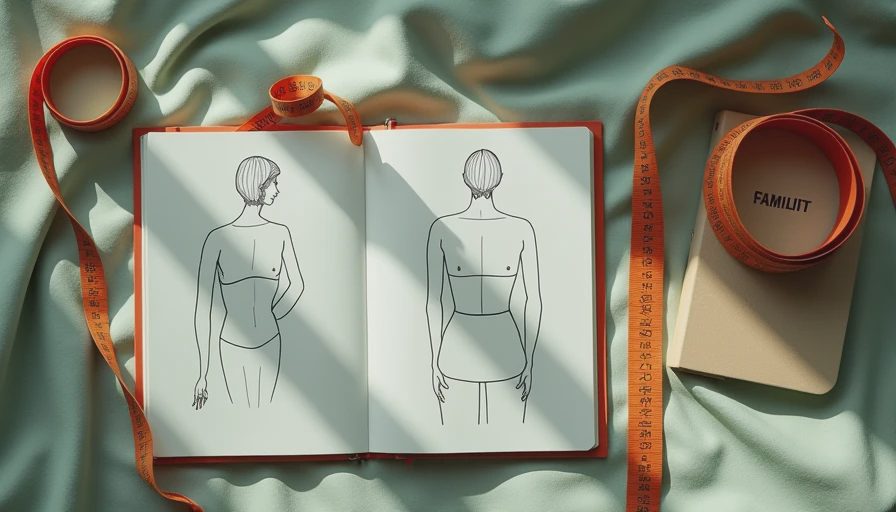
Once you have the number, use it as a filter, not a verdict. A woven blouse with little stretch usually needs more room than a knit tee, even when both are labeled the same size. If your bust measurement sits between two brand sizes, the safer choice for a woven fabric is often the larger size, because side seams can be taken in more easily than fabric can be invented.
This is also where garment construction starts to matter. A shirt with bust darts can be shaped more cleanly than one with no shaping at all. A princess seam can follow curves better than a plain front panel. If the product photo looks smooth but the fabric is stiff and the placket is narrow, the finished piece may not forgive much. That is not a moral failing. It is just fabric doing what fabric does.
When I fit clients for daywear, I look at the bust measurement, then I look at the shoulder line, then I look at where the waist wants to sit. That order saves money. It is better to buy the size that fits the chest and tailor the waist than to buy the smaller size and hope the chest will negotiate. It will not.
When How to Measure Bust Stops Solving the Problem
Sometimes the number is right and the garment is still wrong. That usually means the design was built for a different body shape, not a different size. A side seam can be let out if there is seam allowance. A strap can be shortened. A dart can be deepened. But if the garment has no extra fabric and the front is already straining, there is no elegant trick that makes it larger without changing the shape.
I once had a client bring in a silk blouse that fit beautifully everywhere except the chest. The bust measurement was not the issue; the pattern was cut too flat through the front. We could ease it a little, but not enough to make it comfortable for a full workday. She bought the next size up, had the waist taken in, and suddenly the blouse behaved like it had manners. That is the kind of fix that saves clothes and stops the cycle of buying the same wrong thing twice.
If you remember only one thing, remember this: how to measure bust is not about chasing a smaller number. It is about getting a truthful number so you can buy clothes that respect your shape. The inside tells the truth, and once you know what it is saying, shopping gets a lot less expensive.




No notes yet — write the first one.