Searching for a seamstress near me usually starts with a garment that almost works. The pants fit through the hips but puddle at the ankle. The blazer closes, yet the shoulders pull forward. The dress looks charming on the hanger and vaguely argumentative on your body. A skilled seamstress can often solve these problems without changing the character of the clothing.
After 12 years and more than 12,000 garments at an alterations table, I have learned that fit is rarely about the size printed on a tag. It is about where the seams sit, how much fabric is available, and whether the garment was built to be adjusted. The inside tells the truth.
What a good seamstress actually does
A seamstress does more than shorten a hem. She studies the garment on your body, identifies the source of the strain, and chooses an alteration that preserves the original shape. That can mean moving a shoulder seam, taking in a side seam, reshaping a dart, adjusting a waistband, or rebuilding a lining.
When you search for a seamstress near me, look for evidence of this kind of diagnosis. A professional should ask what feels wrong, not simply pin the place where extra fabric is visible. A blouse that gaps at the bust may need a small dart or a button adjustment. Pulling across the back may indicate limited ease, a narrow shoulder, or a sleeve that was inserted at the wrong angle. These are different problems with different prices.
Bring the shoes you plan to wear with trousers or a long dress. Wear a supportive bra with a fitted jacket or gown. Good pins cannot compensate for inaccurate information about your body or the way you will use the garment.
How to inspect a shop before booking
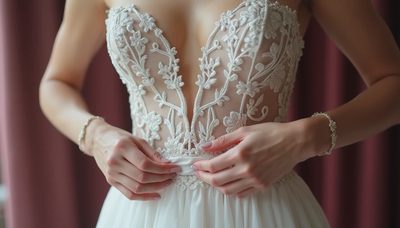
Before choosing a seamstress near me, call and ask which services she performs in-house. Questions about bridal alterations, leather, denim, formalwear, linings, and invisible hems quickly reveal the shop's real experience. Someone who excels at replacing a zipper may not be the right person to reshape a silk bodice, and that is not a criticism. Different machines, needles, and construction knowledge are involved.
Look at the work area if you visit. A pressing station matters because seams are not finished properly by pinning and stitching alone. Ask whether fittings are included, how many appointments a complicated dress requires, and whether the person taking your measurements will perform the sewing. A clear estimate should separate labor from materials such as lining, buttons, elastic, or specialty trim.
For ordinary garments, a hem may cost roughly $15 to $35, while a lined jacket, formal dress, or detailed waist adjustment can run from $75 to several hundred dollars. Prices rise when the garment has beading, boning, lace, a complicated lining, or very little seam allowance.

Turn the garment inside out
When I examine a new client’s dress, I turn it inside out before I touch the pins. I look at seam allowances first. A generous allowance gives a seamstress room to let out a garment; a narrow allowance limits the adjustment. I check whether the lining is attached cleanly, whether the zipper lies flat, and whether the fabric has been clipped around curves without creating little points.
This inspection also tells me whether an alteration will be visually quiet. A high-quality hem can preserve the original stitch pattern and weight. A rushed hem may leave a stiff ridge or an uneven swing. On a jacket, the sleeve pitch and shoulder padding matter more than simply removing an inch from the circumference. On trousers, the crease should remain aligned with the leg after the waist is changed.
If you are evaluating a seamstress near me listing online, photograph the care label and construction details before your appointment. Mention the fabric content, stains, repairs, and previous alterations. Rayon, silk, velvet, stretch denim, and sequined fabric each require different handling. Honesty at intake prevents unpleasant surprises later.
The alterations that improve everyday wardrobes
The most useful alteration is often a small one. A sleeve shortened to the wrist bone can make a blazer look intentional instead of borrowed. Raising a skirt hem by an inch or two can restore proportion without making it feel young or fussy. A modest waist adjustment can remove a hollow at the lower back while leaving the hip line alone.
For dresses, ask whether the neckline, bust, and waist are balanced before requesting a general size reduction. Taking a garment in everywhere can distort the armhole and shift the side seam toward the front. A seamstress near me who understands pattern balance will usually make fewer, more strategic changes.
Do not ignore repairs. Replacing a tired zipper, reinforcing a pocket corner, or securing a loose lining can add years to a well-made garment. I have seen clients prepare to donate a wool coat because one button was missing, even though the fabric and structure were excellent. Five minutes of inspection revealed an easy repair and a coat with plenty of life left.
Questions to ask about price and timing
A reliable seamstress near me should be able to explain what affects the quote. Ask whether the price includes a fitting, pressing, thread, and final inspection. For a simple hem, one appointment may be enough. Bridal gowns, lined coats, and major reshaping often need an initial fitting, a sewing appointment, and a final try-on.
Timing depends on the season and the work. A basic alteration may take several days, while wedding-season formalwear can require multiple weeks. Do not bring a gown two days before the event and expect careful reconstruction. Rush work is sometimes possible, but it costs more and leaves less room to correct a problem.
Take photos while wearing the garment during your fitting, especially if you cannot see the back. Notice whether the fabric hangs smoothly when you stand, sit, walk, and lift your arms. Clothing has to function, not merely survive one frozen pose in front of a mirror.
How to get the best result
Bring a clean garment with all accessories: belt, shoes, slip, bra, removable straps, or jacket layers. Explain where you will wear it and what movement you need. “Make it smaller” is less useful than “I need to sit comfortably for a three-hour ceremony” or “I want the sleeve to cover my wrist when my arms rest at my sides.”
At the final fitting, inspect hems, closures, lining, and pockets. The fabric should lie without unexpected ripples, and the original design lines should still make sense. If something feels wrong, say so before leaving. A good professional wants useful information, not polite silence.
The best seamstress near me is not necessarily the cheapest or the closest. She is the person who can explain the alteration, respect the fabric, and tell you when a repair is not worth the cost. Search locally, read reviews with attention to specific services, and ask to see examples of comparable work. Then bring one uncomplicated garment first. A well-fitted pair of pants will tell you more than a glossy storefront ever could.


No notes yet — write the first one.