A yard of cloth sounds simple until you're at the cutting table deciding whether it will cover a skirt, a lining, or just a very expensive mistake. In fabric shops, the phrase can be slippery because the length is fixed at 36 inches, but the width changes with the mill, the fiber, and the weave. That is why two cuts priced the same can behave very differently once you spread them on the table. I have watched people buy what they thought was plenty, then come back for another half yard after the pattern pieces were laid out. The inside tells the truth, and fabric is no different.
What the measurement really means
In sewing terms, a yard of cloth is 36 inches long, measured along the grain from the bolt. The width is whatever the fabric was woven or knit to be, and that is where the real math lives. Common widths are 44/45 inches for quilting cotton, 54 inches for many suiting and home-dec fabrics, and 58/60 inches for drapier dress fabrics. That means a wide yard gives you more usable area than a narrow one, even though both cost by the yard. A piece with a 60-inch width can hold larger pattern pieces with fewer seams, while a 45-inch cut may force you to piece things together. If the fabric shrinks after washing, which cotton and linen often do, you can lose some of that precious length before the scissors even come out. Always read the label before you plan.
When one yard is enough
A yard of cloth can carry a surprising amount of work when the design is simple and the fabric width is generous. I think of pocket bags, waistbands, sleeve cuffs, neck facings, small tote bags, pillow covers, scarves, and sample muslins. For clothes, a sleeveless top or a short straight skirt may fit into that cut if the pattern pieces are economical and the fabric is at least 54 inches wide. I have also seen one-yard cuts used for baby blankets, sash ties, and fabric flowers when somebody needed a quick finish and nothing precious. The trick is to look at the layout diagram, not the fantasy in your head. If the pattern pieces are tucked like puzzle pieces and there is no nap or plaid to match, you are in better shape. If not, you are not buying enough.
Where one yard falls short
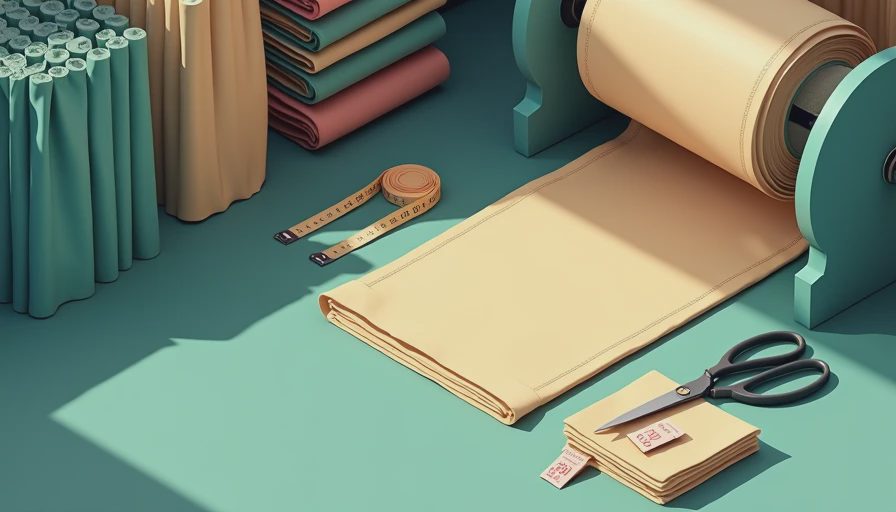
A yard of cloth starts to disappear fast once a garment has sleeves, a collar, a full lining, or any shape that asks for extra room at the seam lines. Bias-cut skirts, long dresses, wide-leg pants, and tailored shirts usually want more. Add a print with a directional nap or a stripe that needs matching, and you will need extra because the pieces can no longer be flipped and squeezed anywhere they fit. Many basic women's blouse patterns call for 1.5 to 2 yards, and a full-length dress can ask for 3 yards or more. This is the part that trips up beginners. They buy the fabric by feel, then discover that a blouse front does not live alone. It needs facings, hems, darts, and usually a second piece that behaves well with the first. The seam allowance is not the place to gamble.
How to shop the bolt like a tailor
When I shop fabric, I do what I do with a dress at the alterations table: I lift it, pinch it, and turn it over. Hold the cloth up to the light. Does it sag, stretch, or bounce back? Does the weave look even, or do you see slubs and weak spots that will matter in a seam? Ask the clerk for the width before they cut, and ask whether the print has a repeat that changes the layout. If you are buying online, look for the fiber content, the weight in ounces or grams, and whether the seller says prewashed. A $12 cotton poplin and a $12 linen blend are not the same purchase. One may sew like paper; the other may press beautifully. Different jobs, different cloth. The prettier photo is not the smarter buy.
The real cost of fabric that looks cheap
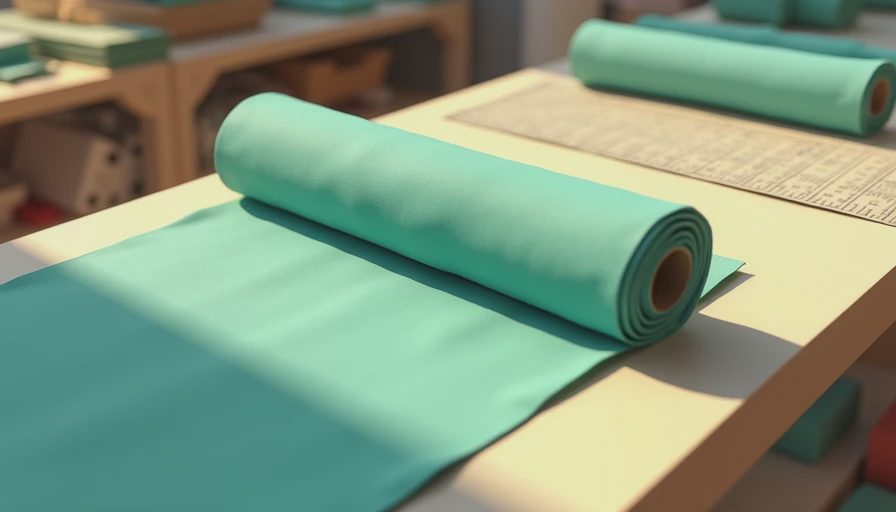
The cheapest bolt is not always the cheapest project. I have taken apart plenty of bargain garments where the outside looked smooth and the inside looked like a dog chewed the hem. Fabric works the same way. A low-priced yard can be flimsy, sheer, or so heavily finished that it twists after washing. Then you spend more on interfacing, lining, or extra yardage to fix what should have been right the first time. On the other hand, a better cotton lawn, wool blend, or linen can press cleanly, hold a seam, and need less rescue work. If you are sewing with your own time, that matters. Time is a material too, and it is never on sale. I would rather see someone buy one solid cut than three cheap ones that fight the machine.
A simple way to decide before you buy
Before you pay, stand there and ask four things: how wide is it, does it shrink, does the print need matching, and does the pattern need more than one layer. That is the whole game. If you are unsure, buy a little more and trim later. A leftover strip can become pockets, a waistband, a test seam, or a future repair. If you are buying for a one-off project, bring the pattern envelope or the measurement list to the counter and compare it to the fabric width before they cut. The next time you buy a yard of cloth, do not let the price tag talk louder than the layout. The inside tells the truth, and the cutting table will not lie to you.


No notes yet — write the first one.