Alterations bridal gowns is not a glamorous phrase, but the work behind it determines whether your dress feels elegant or simply expensive. After twelve years and more than 12,000 garments altered, I can tell you this: a gown rarely needs to fit the hanger model. It needs to fit your shoulders, bust, waist, hips, posture, and the way you actually stand. The inside tells the truth.
When to Schedule Your Gown Fitting
Start looking for an experienced bridal seamstress about three to four months before the wedding. Your first fitting should usually happen six to eight weeks before the ceremony, with a final fitting one to two weeks before. That schedule leaves room for several fittings without forcing anyone to rush through a complicated hem or bodice adjustment.
Some gowns need more time. Beaded lace, multiple layers of chiffon, heavily structured corsets, and dresses with detailed appliques require slow, careful work. A simple satin sheath may need only a hem and a minor side-seam adjustment, while a ball gown with horsehair trim can involve hours of hand finishing.
Bring the shoes and undergarments you plan to wear. Even a half-inch difference in heel height changes the hem. A bra with thicker cups can alter the bust line, while shapewear can change the waist and hip measurements enough to affect how the skirt hangs. Good alterations bridal gowns work begins with the real foundation, not a temporary substitute.
What a Seamstress Checks First
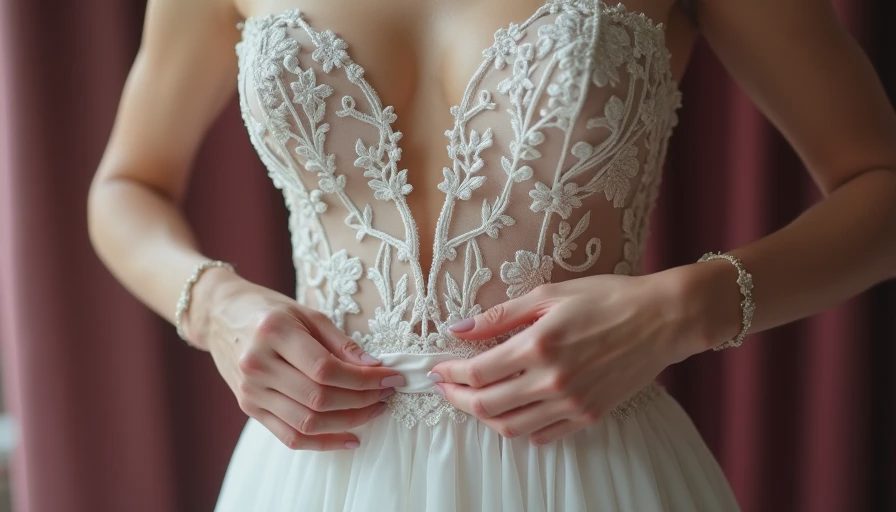
At the first appointment, I look at balance before I look at the length. Stand naturally, not in the stiff posture people adopt when they think they are being inspected. The waistline should sit where the pattern intended it to sit. If it rides up in front, pulls across the hips, or drops at the back, the gown is not balanced yet.
Next, I examine the shoulder and bust area. Horizontal wrinkles usually indicate tension or insufficient room. Vertical folds can signal excess fabric or a misplaced dart. If the armhole cuts into the front of the underarm, taking in the side seam may not solve the problem; the bodice itself could need reshaping.
A professional handling alterations bridal gowns should turn the dress inside out. Look for seam allowances, lining attachment, boning, and the direction of the grain. A gown with generous seam allowance gives the seamstress more options. A narrow seam allowance or cut edge leaves less room to let a garment out. The inside tells the truth, especially when a dress has already been altered once.
Which Changes Cost the Most
Prices depend on construction and local labor, but common bridal alterations often fall into recognizable ranges. A basic hem might cost roughly $150 to $300. A hem with lace, beading, horsehair braid, or several layers can reach $400 to $800 or more because each layer must be marked, cut, and finished separately.
Taking in or letting out a bodice often runs about $100 to $300. Reshaping cups, adjusting straps, adding bust support, or modifying a corset can add another $75 to $250. Sleeves are especially unpredictable. Removing them is usually simpler than creating a clean, comfortable sleeve opening or rebuilding a lace sleeve around a new arm measurement.
Bustles commonly cost $75 to $200, depending on the number of points and the weight of the train. A long cathedral train needs secure support; one tiny loop is not a plan. Ask what type of bustle will be used and whether you will receive a lesson at the final fitting. A bustle that looks tidy but takes twenty minutes to fasten is not useful on a busy wedding day.
Choosing a Dress That Can Be Altered
Before buying, inspect the places a seamstress will need to work. A dress with side seams, a separate lining, and a reasonable amount of seam allowance is generally more adaptable than a gown covered edge to edge in fragile beading. Center-back closures can be adjusted, but replacing a zipper with a corset back is a larger reconstruction than many shoppers realize.
Pay attention to the fabric. Satin shows needle marks and pressing mistakes, so it demands precise handling. Crepe drapes beautifully but can reveal every ripple underneath. Chiffon is light and forgiving in movement but fussy at the hem. Lace can disguise a small adjustment when the pattern is continuous, yet matching a large motif after reshaping takes time and skill.
Alterations bridal gowns professionals also consider whether the dress is being changed in a way that preserves its design. Removing a wide waistband may disturb the placement of lace. Shortening from the waist can affect the proportions of the bodice. Sometimes the cleanest solution is to shorten from the hem, even when the first idea seems faster.
How to Prepare for Each Fitting
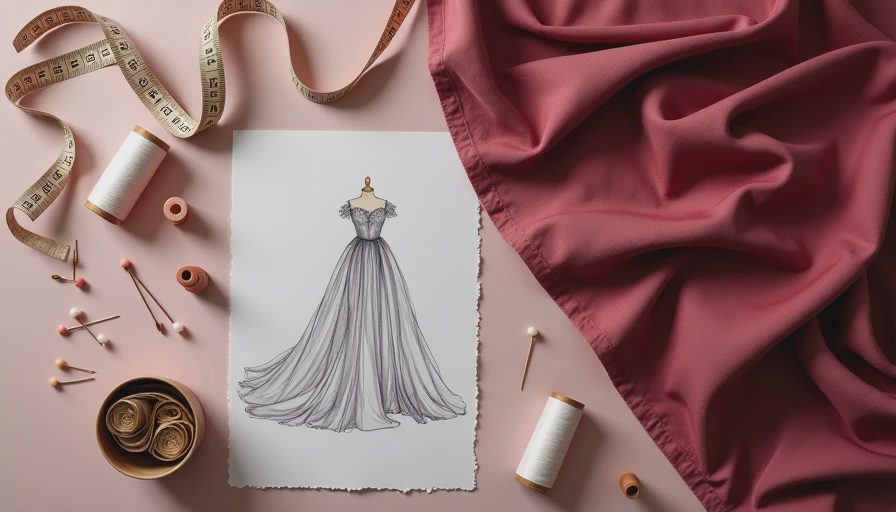
Wear the exact shoes and undergarments whenever possible. Bring a trusted person who can watch you walk, sit, raise your arms, and turn. A gown can look perfect while standing still and become uncomfortable the moment you reach for a glass or sit at dinner.
At the first fitting, describe sensations clearly. “It feels tight” is useful, but “the seam presses into my underarm when I lift my arm” gives the seamstress a location and a movement to diagnose. Walk several steps. Sit down. Bend slightly. If the neckline shifts or the straps fall, say so before pins are removed.
For alterations bridal gowns appointments, take photos from the front, side, and back if the seamstress permits it. A side view often reveals whether the bust point, waist seam, and hip line are sitting correctly. Do not judge the gown only by how it photographs from ten feet away. Comfort and balance matter more than a frozen pose.
At the final fitting, practice the bustle and check every closure. Confirm that the hem clears the floor in front and does not create a dangerous puddle behind you. Move in the dress for at least several minutes. Your body should not be fighting the garment.
Red Flags at the Alterations Table
Be cautious if someone promises that every gown can be made to fit perfectly, regardless of the starting size or construction. Fabric cannot be invented where there is none. A seamstress should explain when a change will affect the neckline, lace placement, zipper, or silhouette.
Another warning sign is a rushed consultation that focuses only on pinning the hem. The hem matters, but it is not the whole dress. Ask who will perform the work, whether hand beading is included, how many fittings are expected, and what happens if the dress changes after steaming.
A reliable professional handling alterations bridal gowns will write down the requested changes and identify priorities. If the budget is limited, spend first on balance, hem length, and bust support. Decorative additions can wait. A beautifully fitted plain gown will look more polished than an ornate dress pulling at every seam.
The right alterations bridal gowns plan is not about forcing your body into a sample size. It is about respecting the garment’s architecture and making the fabric follow you comfortably. Schedule early, bring the right shoes, ask to see the inside, and insist on enough time to move. A well-fitted gown does not announce the work done to it. You simply look composed, and the dress stays where it belongs.




No notes yet — write the first one.