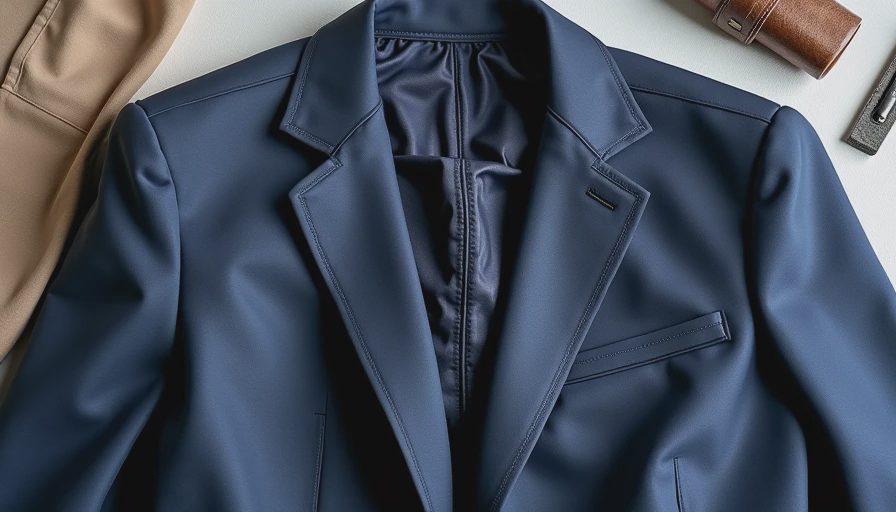
The Shoulder Seam Doesn’t Lie
You try on a blazer that looks sharp on the hanger. But something feels… off. The shoulders slump. The sleeves twist. You look slightly hunched even when standing straight. Most women blame their posture. I blame the shoulder seam.
After years spent rebuilding garments, I can read a shoulder seam like a book. It tells me how the piece was made, how it will fit, and how long it will last. Today we’re doing a deep dive into one of the most important construction details most shoppers ignore.
I’m Paige Sullivan, and this is The Seam — where we turn clothes inside out and talk about what really matters.
The Three Main Shoulder Styles
There are three primary ways sleeves connect to the body in jackets and blazers. Each tells a different story.
1. Set-In Sleeves
This is the classic tailored look. The sleeve is sewn into a rounded armhole. When done well, it creates a structured, polished silhouette with excellent mobility.
What it says about the garment: Usually higher quality construction. More labor-intensive to sew properly. Better for structured professional looks.
Fit clues: The seam should sit exactly at the edge of your shoulder. No pulling or gaping. You should be able to raise your arms comfortably without the whole jacket lifting.
2. Raglan Sleeves
The sleeve seam runs diagonally from the neckline to under the arm. Think classic baseball tees but elevated for jackets.
What it says about the garment: Often more casual or relaxed. Easier to manufacture, which can mean lower price points, but excellent versions exist in higher quality lines.
Fit clues: More forgiving on different shoulder slopes. Great for broader shoulders or anyone who wants less structure.
3. Drop Shoulder / Dolman
The shoulder seam sits lower, often creating a slouchy, oversized look.
What it says about the garment: Usually intentional design choice for relaxed aesthetics. Can hide construction shortcuts or be beautifully executed depending on the brand.
Fit clues: Should feel intentional, not sloppy. Watch for excess fabric bunching under the arms.
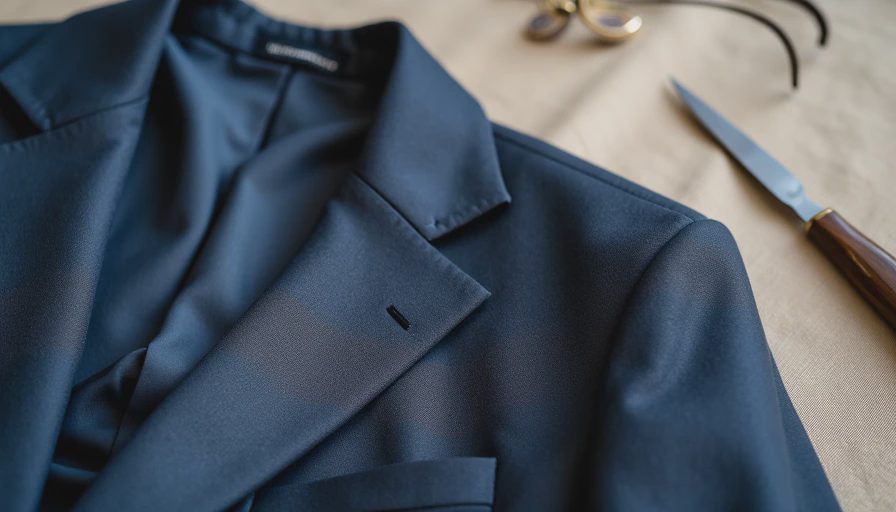
What the Inside Reveals
Flip any blazer inside out and look at the shoulder area. Quality pieces show:
Clean, even stitching
Proper reinforcement at stress points
Linings that don’t pull against the outer layer
Adequate seam allowances for future alterations
Cheap construction shows rushed serging, minimal thread, and shortcuts that will fail after repeated wear.
I once took apart a “designer” blazer that cost over $300. The shoulder seams had almost no allowance and were starting to fray after only a few wears. The outside looked expensive. The inside told the truth.
How Shoulder Construction Affects Real Life
Wrong shoulder construction creates a cascade of problems:
Sleeves that twist when you move
Jackets that ride up or pull across the back
Collars that don’t sit properly
Overall “off” feeling that’s hard to describe but easy to see
I’ve adjusted hundreds of these. The fix is often reshaping the shoulder or adding subtle padding, but prevention through smart shopping is always better.
Quick Shoulder Diagnostic Checklist
Next time you’re trying on blazers, run through this:
Stand naturally. Does the shoulder seam sit where your actual shoulder ends?
Raise your arms. Does the jacket stay put or ride up dramatically?
Check the back. Any pulling or wrinkling across the shoulder blades?
Look inside. Are the seams finished properly?
Walk around. Does it feel balanced or constantly need adjusting?
If it fails multiple points, put it back. There are better options.
Stories From the Alterations Table
One client brought in a beautiful camel blazer for her big presentation. The set-in sleeves were cut too tight for her shoulder shape. After rebuilding the shoulder seams and adjusting the armholes, she looked confident and powerful instead of restricted.
Another woman loved the look of drop shoulder styles but kept buying versions that made her look sloppy. We found a higher quality version with better internal structure and proper finishing. Same style, completely different result.
Small details make enormous differences.
Choosing the Right Style for Your Body
There’s no universal “best” shoulder style — only what works for your proportions and lifestyle.
Narrow shoulders often shine in set-in styles with subtle padding
Athletic or broader shoulders may prefer raglan for comfort
Casual work environments can embrace drop shoulders when well executed
The key is understanding what you’re looking at instead of just grabbing whatever looks cute on the rack.
Building a Wardrobe That Actually Works
Understanding shoulder construction is part of the bigger picture I’m sharing here at The Inside Tells. When you combine knowledge about seams, fit, and fabric, you stop guessing and start choosing with confidence.
You deserve clothes that make you feel capable and comfortable. Not garments that constantly need adjusting or apologizing for.
The inside tells the truth. And your shoulder seams have been trying to tell you something important every time you get dressed.
Listen to them.

No notes yet — write the first one.