Becoming Fluent in Seams
After twelve years of taking garments apart and putting them back together, I can read a seam the way some people read facial expressions. It tells me the manufacturer’s priorities, the expected lifespan of the piece, and how much care went into its construction.
Today I’m sharing that skill with you. Welcome to a practical masterclass in reading seams like a tailor.
I’m Paige Sullivan, and this is The Seam — where we turn clothes inside out and learn what really matters.
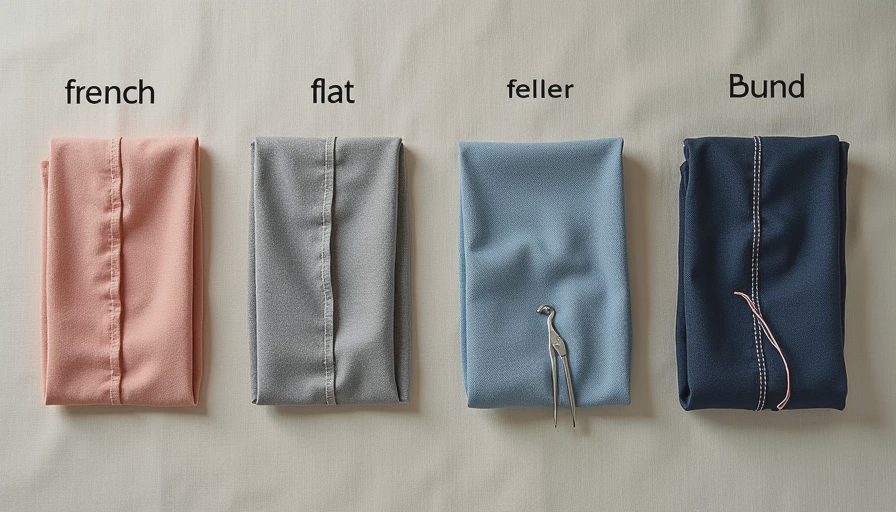
The Four Main Seam Types You Need to Know
Here are the most common seam finishes and what they reveal:
French Seams
Clean, fully enclosed seams where raw edges are hidden inside another seam. Beautiful from both sides.
What it says: High quality, attention to detail, often found in delicate blouses, lingerie, or high-end garments. More labor-intensive and expensive to produce.
Best for: Lightweight fabrics, items that will be seen from the inside (unlined jackets), or anything meant to feel luxurious.
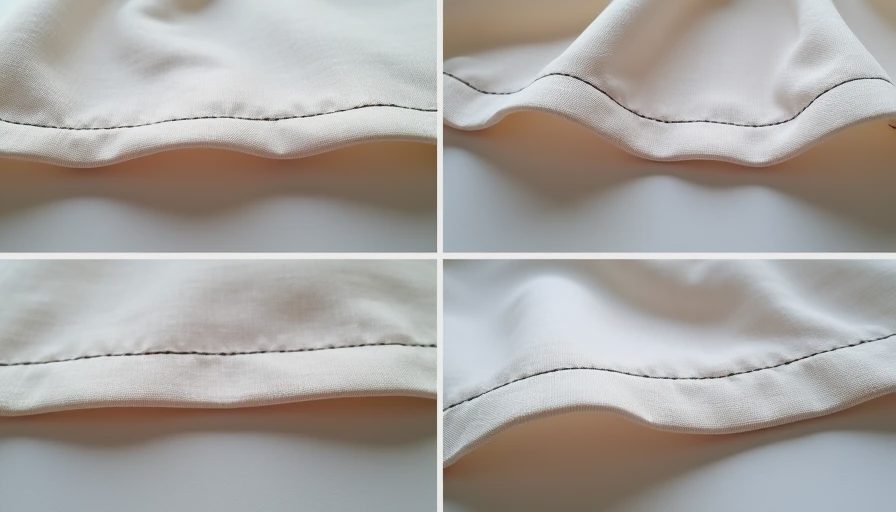
Flat-Felled Seams
Strong, durable seams where one edge is folded over the other and topstitched. Common in denim and workwear.
What it says: Built to last. Excellent for high-stress areas and garments that need strength. Shows thoughtful construction.
Best for: Jeans, shirts that get heavy use, outerwear.
Serged (Overlocked) Seams
Edges finished with a serger that trims and encases the raw edge in thread in one step.
What it says: Fast and cost-effective. Common in mass production. Quality varies dramatically depending on thread and machine settings.
Best for: Knits, linings, or garments where speed matters more than luxury. Not ideal for delicate or high-wear items.
Bound Seams
Raw edges enclosed with bias tape or binding.
What it says: A step above basic serging. Shows care and prevents fraying beautifully. Often used in higher quality ready-to-wear.
Best for: Unlined jackets, dresses, and any garment where you want clean interiors.
The Quick Cheat Sheet
When you flip a garment inside out, use this mental checklist:
French or Bound → Usually a good sign. Investment piece territory.
Clean Flat-Felled → Excellent for durability.
Neat Serged → Acceptable for many items, especially knits.
Messy, loose, or minimal → Walk away. The garment likely won’t age well.
Look at seam allowance width too. Generous allowances suggest the manufacturer expected the piece to be altered or to last.
What Seam Choices Reveal About Priorities
Manufacturers make deliberate decisions. When they choose cheap serging on a $120 blouse, they’re telling you where their priorities lie. When they invest in French seams on a delicate silk top, they’re signaling care.
I’ve seen $80 blouses with beautiful French seams and $400 pieces with sloppy serging. Price isn’t always the best indicator — but construction almost always is.
Real-World Application
Next time you’re in a fitting room, make it a habit to check the inside seams. It takes thirty seconds and can save you from disappointment later.
I once watched a client fall in love with a beautiful dress until she looked inside. The serged seams were already fraying on the sample. She put it back and found something better made. Smart choice.
How This Skill Changes Your Shopping
Once you can read seams, you gain confidence. You stop relying solely on brand names or price tags. You start trusting your own assessment of quality.
This knowledge pairs beautifully with the other skills we’ve covered — understanding fit, fabric, and darts. Together they turn you into a much more informed consumer.
Emma’s Seam Education
My daughter has started pointing out “messy insides” on clothes. She’s particularly proud when she spots a nice French seam. It makes me smile every time. The next generation of critical thinkers is learning early.
Practice Makes Progress
Start small. Check the seams on your current favorite garments. Notice what feels good and why. Over time, you’ll develop an instinct for quality construction.
The inside tells the truth. Learning to read seams fluently is one of the best ways to listen.
Your wardrobe — and your wallet — will thank you.

No notes yet — write the first one.