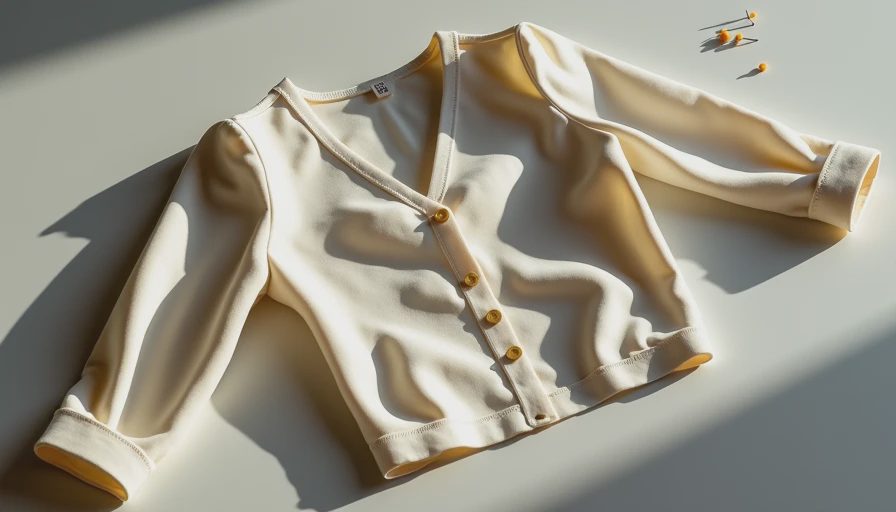
The Quiet Heroes of Fit
They’re small, triangular, and often completely invisible once the garment is finished. But darts might be the most important detail in how clothes actually fit real bodies.
I’m Paige Sullivan, and after turning thousands of garments inside out, I’ve developed deep respect for well-placed darts. Today we’re talking about the three most common ones every woman should know how to recognize: bust darts, waist darts, and shoulder darts.
Understanding them will change how you shop, how you assess fit, and how you communicate with tailors.
What Darts Actually Do
A dart is simply a folded and stitched triangle of fabric that shapes flat material to fit curves. They’re the difference between a boxy sack and a garment that follows your body beautifully.
Think of them as the quiet sculptors working behind the scenes. When they’re right, you don’t notice them. When they’re wrong, something always feels off.
1. Bust Darts
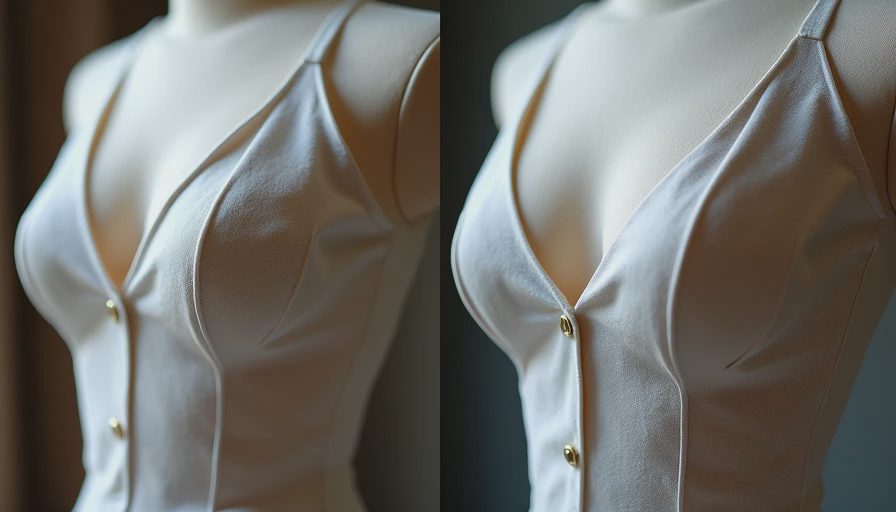
Location: Usually starting from the side seam and pointing toward the fullest part of the bust.
Purpose: To shape the fabric around the curve of the bust so the garment doesn’t gape or pull awkwardly across the chest.
What good ones look like: They end just before the fullest point, creating smooth shaping without a pointy “dart tip” effect. They work with your natural shape instead of fighting it.
Red flags: Darts that point too high, too low, or are too long/short for your proportions. You’ll see pulling or excess fabric.
I’ve moved hundreds of bust darts during alterations. Getting them in the right place makes an enormous difference in how a top or dress looks and feels.
2. Waist Darts
Location: Usually at the front and back waistline of skirts, pants, or fitted bodices.
Purpose: To take in excess fabric at the waist while allowing room for hips and creating a smooth silhouette.
What good ones look like: Symmetrical, properly angled, and ending smoothly without puckering. They create shape without making the garment feel restrictive.
Red flags: Darts that are too aggressive (creating a pinched look) or too shallow (not enough shaping). Also watch for darts that don’t match your actual waist-to-hip transition.
3. Shoulder Darts
Location: Near the shoulder seam, often in jackets or structured tops.
Purpose: To shape the garment over the rounded curve of the shoulder and upper back.
What good ones look like: Subtle and perfectly placed to prevent pulling across the shoulder blades or gaping at the neckline.
Red flags: Missing darts where they’re needed (common in mass production) or poorly placed ones that create wrinkles.
How to Spot Dart Problems in the Fitting Room
Quick checklist:
Stand sideways in good lighting. Do you see smooth curves or strange pulling?
Look for “dart pointing” — visible peaks where the dart ends.
Check symmetry. Your body isn’t perfectly symmetrical, but the darts should work with your unique shape.
Move. Raise your arms, sit down, reach forward. The darts should accommodate movement.
If something feels off but you can’t name it, the darts are often the culprit.
Real Fixes I’ve Done
One client brought in a beautiful silk blouse that looked expensive but never felt right. The bust darts were placed for a completely different body shape. Moving them took about 45 minutes and completely transformed the blouse.
Another woman had a work dress with aggressive waist darts that created an unnatural shape. We released and redistributed them for a much more flattering and comfortable fit.
These aren’t dramatic alterations. They’re precision work that makes clothes actually suit the person wearing them.
Talking to Tailors About Darts
Don’t be afraid to point out dart issues. Good tailors understand them deeply. You can say things like:
“The bust darts feel too high for me.”
“Can we adjust the waist darts for a smoother transition?”
“I think this needs additional shoulder shaping.”
The more specific you are, the better results you’ll get.
Why This Knowledge Matters
Understanding darts helps you:
Shop more effectively (you can quickly assess fit potential)
Communicate clearly with tailors
Appreciate well-made garments
Stop blaming your body for poor construction
Your body isn’t the problem. Misplaced darts are.
Emma’s Dart Commentary
My daughter has started noticing darts in her own clothes. She calls them “the secret folds that make it not baggy.” Kids have a wonderful way of simplifying complex things. These “secret folds” really do make all the difference.
The Takeaway
Next time you try on a garment, take a moment to look for the darts. Are they working with your body or against it? That single observation can save you from buying something that will never quite feel right.
The inside tells the truth — and darts are some of the most honest parts of any garment.
Learn to read them, and you’ll never look at clothes the same way again.

No notes yet — write the first one.