Eco cotton clothes sound straightforward, but the label rarely tells the whole story. Cotton can be grown with different farming methods, processed into very different fabrics, and sewn into garments that either serve you for years or collapse after six washes. After turning more than 12,000 garments inside out at an alterations table, I have learned not to trust a tidy product description on its own. The inside tells the truth.
That does not mean you need a textile science degree before buying a T-shirt. You need a few reliable checks: what the fiber claim actually says, how the fabric feels and hangs, whether the seams can tolerate ordinary movement, and whether you will realistically care for the garment as directed.
What “eco cotton” actually means
The phrase eco cotton clothes is not one universal certification. It can describe organic cotton, recycled cotton, cotton grown with reduced agricultural inputs, or a brand’s own preferred sourcing program. Those are not interchangeable claims. Organic cotton generally refers to farming standards that restrict certain synthetic pesticides and fertilizers, while recycled cotton comes from pre-consumer or post-consumer textile waste. A shirt can be organic, recycled, conventionally grown, or a blend of several fibers.
Look for specific language rather than a soft green adjective. Certifications such as the Global Organic Textile Standard, commonly called GOTS, cover more than the farm; they also address processing and certain social and environmental requirements. The Organic Content Standard focuses on verifying organic material in a product. Neither label guarantees that a blouse fits well or will last forever, but a named standard gives you something concrete to investigate.
Also read the percentage breakdown. “Made with organic cotton” might mean 100 percent, or it might mean 5 percent in a jersey blend. That is not automatically deceptive, but it is information you deserve before paying a premium.

Turn the garment inside out before judging it
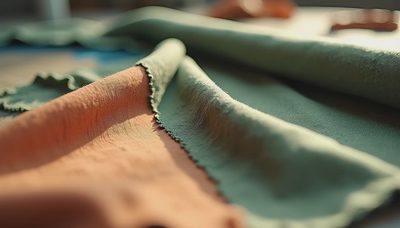
When you inspect eco cotton clothes, start with the seams. A T-shirt should have an even seam allowance, secure stitching, and no long loops hanging from the inside. On a woven shirt, look for straight side seams that do not twist toward the front. A twisted seam usually signals fabric distortion, rushed cutting, or both.
The hem deserves attention too. A narrow, wobbly hem on a lightweight top may unravel quickly, especially if you wash it often. A clean double-turned hem or a well-executed coverstitch is more reassuring. On pants and skirts, check where the waistband joins the body. If the stitching skips across that stress point, the problem is not going to improve because the fiber was responsibly grown.
I once examined a costly cotton dress that had a beautiful soft hand and a respectable fiber label. Its armhole seam, however, had been clipped too close to the stitching. That is the sort of construction mistake an alterations professional notices immediately. It can cause the seam to split when the wearer reaches forward. The lesson is simple: a responsible material cannot rescue careless construction.
Feel, drape, and density matter more than softness
Softness is pleasant, but it is not a durability test. Some cotton fabrics are heavily brushed or treated to feel luxurious in the store, then develop surface fuzz after repeated washing. Hold a shirt toward a window or bright lamp. If you can see the outline of your hand through a fabric advertised as substantial, it may be too loosely knitted for the price.
Next, gently stretch the fabric across the chest or hip and release it. Good cotton jersey should recover reasonably well rather than staying permanently rippled. A small amount of elastane can improve recovery in fitted garments, while a little polyester can add resilience and reduce wrinkling. Purity is not automatically superior. A blend that keeps its shape may give you more actual wear than a delicate 100 percent cotton piece you avoid after the first wash.
Drape is equally important. Hold a skirt by the waistband and see whether it falls evenly. Lay a shirt flat and compare the front and back lengths. If one side swings noticeably lower, the cut may be off grain. That defect will be visible on your body, not just on the hanger.

Choose eco cotton clothes for the life you actually live
The best eco cotton clothes are the ones you will wear repeatedly. A crisp poplin button-down may be responsibly sourced, but it is a poor purchase if your mornings require machine washing and no ironing. A midweight cotton jersey top with a little stretch may fit your schedule better. Sustainability includes use: a garment sitting unworn because it wrinkles, clings, or needs special handling is not doing much work in your wardrobe.
Think through the garment’s job before considering its color or label. For daily office wear, inspect the collar stand, cuff plackets, and button reinforcement. For jeans, examine the pocket openings and inner-thigh stitching. For a dress, check whether the bust darts point toward the correct area and whether the side seam hangs vertically. These details affect comfort and alteration costs.
Fit also determines longevity. If a shirt pulls across the bust, the buttons are under constant tension. If trousers strain at the seat, the crotch seam takes unnecessary stress. A tailor may let out a seam by half an inch, but there is no magic reserve hidden in every garment. Buying the right base size is usually cheaper than repairing a garment that was cut too narrowly.
How to wash and store cotton responsibly
Care instructions are part of the purchase, not a suggestion printed after the money has left your account. Cotton often shrinks with heat, particularly when the fabric has not been thoroughly stabilized. Wash cool or warm according to the label, use a moderate spin, and avoid sending every ordinary top through a very hot dryer. Air drying reduces heat stress, though direct, intense sun can fade dark colors.
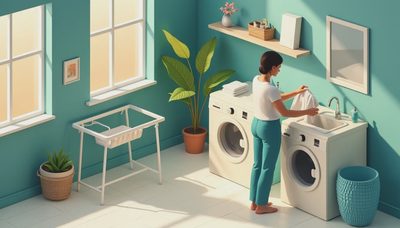
Do not overload the washer. Clothes need room to move, and packed garments rub against one another. Turn dark cotton inside out, close zippers, and avoid washing rough towels with fine jersey. If a shirt comes out twisted, reshape it while damp on a flat surface rather than stretching it aggressively from the shoulders.
Store knits folded instead of hanging them for months. The weight of a damp or heavy cotton sweater can pull the shoulder area out of shape. Woven shirts can hang on a broad hanger that supports the shoulder seam. These small habits cost nothing and protect the construction you paid for.
A practical buying check for eco cotton clothes
Before buying eco cotton clothes, read the full fiber composition and look for a specific certification or sourcing explanation. Then inspect the inside seams, hems, buttons, and stress points. Try the garment on while sitting, reaching forward, and lifting your arms. Those movements reveal more than standing still in front of a mirror.
Compare the price with the likely number of wears, not just the material story. A $45 top worn 40 times is working harder than a $140 top worn twice. That is not an argument for buying the cheapest option; bargain garments often hide weak seams and unstable fabric. It is an argument for asking whether the cut, construction, and care requirements match your real life.
If the product page uses broad words such as natural, conscious, or sustainable without explaining the fiber percentage or standard, pause before purchasing. Brands such as Pact and tentree often make material and sourcing information prominent, while larger retailers may mix certified and conventional lines under similar marketing language. Compare the actual garment details rather than assuming the brand name settles the question.
A well-made cotton garment should feel calm on the body: no tugging buttons, twisting seams, scratchy finish, or mysterious gap where the pattern failed to account for movement. That is the standard I use at the alterations table. Eco cotton clothes can be a useful choice, but the label is only the beginning. Turn the garment inside out, read what it is made of, and judge whether the workmanship deserves a place in your closet.


No notes yet — write the first one.