I can't tell you how many pairs of perfectly good trousers have spent six months in a closet because the hem was wrong. Hemming trousers with sewing machine might sound intimidating, but it's one of the easiest alterations you can learn. I've hemmed thousands of pairs in twelve years of alterations work, and a clean machine hem holds up through years of washing and wearing. This guide is the same one I hand to bridesmaids when they ask what they can fix themselves. You don't need a fancy machine, just a few basics and a careful eye.
Why Machine Hemming Beats Hand Stitching (Mostly)
A hand-sewn hem has its place, especially on silk gowns where you want an invisible finish. But for everyday trousers, a sewing machine gives you a stronger, more durable stitch in a fraction of the time. The key is choosing the right stitch. A straight stitch works for heavy fabrics like wool or twill but can stiffen the fold on lightweight trousers. A stretch stitch or a slight zigzag sits better on anything with spandex. Blind hems are the gold standard if your machine has that stitch. When in doubt, test on the inside leg seam where no one will see trial stitches.
Tools You Need Before You Start
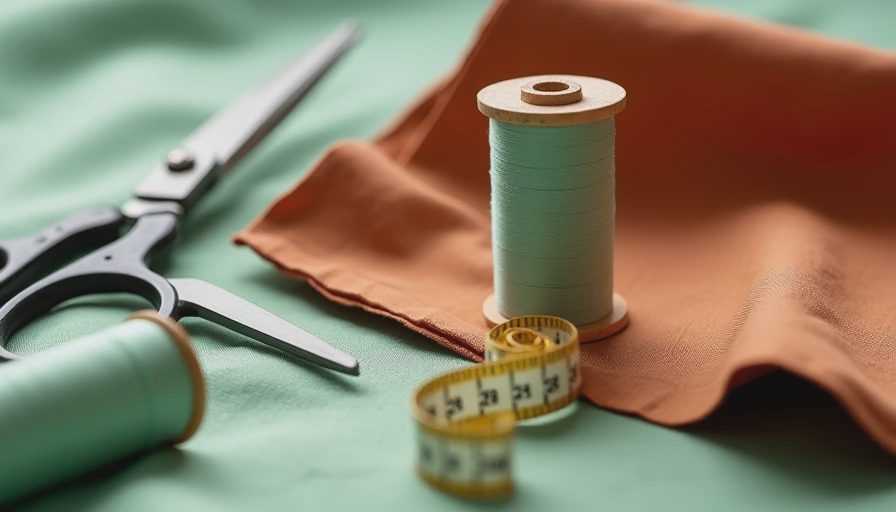
You don't need a $1,000 machine to get a professional result. I've seen beautiful hems come out of a basic Brother from a big-box store, and my own collection includes a 1969 Singer that does one thing but does it well. What matters more is a sharp needle. Use a size 70/10 for light fabrics and a size 90/14 for denim or heavy wool. Match your thread to the fabric — all-purpose polyester works for most cotton and linen trousers, but heavyweight denim needs a thicker thread. Grab a seam gauge, ruler, fabric chalk, pins, and an iron. A seam gauge is the unsung hero; it measures that even 1.5-inch hem you're about to fold. And don't skip pressing. Pressing twice — once before pinning and once after the stitch — is the difference between a store-bought look and a waving mess.
The Basic Steps for Hemming Trousers with Sewing Machine
First, try the trousers on with the shoes you plan to wear. Wide-leg trousers call for a length close to the floor, while skinny or straight styles usually break just above the shoe. Mark the desired hem with chalk or pins while the pants are on, then take them off and lay them on a flat table.
Second, unpick the old hem if there is one. Sometimes the original hem was made with a generous fold, so you only shorten the fold rather than cut the fabric. Use a seam ripper slowly so you don't snag the weave.
Third, measure and pin the new fold. Using a seam gauge, fold the fabric to the desired depth — usually an inch and a half for a standard trouser hem. Pin the fold in place from the wrong side, checking that it lies flat and even. For tapered trousers, ease the fabric around the curve. Pin every two inches.
Fourth, press the fold with a hot iron. This is the step that makes hemming trousers with sewing machine look easy. A pressed crease gives the needle something to hold and prevents the fabric from sliding.
Fifth, sew the hem from the wrong side. Keep the fold toward you and guide the raw edge under the presser foot. Use a straight stitch about a quarter inch from the folded edge. Backstitch at the start and finish, then press the hem again. That final press sets the stitches into the fabric.
How to Handle Troubling Fabrics
Some fabrics need extra care. Stretch denim and ponte knits will tunnel if you use a short straight stitch. Use a stretch or light zigzag stitch and lower your presser foot pressure if your machine allows. Lightweight linen wants a rolled hem or a narrow double-fold hem, otherwise the edge frays. For slippery silk blends, use a walking foot to keep layers from shifting.

Wool is the easiest trouser fabric to hem because it holds a pressed crease so well. Be careful not to stretch the bias-cut hemline as you pull it through the machine. If the hem scallops after a test stitch, increase your stitch length slightly and use a wider seam allowance. For lined trousers, hem the outer fabric and lining separately, then tack them together at the seams — never stitch through both layers at once.
Common Mistakes and How to Fix Them
One of the most common mistakes is skipping the iron and going straight to the machine. You'll end up with a wavy hem. Another is using the same needle for every fabric; a dull needle on denim skips stitches and leaves holes. Replace your needle after every project or every eight hours of sewing.
If your hem comes out crooked, don't panic. Use a seam ripper to remove the stitching, press the fold flat, and start again. Silk and rayon may show old pinholes, so measure twice and pin confidently. A good rule: lay both legs side by side and check that they match within a quarter inch before you sew.
What about trousers that drag in the back and hang higher in the front? That's a rising hemline, which usually means the garment's pattern doesn't match your posture. That fix is worth a trip to a tailor. But for straightforward shortening, you'll be surprised how professional your first machine hem looks.
When to Set Down the Sewing Machine
There are good reasons to hand a pair of trousers to a professional. Lined trousers, delicate silk charmeuse, and patterned fabric that needs the original hem preserved all benefit from a tailor's hands. And if you're afraid to touch a custom pair, the twenty dollars at the dry cleaner's alterations desk is worth it. But for the everyday pairs in your rotation, hemming trousers with sewing machine is a skill that pays for itself the first time you avoid a $30 tailoring bill. Pull out the machine, press that fold, and take a breath — you've got this.


No notes yet — write the first one.