When someone asks, "is viscose better than cotton," I know she is usually standing in front of a clothing rack, holding two blouses that look similar on the hanger. One feels cool and fluid; the other feels crisp and familiar. The honest answer is not a simple winner. Viscose and cotton behave differently because they are built differently, and the better choice depends on the garment, your climate, and how much laundry drama you can tolerate.
I have turned more than 12,000 garments inside out during my years in bridal alterations. The inside tells the truth. A fiber label tells you what a garment is made from, but the cut, weave, seam finish, and care instructions tell you whether that fabric will serve you well.
What viscose actually is
Viscose is a manufactured cellulosic fiber. It begins with plant material, commonly wood pulp, but that pulp is chemically processed and spun into fibers. You may also see related names such as rayon, modal, or lyocell. They are not identical, but they belong to the same broad family of regenerated cellulose fabrics.
That process gives viscose its famous softness and fluid drape. Pick up a viscose blouse and let one sleeve hang from your hand. It falls in a smooth ribbon instead of holding a firm shape. This makes viscose excellent for gathered skirts, loose trousers, wrap dresses, and blouses where you want movement rather than structure.
Cotton is a natural staple fiber spun directly from cotton plants. Its short fibers create a familiar, breathable fabric that can range from crisp poplin to soft jersey. Cotton often has more body than viscose, although the weave matters enormously. A lightweight cotton voile and a heavy cotton canvas are technically the same fiber and completely different experiences.
So, is viscose better than cotton for softness and drape? Frequently, yes. Is it better for every garment? Absolutely not.
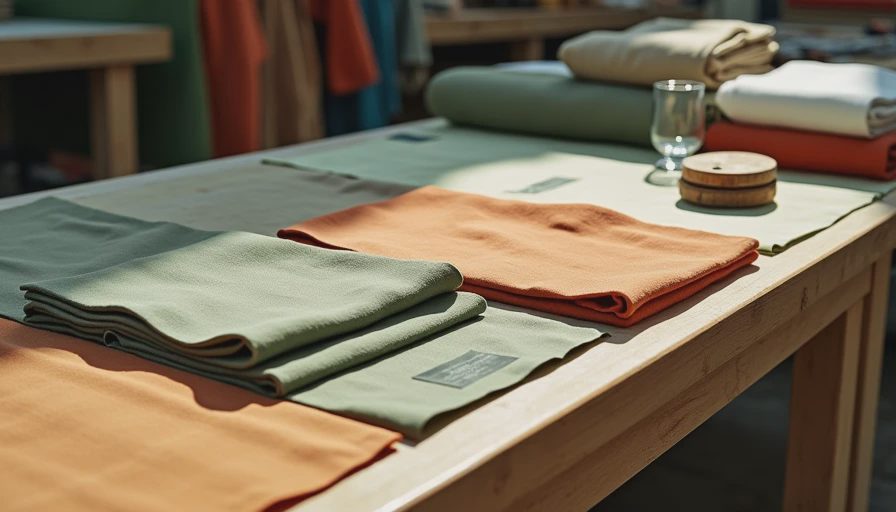
Drape, breathability, and comfort
Viscose usually wins when the goal is a fluid silhouette. It skims over the body instead of standing away from it, which can make a dress look polished without feeling stiff. It also absorbs moisture and can feel cool against the skin, a useful quality in warm weather or a heated office.
Cotton remains a strong choice for everyday comfort. It breathes well, handles repeated washing more predictably, and comes in enough weights to suit nearly anything from a T-shirt to a chore jacket. A good cotton shirt can look sharp after years of wear, especially when the fabric is tightly woven and the collar has proper interfacing.
There is a catch with viscose: it can feel wonderful before washing and disappointing afterward. Some viscose fabrics shrink, stretch, or become limp when exposed to heat and agitation. A dress that was ankle length in the fitting room may become an awkward mid-calf experiment if you ignore the care label.
If you perspire heavily, neither fiber is automatically perfect. Viscose absorbs moisture but may dry slowly. Cotton absorbs moisture too and can stay damp against the skin. A cotton blend with a small amount of synthetic fiber may dry faster, though that changes the hand and breathability.
Durability and laundry reality
This is where the answer to is viscose better than cotton becomes less flattering for viscose. Many viscose garments are weaker when wet. They can twist in the washer, develop surface fuzz, or lose their original shape if handled roughly. That does not mean every viscose item is fragile, but it does mean you should treat the fabric according to its construction and label.
Cotton generally tolerates routine washing better, especially in simple knit tops, pajamas, and casual shirts. It can shrink, fade, and develop wrinkles, but those changes are usually easier to anticipate. Preshrunk cotton is not shrink-proof; hot water and a hot dryer can still alter measurements.
At the alterations table, I pay attention to stress points. Look at the underarm seam, pocket opening, waistband, and places where the fabric is pulled by buttons. A thin viscose blouse with tiny seam allowances may not survive many alterations. A well-made cotton shirt with reinforced seams can be adjusted and repaired more comfortably.
For viscose, wash gently in cool water, use a mild detergent, and avoid wringing. Reshape the garment while damp and dry it away from intense heat. For cotton, follow the same advice when preserving color and size matters, even if the fabric is more forgiving.

Which fabric works best for different clothes?
The question is viscose better than cotton is easier when you start with the garment rather than the fiber.
For a draped blouse, soft skirt, or relaxed dress, viscose is often the more elegant option. It gives gathers and bias-cut panels enough movement to fall smoothly. Look for a lining or a substantial weave if the fabric is sheer or clings around the hips. A slippery lining can also stop the skirt from catching on tights.
For T-shirts, underwear, sleepwear, and clothing washed several times a week, cotton is usually the practical choice. Cotton jersey with a little stretch can recover well at the neckline and make dressing easier. Inspect the shoulder seams; a narrow strip of stabilizing tape helps prevent them from growing longer with wear.
For structured trousers, cotton twill often provides better support than lightweight viscose. Viscose can work in wide-leg pants, but check whether the waistband has enough reinforcement and whether the fabric becomes transparent under direct light. If you can see your hand through the seat of the pants, the problem will not be solved by a flattering product description.
Blends can be the sensible middle ground. Cotton-viscose fabric may combine cotton's familiar resilience with viscose's softness and drape. The percentages matter, but so does the weave. A 60 percent cotton, 40 percent viscose shirt will not behave exactly like another shirt with the same percentages if one is jersey and the other is woven poplin.
How to shop without guessing
Turn the garment inside out before buying. First, examine the seams. Even stitching, finished raw edges, and a reasonable seam allowance suggest the maker expected the garment to be worn rather than admired briefly online. Next, scrunch a section of fabric in your hand and release it. Viscose may relax into wrinkles; cotton may crease more sharply or spring back depending on the weave.
Hold the fabric up to light. This reveals thin spots, uneven density, and transparency. Then pull gently across the bust or hip area. A strained button placket or diagonal drag lines mean the cut is wrong for your measurements, regardless of whether the fiber is fashionable.
Read the care label before you fall in love. If a $90 blouse requires frequent dry cleaning, that is part of its price. If a casual dress must be laid flat every time, decide whether your schedule can support it. A beautiful garment that stays in the hamper is not earning its closet space.
Finally, consider alterations. Cotton often accepts simple adjustments well, while slippery viscose can shift under a sewing machine and fray at cut edges. A skilled tailor can manage it, but the work may cost more. Leave enough seam allowance at side seams for possible changes.
The practical verdict
Is viscose better than cotton? Choose viscose when you want graceful drape, a soft hand, and movement in a dress or blouse, and you are willing to wash it carefully. Choose cotton when you need dependable wear, easy laundering, and a fabric that will hold up to regular use. Choose a blend when you want some of both.
Do not let the fiber name make the entire decision. A beautifully cut cotton shirt can look more expensive than a poorly constructed viscose blouse, and a carefully sewn viscose dress can be far more comfortable than a stiff cotton one. Check the seams, the weight, the lining, and the care instructions. Then think about the life the garment will actually lead in your closet.
That is the useful answer: is viscose better than cotton for your particular garment, your particular body, and your particular laundry habits? Once you ask those questions, the label stops being a verdict and starts being information.




No notes yet — write the first one.