The Purity Myth in Your Closet
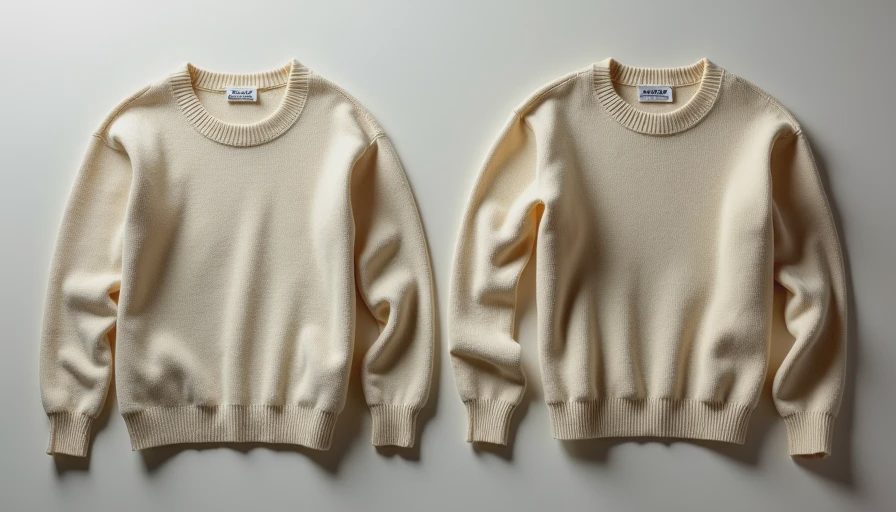
You reach for that soft 100% cotton sweater, proud of your “natural fiber” choice. Three wears later, it’s covered in little pills. Meanwhile, your friend’s 90% cotton / 10% something sweater still looks fresh after months.
What gives?
I’m Paige Sullivan, and after years of repairing pilled, stretched, and disappointed sweaters, I’m here to bust the myth that 100% anything is automatically superior. Today we’re talking about when blends actually win.
The Science Behind Pilling
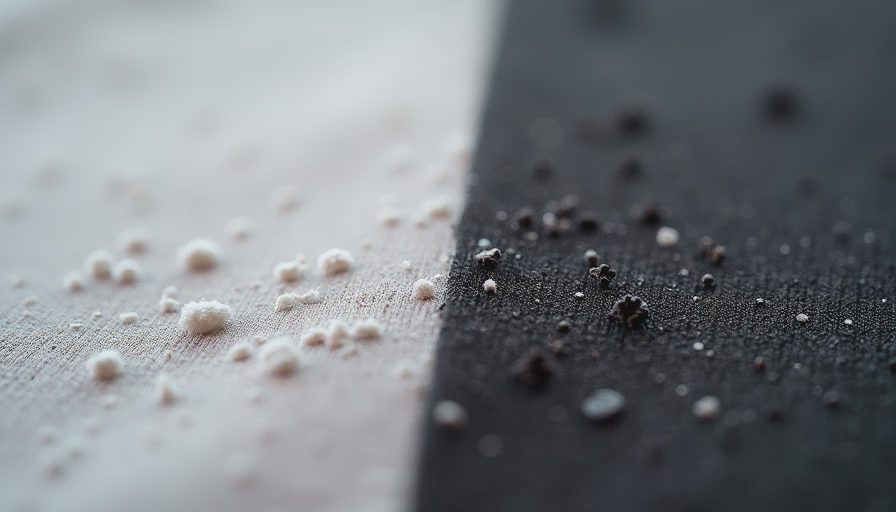
Pilling happens when short fibers work their way to the surface and tangle together. Natural fibers like cotton can be particularly prone to this because individual fibers are relatively short and can break more easily under friction.
Strategic synthetic blends often use longer, stronger filaments that anchor the natural fibers and reduce pilling. A small percentage of polyester, nylon, or other performance fibers can dramatically improve durability without sacrificing the feel you love.
My 100% Cotton vs Blend Experiment
Last winter I tested two similar sweaters side by side:
Sweater A: 100% cotton
Sweater B: 90% cotton / 10% nylon
After the same number of wears and washes, Sweater A looked fuzzy and tired. Sweater B still looked smooth and well-kept. The difference was striking.
The blend held its shape better, resisted pilling, and maintained better color. It felt just as soft but performed like a much more expensive piece.
When Blends Make Sense
Blends often outperform pure fibers in these situations:
Everyday wear items that see friction (sweaters, socks, active clothing)
Knits that need structure and recovery
Travel pieces that need wrinkle resistance
Items you want to last without constant special care
Pure fibers still have their place — luxurious silk blouses, breathable summer linens, heirloom wool coats — but for many practical wardrobe pieces, a thoughtful blend is smarter.
What to Look for on the Tag
Don’t just check the main fiber content. Look at:
Percentage of each fiber
Quality indicators (merino wool, Pima cotton, etc.)
Care instructions (blends often allow easier washing)
Brand transparency about why they chose the blend
A 95/5 or 90/10 blend is often ideal — enough performance fiber to improve durability without changing the main character of the fabric.
Real Client Transformations
One client replaced her entire sweater collection after seeing the difference. She switched to quality blends and suddenly had pieces that survived multiple seasons instead of one winter.
Another woman brought in a beloved but heavily pilled “natural” cardigan. We discussed blends for future purchases. She’s much happier with her wardrobe now.
The Bigger Philosophy
This lesson fits perfectly with everything I believe about clothing: The inside tells the truth.
Sometimes that truth is counterintuitive. Purity sounds good in marketing, but performance and longevity matter more in real life.
I’m not anti-natural fiber. I’m pro-smart choices. Choose the right tool for the job.
Emma’s Fiber Opinions
My daughter refuses to wear sweaters that “make little balls.” She’s developing strong preferences early. When I explained blends to her in simple terms, she nodded seriously and said, “So sometimes mixing is better.” Wise beyond her years.
Your New Shopping Strategy
Next time you’re sweater shopping:
Feel the fabric — softness matters
Check the blend — don’t fear small percentages of synthetics
Consider your actual needs — daily wear vs occasional luxury
Test for pilling potential by rubbing the fabric
Your future laundry days will thank you.
The inside tells the truth — and sometimes that truth is a smart 90/10 blend rather than 100% purity.
Choose wisely, wear happily, and enjoy clothes that actually last.



No notes yet — write the first one.