Can viscose be washed? Yes, sometimes, but the answer depends on the garment's construction, finish, and care label. Viscose is a soft, fluid fiber made from regenerated cellulose, and it behaves rather differently from cotton or polyester once water enters the picture. I have seen beautiful viscose dresses come out of a wash with a sleeve two inches shorter than its partner. That is not a charming design detail. It is a laundry accident.
Viscose, also called rayon in the United States, has a lovely drape because the fibers are smooth and relatively weak when wet. A blouse can feel perfectly substantial in your hand and still become fragile in a sink full of water. Before washing anything, turn it inside out and inspect the seams, hem, lining, and care label. The inside tells the truth.
Can viscose be washed safely?
Start with the care label. If it says dry clean only, follow that instruction, particularly for tailored jackets, lined dresses, pleated garments, or pieces with interfacing. Water can disturb the adhesive or sizing that gives a collar and waistband their shape. A simple, unlined viscose tank with a label allowing hand washing is a different proposition from a structured suit jacket.
When hand washing is permitted, fill a clean basin with cool water and add a small amount of mild detergent. A detergent made for delicates is preferable to standard laundry powder, which can be too harsh and may leave residue. Submerge the garment and press it gently through the water. Do not scrub the underarms, twist the body, or rub one section against another. Those actions create friction while the fiber is at its weakest.
Let the garment soak for about five to ten minutes, then drain the basin. Rinse with cool water until the water runs clear. Lift the garment with both hands rather than grabbing one dripping shoulder or sleeve. Wet viscose is heavy, and that weight can pull a neckline out of shape before you even reach the towel.

Can viscose be washed in a washing machine?
Sometimes, but a machine is a more aggressive environment than most people realize. Even a gentle cycle involves tumbling, spinning, friction, and uneven pulling. If the label permits machine washing, place the garment inside a mesh laundry bag, use cold water, select the delicate cycle, and choose the lowest spin speed available. Wash it with other lightweight garments rather than denim, towels, zippers, or anything with hooks.
Do not add bleach, fabric softener, or a strong stain remover unless the label specifically supports it. Bleach can weaken cellulose-based fibers, while fabric softener leaves a coating that can change the fabric's hand and affect its ability to absorb moisture. For a small spot, test a little diluted detergent on an inside seam first. If the color transfers to a white cloth, stop there and use a professional cleaner.
Can viscose be washed with other colors? Only when you have tested for dye transfer, especially with deep navy, black, burgundy, or saturated green garments. Press a damp white cotton cloth against an inside hem. If color comes away, wash the item alone. A pale cream blouse does not need a dramatic encounter with a red skirt in the same basin.
How to dry viscose without stretching it
Drying is where many otherwise careful washes go wrong. Never wring viscose, and do not hang a dripping garment from a narrow hanger. The wet weight can lengthen the shoulder area, distort the side seams, and leave little points where the hanger pressed into the fabric.
Instead, spread the garment flat on a clean, dry towel. Roll the towel and garment together, then press firmly to remove water. Unroll it and reshape the shoulders, neckline, side seams, cuffs, and hem with your hands. Use the original measurements as your guide. If the left sleeve appears longer than the right, correct it while the garment is damp rather than trying to iron the discrepancy away later.
Lay the piece flat on a fresh towel or mesh drying rack, away from direct sunlight and heat. A radiator, clothes dryer, or sunny window can cause shrinkage, fading, or a stiff finish. Do not put viscose in the dryer unless the care label explicitly allows it. Even low heat can turn a graceful dress into something with the drape of a folded map.
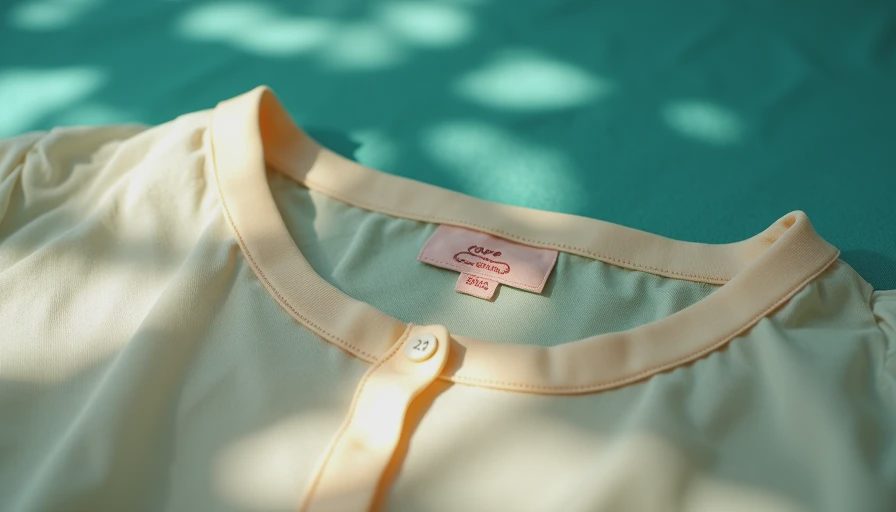
What if viscose shrinks or loses its shape?
If viscose has shrunk slightly, dampen it with cool water and lay it flat. Gently ease the garment back toward its original dimensions, working evenly along the side seams and hem. Do not pull sharply. Stretching one area can create a visible bubble or wavy seam that an alterations professional cannot always remove.
If the garment has become misshapen, inspect the construction before attempting more treatment. Look for twisted side seams, puckered hems, or a neckline that no longer lies flat. A simple knit top may recover with careful reshaping, while a woven dress with darts, a lining, or a bias-cut skirt may need professional pressing or alteration. Steam can relax minor wrinkles, but it will not reliably reverse significant shrinkage.
I once worked on a viscose occasion dress with a hem that had rippled after washing. The owner thought the fabric itself was defective. In fact, the outer layer had shrunk slightly more than the lining, creating tension at the hem. The fix required removing part of the lining, pressing the shell back into shape, and resetting the hem. The repair cost more than a careful dry-cleaning visit would have cost in the first place.
How often should you wash viscose clothing?
Less often than you probably think. If a viscose blouse was worn for a few hours over a camisole and has no odor, air it out instead of washing it immediately. Hang it in a shaded, ventilated place and let the fabric rest. Spot-clean a small mark when possible, because every wash exposes the fibers and construction to stress.
For dresses and jumpsuits, clean them after genuine wear rather than after every try-on. Perspiration, body oils, makeup, and food stains should not sit for weeks, but a brief fitting in front of a mirror does not require a full cleaning cycle. Store completely dry garments with enough room for air to circulate. Crowding can crush the drape and make wrinkles harder to remove.
Can viscose be washed repeatedly without damage? Some garments tolerate several careful washes, while others change after the first one. The difference often comes down to fiber quality, fabric weight, dye, and finishing. A blended fabric containing polyester or nylon may be more stable, but the viscose portion still deserves gentle treatment. Read the label each time you buy, not after the first laundry disaster.
A practical viscose care routine
Can viscose be washed at home safely? Use this short routine when the label permits it. First, check for dry-clean-only wording and test the dye on an inside seam. Second, turn the garment inside out and close zippers or fasteners. Third, use cool water and mild detergent, with gentle hand washing or the lowest-impact machine cycle allowed. Fourth, lift the garment with two hands, press water out through a towel, and reshape every seam. Finally, dry it flat away from heat and store it only after it is completely dry.
For expensive pieces, complicated construction, or anything with a lining, professional cleaning is the sensible choice. Tell the cleaner that the garment is viscose and point out stains before treatment. That information helps them choose an appropriate process rather than treating it like ordinary polyester.
The short answer to can viscose be washed is yes, when the label allows it and you control water, friction, heat, and weight. Treat the fabric gently, respect the garment's seams, and reshape it while damp. A careful wash protects the fit you paid for; a careless one can leave you paying an alterations bill to recover it.



No notes yet — write the first one.