If you have ever pulled on a T-shirt that felt unusually smooth, cool, and fluid against your skin, you may have wondered what fabric is modal. The short answer is that modal is a manufactured cellulosic fiber made from wood pulp, usually beech trees. It is related to rayon and viscose, but its production and finishing give it a particularly soft hand, good drape, and better resistance to shrinking than ordinary rayon.
That answer is useful, but a fiber label does not tell you everything. After altering more than 12,000 garments, I have learned to turn clothing inside out before making a judgment. The fiber matters, but so do the knit, the weight, the seams, and the care instructions. The inside tells the truth.
What fabric is modal made from?
Modal begins as cellulose, the structural material found in plants. Manufacturers generally process beechwood pulp into a solution, push that solution through tiny openings, and solidify it into long fibers. Those fibers are then spun into yarn and woven or knitted into fabric. It is not a natural fiber in the same sense as cotton, linen, or wool, because people significantly transform the raw material before it becomes a textile.
It belongs to the same broad family as rayon and viscose. The important distinction is that modal is engineered for softness, strength, and stability. High-wet-modulus modal, often identified as HWM modal, is designed to hold up better when wet. That is one reason it appears in underwear, sleepwear, T-shirts, leggings, and lightweight dresses.
You will often see modal blended with cotton, spandex, polyester, or nylon. A 95 percent modal and 5 percent spandex knit, for example, can feel sleek while recovering from stretching around the elbows and waist. A modal-cotton blend may have a little more body and a less slippery surface. The percentage tells you the recipe; it does not tell you whether the garment was cut intelligently.
How modal feels and drapes on the body
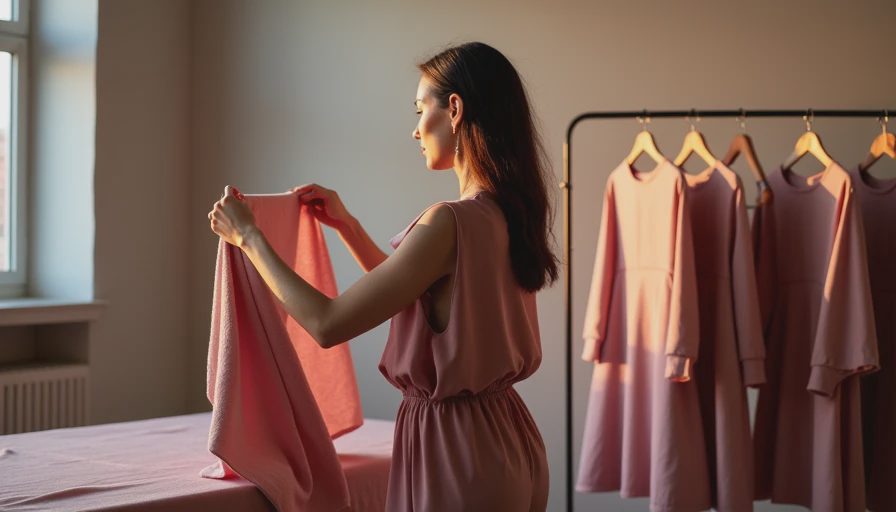
The first thing most people notice is softness. Modal has a smooth surface and a cool, almost liquid touch. It tends to skim rather than stand away from the body, which makes it comfortable under a blazer or cardigan. A modal jersey top can follow the line of the torso without feeling as stiff as a woven cotton shirt.
That drape is both its charm and its hazard. If a dress has poorly placed side seams or too little ease through the bust, modal will reveal the problem instead of disguising it. It can cling at the waist, outline a bra edge, or pull diagonally from the armhole. When I inspect a modal garment, I look for even stitching, a stable neckline, and enough fabric across the bust so the front does not drag upward.
A good modal garment should hang in a clean vertical line when placed on a hanger. If the hem twists, the side seam wanders toward the front, or the fabric looks shiny only in certain stretched areas, the issue may be knitting or cutting rather than the fiber itself. A $25 tank can be lovely if it is cut well; a $150 dress can still be a badly engineered tube.
Modal compared with cotton, rayon, and bamboo
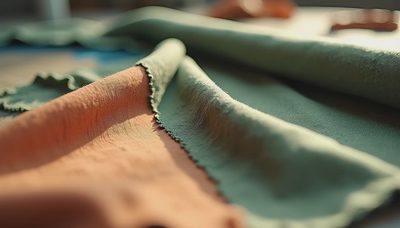
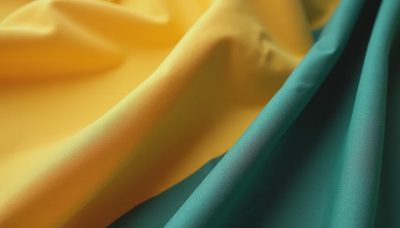
Modal is often compared with cotton because both are comfortable against the skin. Cotton usually has more natural texture and can feel crisper, especially in a woven fabric. Modal is smoother and more fluid, but it may not provide the same substantial, dry hand that people expect from a heavyweight cotton jersey.
Compared with ordinary rayon or viscose, modal often feels more stable and less prone to losing its shape. That does not make it indestructible. A thin modal knit can still stretch at the neckline or develop surface fuzz after rough washing. Rayon, viscose, and modal are all susceptible to damage from excessive heat and agitation.
Bamboo fabric deserves a careful label-reading moment. Many garments marketed as bamboo are actually rayon made from bamboo pulp. That does not make them fraudulent automatically, but “bamboo” on the hangtag does not mean the finished cloth retains the physical qualities of a bamboo plant. Modal is similarly a processed cellulosic fiber, so focus on the finished fabric’s weight, construction, and care label instead of relying on a nature-sounding word.
Is modal breathable and durable?
Modal is generally breathable and absorbs moisture well, which explains its popularity in underwear and clothing worn close to the skin. It can feel comfortable in warm weather, although breathability depends on the knit’s thickness and whether the garment includes polyester or nylon. A dense, brushed modal blend will behave differently from a lightweight single jersey.
Durability depends heavily on the garment. A medium-weight modal blend with neat seams and a little elastane can serve for years in a regular wardrobe. A very thin, loose knit may show pilling under a crossbody bag or at the underarm. Pilling is usually caused by friction, not proof that a fiber is automatically poor quality.
Look closely at the seam finish. Shoulder seams should be reinforced, especially on a loose or drapey top. Waist seams should lie flat rather than ripple. On a dress, check whether the hem is even after the fabric hangs. If the manufacturer uses a narrow coverstitch or clean serged finish and the neckline has adequate recovery, the garment has a better chance of keeping its shape.
How to wash and store modal clothing
Care for modal with less violence than you would use on a bath towel. Turn the garment inside out, wash in cool or lukewarm water, and choose a gentle cycle. A mesh laundry bag helps protect thin knits from zippers and rough hardware. Mild detergent is sensible; fabric softener is usually unnecessary because modal is already smooth.
Do not wring a wet modal dress into a rope. Press out excess water with a towel, reshape the shoulders and side seams, and lay the item flat or hang it on a padded hanger if the knit is stable. High heat can shrink, weaken, or distort the fabric, so air-drying is the safer choice. If you use a dryer, choose low heat and remove the garment while it is still slightly damp.
Ironing is rarely needed. Steam from a short distance or use the lowest appropriate setting with a pressing cloth. If the care label says dry clean, follow it, particularly for a lined garment with several fibers. The fiber name is not permission to ignore the label; construction determines how the whole piece behaves.

What to look for before buying modal
When shopping, start with the garment rather than the marketing copy. Hold the fabric up to light and check whether it is so thin that every seam allowance will show. Stretch the neckline gently and watch whether it recovers. Run your hand over the surface to notice excessive fuzz, uneven knitting, or a slick finish that appears only under tension.
Then inspect the proportions. A modal top with a slightly wider shoulder and a properly shaped armhole will usually sit better than one cut as a straight rectangle. On dresses and skirts, look for enough ease at the hip so the fabric can fall instead of catching at one point. If the piece is meant to skim the body, the side seams should remain vertical when you move.
So, what fabric is modal worth buying? Yes, when the cut suits the fabric and the seams are competently finished. It is especially useful for soft base layers, travel tops, pajamas, and dresses where fluid drape is welcome. Be cautious with very thin pieces sold at a premium simply because “modal” sounds luxurious. Touch it, inspect it, and read the care label.
The answer to what fabric is modal is not just “soft rayon.” It is a manufactured wood-pulp fiber with a comfortable hand, attractive drape, and practical strengths when blended and constructed well. Buy the garment you can inspect, not the adjective on the label. The inside tells the truth.



No notes yet — write the first one.