If you have ever picked up a blouse that felt cool, smooth, and almost liquid between your fingers, you may have wondered: what is viscose fabric like once it is actually worn and washed? Viscose is a soft, plant-derived fiber known for fluid drape, a gentle hand, and a silk-like appearance. It can make an inexpensive dress look beautifully polished, but it is not a carefree fabric. The care label matters, and the garment's construction matters even more.
I have turned more than 12,000 garments inside out during my years at the alterations table. Viscose has taught me the same lesson repeatedly: a fabric can feel luxurious in the fitting room and still need thoughtful handling at home. The inside tells the truth.
What is viscose fabric like against your skin?
The simplest answer is soft, smooth, cool, and drapey. Viscose is often made from regenerated cellulose, usually sourced from wood pulp. The raw material begins as plant matter, but the manufacturing process turns it into a fiber suitable for spinning and weaving. You may also see viscose called rayon, although rayon is a broader category and naming conventions vary by market.
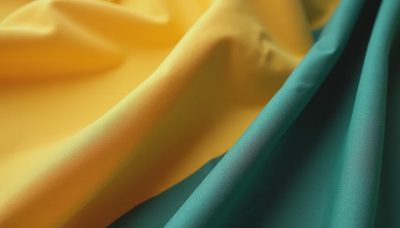
When you slide a viscose top over your shoulders, it usually does not feel crisp or structured like poplin cotton. Instead, it follows the body and settles into soft folds. That makes it pleasant for blouses, wide-leg pants, skirts, and dresses that need movement. It can also feel cooler than many synthetic fabrics because it absorbs moisture rather than simply trapping it against the skin.
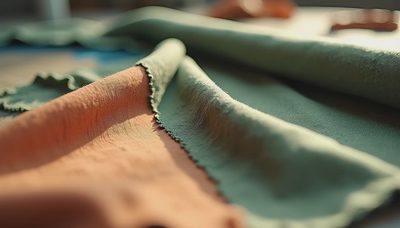
The surface may be matte, glossy, brushed, or slightly textured depending on the weave and finish. A viscose crepe feels different from viscose satin, even though both begin with the same basic fiber. One has a pebbled surface and hides wrinkles fairly well; the other reflects light and shows every crease like a witness under bright lamps.

How does viscose drape and fit?
This is where viscose earns its place in a wardrobe. What is viscose fabric like in a garment with good patternmaking? Fluid without being limp, graceful without looking stiff, and capable of skimming rather than clinging when the cut is right.
That last phrase matters. Viscose does not create shape by itself. It follows the shape built into the pattern. A blouse with a thoughtful shoulder seam, bust dart, and properly placed side seam can look elegant. A blouse cut too narrowly across the bust will pull, and viscose will advertise that problem with diagonal drag lines. No fiber can rescue a bad pattern.
At an alterations table, I look first at the grainline. If the fabric hangs unevenly from one side, the issue may be a garment cut off grain rather than your body. I also check whether the seams were stabilized. Shoulder seams, waist seams, and zipper areas benefit from suitable support because lightweight viscose can stretch or distort during sewing.
For dresses and skirts, a lining can make a substantial difference. Unlined viscose may cling to tights or catch on dry skin. A smooth lining helps the outer layer glide and gives the garment a more controlled fall. If a dress looks wonderful on the hanger but twists around your legs when you walk, the lining, hem, or grain deserves inspection.
Is viscose durable enough for everyday clothes?
What is viscose fabric like after repeated wear? That depends heavily on the weave, weight, finishing, and care routine. Lightweight viscose can be more vulnerable to abrasion than sturdy cotton or polyester. The seat of pants, underarms, and areas beneath a handbag strap receive the most punishment. A thin fabric may develop fuzzing or weakened spots there before the rest of the garment shows wear.
Viscose is also often weaker when wet. That does not mean every viscose item will fall apart in the first wash, but it does mean aggressive machine cycles are a poor idea. Twisting, high-speed spinning, and rough handling can stretch seams or leave the garment with a permanently altered shape. If a dress comes out of the washer two inches longer in front and oddly narrow at the shoulders, the fiber did not commit a mysterious crime. The laundry routine did.
Look at the garment before buying. Closely spaced stitching, clean seam finishes, secure hems, and a stable neckline are encouraging signs. Loose threads, puckered seams, and a zipper sewn directly into very thin fabric suggest trouble ahead. Price is not a guarantee, either. I have opened expensive garments with rushed construction and modestly priced pieces with sensible finishing.

How should you wash and dry viscose?
The care label is the starting point, not decorative paperwork. Some viscose garments are machine washable, while others are labeled hand wash or dry clean because of the fabric's finish, color, lining, or construction. Follow the specific instruction on the item rather than assuming all viscose behaves identically.
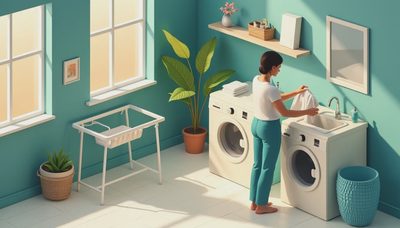
If washing is permitted, use cool water, a gentle detergent, and a low-agitation cycle. A mesh bag can reduce rubbing for a blouse or thin dress. Do not wring the garment. Instead, press out excess water and reshape it while damp. Lay it flat on a clean towel or hang it on a broad hanger if the garment's weight will not pull the shoulders downward.
High heat is usually the enemy. A hot dryer can encourage shrinkage, while a radiator or bright window can cause uneven drying or fading. Steam is often safer than pressing hard with a hot iron, but test an inconspicuous area first. Water marks and shine can appear on some finished surfaces.
A practical example: I would wash a washable viscose blouse after several wears, reshape the collar and side seams immediately, and let it air-dry away from direct sun. I would not cram it into a dryer with towels and hope for the best. Hope is not a finishing technique.
How does viscose compare with cotton, silk, and polyester?
What is viscose fabric like compared with other common fibers? It sits somewhere between natural-feeling comfort and manufactured performance. Compared with cotton, it usually has more drape and less crispness, but cotton is often easier to launder and can be more durable. Compared with silk, viscose can offer a similar fluid look at a lower price, though silk generally has a distinctive strength, sheen, and luxury feel when properly made.
Compared with polyester, viscose often feels less slick and can breathe more comfortably for some wearers. Polyester usually resists wrinkles, dries quickly, and holds its shape better. The tradeoff is that a polyester blouse may feel warmer or less absorbent. Blends can be sensible: viscose mixed with a little nylon or polyester may improve strength, while elastane can add stretch. Read the percentages rather than treating a single fiber name as a complete quality report.
Should you buy a viscose garment?
Buy viscose when you want movement, softness, and a polished drape, especially in a blouse, skirt, or relaxed dress. Inspect the seams, check the care instructions, and hold the fabric up to light to judge its weight and opacity. Try sitting, reaching, and walking before deciding. A garment that only looks good while standing still has not finished its audition.
What is viscose fabric like at its best? It is comfortable, graceful, and wonderfully responsive to a good pattern. At its worst, it is prone to distortion, cling, and disappointment after one careless wash. Choose the construction, not just the fiber label. Then care for it gently, and viscose can earn a reliable place in your everyday wardrobe.

No notes yet — write the first one.