If you have ever wondered about rayon fabric meaning while standing in a fitting room, you are not alone. The label sounds technical, but the material itself is common in blouses, dresses, skirts, wide-leg pants, and soft sweaters. Rayon is a manufactured fiber made from plant-based cellulose, usually wood pulp or another processed plant source. That makes it different from cotton or linen, even though it begins with natural material.
I have handled more than 12,000 garments at an alterations table, and rayon is one of the fabrics that teaches shoppers to look beyond the fiber name. A rayon dress can feel cool, fluid, and expensive. It can also stretch out at the neckline, shrink in the wash, or reveal every ripple underneath if the garment is cut carelessly. The inside tells the truth, as it usually does.
Rayon fabric meaning in plain English
The simplest rayon fabric meaning is this: rayon is a regenerated cellulose fiber. Manufacturers take cellulose from plants, dissolve and process it, then force the material through tiny openings to create filaments. Those filaments become yarn, and the yarn becomes fabric through weaving or knitting.
That manufacturing process is why rayon is often described as semi-synthetic. It is not a petroleum-based synthetic fiber like polyester, but it is not a naturally occurring fiber in the form used for clothing either. Cotton can be spun after the cotton boll is cleaned. Rayon requires substantial chemical processing before it becomes a usable textile.
You may see several names on a label. Viscose is a common type of rayon, while modal and lyocell are related cellulose fibers made through different processes. Bamboo rayon is still rayon, despite the appealing plant name. A garment labeled bamboo rayon has not been woven directly from bamboo strips; the bamboo cellulose has been chemically transformed first.
In practical terms, rayon is prized for its soft hand, attractive drape, and ability to take dye deeply. A rayon blouse often moves more gracefully than a similar cotton blouse, and a rayon lining can feel much less clammy than inexpensive polyester. Those advantages are real. So are the care demands.
What rayon feels like on the body
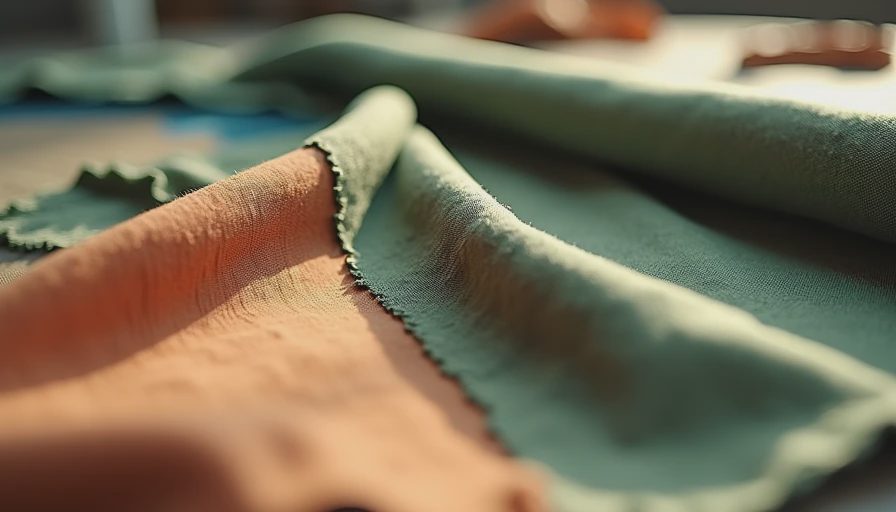
When people ask me about rayon fabric meaning, they are often really asking, “Will this feel good to wear?” Usually, yes. Rayon tends to feel smooth, cool, and light against the skin. It can resemble silk in movement without carrying silk’s price. A rayon challis dress, for example, may have a soft, liquid drape that makes a stiff cotton poplin dress look almost architectural beside it.
The weave matters enormously. Rayon jersey has stretch and a relaxed, T-shirt-like behavior. Rayon challis is lightweight and woven, often used for dresses and blouses. Rayon crepe has a pebbled surface and may hide minor wrinkles better. A rayon twill is denser and can work well for trousers or jackets, though it still needs careful washing.
Pick up the garment and let part of it hang over your hand. Good rayon should fall rather than stand away from your palm. Then pinch a seam allowance or inspect the hem. Very thin rayon can be lovely, but if you can clearly see the outline of your hand through two layers, the garment may need a lining or a slip. Thin fabric is not automatically poor quality; it simply needs thoughtful construction.
Rayon also has a tendency to show tension. If a blouse pulls across the bust, the fabric may form shiny horizontal stress lines. If a skirt is cut too narrowly through the hip, rayon will cling instead of skimming. No fiber can rescue an incorrect pattern. This is one reason I judge fit before color or label.
Is rayon good quality for clothing?
The answer depends on the garment, not just the fiber. Rayon can be excellent in a carefully cut dress with stable seams, a sensible hem, and enough ease through the body. It can be disappointing in a bargain top with twisted side seams and a neckline finished with a flimsy strip of fabric.
Turn the item inside out. Look for seams that lie flat instead of puckering. On a woven rayon garment, finished seam allowances are reassuring because the fabric can fray. French seams, serged edges, or neatly bound seams all show that someone considered durability. Check whether the hem hangs evenly. An uneven rayon hem is often caused by the fabric relaxing after cutting, and it becomes obvious as soon as you wear it.
A rayon garment priced around $35 may be perfectly useful for occasional wear, while a $150 version can still have poor construction. Price is not a substitute for inspection. I once unpicked a rayon skirt that cost more than $100 and found a waistband supported by a narrow strip of flimsy interfacing. It had stretched before the owner brought it to me. The label sounded impressive; the inside did not.
Rayon fabric meaning also includes a warning about wet strength. Many rayon types become weaker when wet. That does not mean every rayon garment must be dry-cleaned, but it does mean careless washing can distort the shoulders, lengthen the bodice, or damage the surface.
How to wash and store rayon
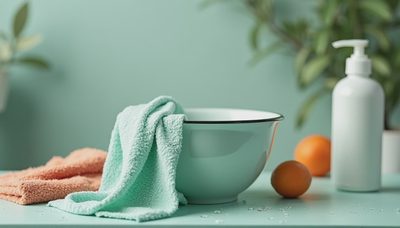
Read the care label before buying, particularly if you dislike hand washing. For washable rayon, use cool water and a gentle detergent. A mesh bag can reduce friction in a washing machine, but the safest approach for delicate rayon is hand washing with minimal agitation. Do not twist or wring it. Press out water with a clean towel, then reshape the garment while it is damp.
Drying flat is usually kinder than hanging. A wet rayon dress on a hanger can grow longer at the shoulders, leaving small bumps where the hanger sat. Avoid a hot dryer unless the care label specifically permits it. Heat can shrink rayon, and the change may not be even across the garment. Iron on a low setting from the wrong side, or use a steamer while supporting the fabric.
Storage deserves attention too. Fold lightweight rayon blouses and dresses rather than leaving them on a thin hanger for months. If you hang a heavier rayon knit, use a broad padded hanger. Keep the garment away from rough hooks and sharp jewelry; rayon’s smooth surface can snag more easily than its soft appearance suggests.
Rayon compared with cotton, polyester, and silk
Cotton is generally more forgiving, especially for everyday washing, but it can feel crisper and may wrinkle more visibly. Polyester is usually more resistant to shrinking and wrinkling, though some polyester fabrics hold heat and odor. Silk has exceptional softness and luster, but it is often more expensive and can be vulnerable to water marks, abrasion, and perspiration.
Rayon sits in an interesting middle ground. It offers some of silk’s movement and softness at a lower price, while providing a cooler hand than many polyester garments. The tradeoff is maintenance and, in some constructions, lower durability. A rayon blouse can be a smart purchase for an office wardrobe if you are willing to wash it carefully and inspect the seams before buying.
Blends can make sense. Rayon mixed with nylon may gain strength, while rayon blended with spandex can improve stretch and recovery. Rayon and linen can soften linen’s crispness, though the blend may still wrinkle. Do not assume a blend is automatically better; consider what the garment is meant to do and how often you will realistically care for it.
How to shop for rayon without regret
Start by checking the fabric weight and opacity in ordinary light. Hold the garment near a window or bright fitting-room light and look for thin patches. Next, tug gently across the bust, hip, or seat and see whether the fabric recovers. It should not remain permanently distorted after a light pull.
Inspect the neckline, armholes, and zipper area. These are high-stress points. A narrow, cleanly finished neckline is more encouraging than a stretched edge folded under once. On pants, examine the crotch seams and waistband. Rayon trousers need enough ease to move without dragging the side seams toward the front.
Finally, decide whether the care instructions match your life. If you routinely throw everything into a hot dryer, rayon is likely to become an expensive lesson. If you can wash gently, reshape, and dry flat, rayon can earn a dependable place in your closet. Understanding rayon fabric meaning lets you choose it for its actual behavior rather than for a vague promise of softness.
Rayon is neither a miracle fiber nor a fabric to avoid. It is a beautifully draping, plant-derived textile that rewards good patternmaking and careful handling. Turn the garment inside out, study the seams, and ask whether the construction supports the fabric. That is the useful version of rayon fabric meaning: know what is in your hands, then decide whether it deserves space in your wardrobe.



No notes yet — write the first one.