If you have ever touched a T-shirt that felt unusually smooth and wondered what you were holding, you have probably asked, what is modal in fabric? Modal is a soft, semi-synthetic fiber made from cellulose, usually harvested from beech trees. It sits in the same broad family as rayon and viscose, but its manufacturing process gives it a particularly soft hand, fluid drape, and reputation for holding color well.
I have turned more than 12,000 garments inside out during my years at the alterations table. Modal is one of those fibers shoppers often judge correctly with their fingertips, then misunderstand on the care label. It can feel luxurious without being delicate, but the garment's quality still depends on the knit, the sewing, and the finishing. The fiber alone is not a guarantee of a good shirt.
What is modal in fabric, exactly?
Modal begins as wood pulp. The cellulose is chemically processed into a usable fiber, then spun into yarn and woven or knitted into clothing. That makes modal a regenerated cellulosic fiber: it comes from a natural raw material, but it is not a natural fiber in the same untouched sense as cotton, linen, or wool.
That distinction matters when you shop. A label reading 95% modal and 5% spandex describes a stretchy jersey, not a piece of raw wood somehow turned directly into a blouse. Modal is commonly blended with elastane for underwear, leggings, fitted tops, and soft dresses. It also appears in pajamas, base layers, and lightweight sweaters.
The fabric usually has a cool, smooth surface and a graceful fall. Pick up a modal tank and let it hang from one corner. It will often form soft vertical folds rather than standing away from the body. That is useful for a simple dress or knit top, but less helpful when you want crisp structure.
When someone asks what is modal in fabric, my short answer is this: it is a soft, wood-pulp-based regenerated fiber that excels at comfort and drape. The longer answer is found in the construction around it.
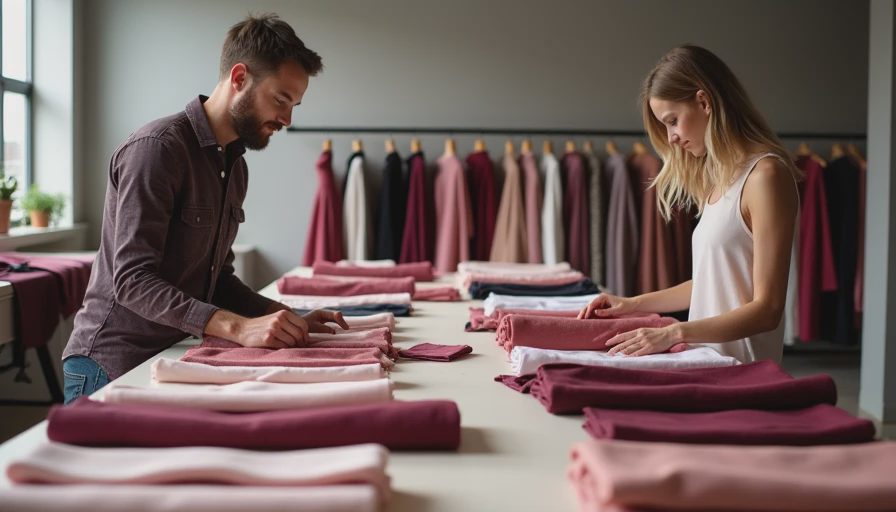
How modal feels and fits on the body
Modal is prized for softness because its fibers can be made smooth and fine. Against the skin, it tends to feel less scratchy than some low-cost wool blends and less stiff than a new cotton canvas. It also absorbs moisture better than many ordinary polyester garments, which is one reason it turns up in underwear and sleepwear.
That softness can disguise poor fit. A modal jersey may glide over the body while still pulling across the bust, twisting at the side seam, or clinging beneath the waistband. I once examined a knit dress whose owner thought the fabric was the problem. The fabric was innocent. The armhole was cut too tight, and the side seam had been sewn slightly forward. Once the dress was adjusted, the modal draped beautifully.
Look for shoulder seams that sit at the actual shoulder point, not several inches down the arm. Check that the neckline lies flat and that the side seams hang vertically. If the garment has spandex, the stretch should recover after you gently pull it. A permanently rippled hem is not a sign of luxurious drape; it is usually a sign of tension or rushed sewing.
Does modal shrink, pill, or fade?
Modal is generally more dimensionally stable than ordinary viscose, but that does not make every modal garment immune to shrinkage. Heat, aggressive agitation, and a loosely knitted fabric can change the garment's measurements. A modal top that fits perfectly in the dressing room may become shorter or narrower after a hot dryer cycle.
Pilling is also possible, especially where fabric rubs against a handbag strap, coat, seat belt, or neighboring garment. Fine fibers can break and collect into little balls. A blend with polyester may be durable, but polyester can also make pills cling stubbornly to the surface. The percentage on the label gives you clues, not a complete prediction.
Wash modal clothing according to its care label, but my practical preference is cold water, a gentle cycle, and a low-heat or air-dry finish. Reshape knits while damp and avoid hanging a heavy wet dress from a narrow hanger. The weight can stretch the shoulder area. Fold it over a broad hanger or dry it flat if the label permits.
The answer to what is modal in fabric should include this maintenance reality: it is comfortable, but comfort is not permission to abuse it. Treat the garment like a soft knit, and it will usually look better for longer.
Modal versus cotton, rayon, and lyocell
Modal and cotton are not interchangeable. Cotton can have more body and a slightly drier feel, while modal usually feels smoother and falls closer to the body. A cotton T-shirt may hold a boxier shape; a modal T-shirt may skim the torso and show more of the body's movement. Neither is automatically superior. The right choice depends on whether you want structure or fluidity.
Modal is closely related to rayon and viscose because all are regenerated cellulose fibers. Modal is often marketed as a more refined version because it can be softer and more resistant to shrinking than conventional viscose. Still, manufacturing quality varies, and the words on the label do not tell you whether the neckline was stabilized or the seams were finished neatly.
Lyocell, including branded fibers such as Tencel, is another regenerated cellulose option. It often has a slightly more substantial, cool hand and can work well in shirts, trousers, and dresses where you want movement without a flimsy surface. Modal is more commonly associated with lightweight, close-to-skin clothing.
If you are still asking what is modal in fabric compared with its relatives, think in practical terms: modal often wins for softness, cotton for familiar structure, rayon for fluid affordability, and lyocell for a more substantial drape. The actual garment can overturn all four expectations.

How to read a modal garment before buying
Start with the fiber percentage. A 100% modal top may feel wonderfully soft but could lack recovery at the neckline or hem. A blend containing 5% elastane usually offers better stretch and shape retention. For trousers or a fitted dress, inspect whether the fabric is dense enough to avoid showing every seam and pocket edge.
Next, hold the fabric up to light. A little openness is normal in a lightweight knit; excessive transparency can make the garment difficult to wear without a camisole. Run your hand over the surface and look for uneven fuzz, snags, or tiny pills before purchasing. Those are signs the fabric may already be under stress.
Then examine the inside. Are the shoulder seams reinforced? Is the neckline tape sewn smoothly? Do the side seams lie flat instead of twisting? A garment with clean stitching and sensible seam allowances is easier to alter and more likely to keep its shape. The inside tells the truth, especially when the outside is made from a soft fiber that hides shortcuts.
Is modal worth buying?
Yes, when you want a soft base layer, breathable-feeling sleepwear, a fluid knit dress, or a top that sits comfortably under a jacket. Modal is especially useful in a wardrobe built around ease rather than stiffness. It can make a simple black tee feel considered instead of disposable.
I would be more cautious with very thin modal garments priced like tailored clothing. A $28 modal camisole with tidy binding may be a sensible buy; a $180 unlined modal dress with twisting seams deserves closer inspection. Price does not prove quality. Fabric weight, recovery, seam placement, and finishing do.
Now that you know what is modal in fabric, use the information at the rack. Stretch the fabric once, inspect the seams, read the care label, and consider how it will dry in your actual household. If the garment fits your shoulders, hangs cleanly, and suits the way you dress, modal can be an excellent everyday fiber. If it only feels soft while the hem twists and the neckline collapses, leave it on the hanger. Your fingers noticed the softness; your eyes still need to inspect the work.


No notes yet — write the first one.