If you have ever pulled on a T-shirt that feels cool, smooth, and almost liquid against your skin, you have probably met modal material fabric. It is common in underwear, sleepwear, tanks, soft dresses, and elevated basics. The trouble is that a pleasant hand feel does not automatically mean a garment is well made. After turning more than 12,000 garments inside out at my alterations table, I have learned to inspect the fiber and the construction together. One tells you how cloth behaves; the other tells you how long the garment is likely to behave that way.
What modal actually is
Modal is a manufactured cellulosic fiber. That means it starts with plant cellulose, commonly from beech trees, and is processed into a soft, usable textile fiber. It is not the same thing as cotton, although both are often used in everyday clothing. It is also not a conventional petroleum-based synthetic such as polyester or nylon.
The phrase modal material fabric generally refers to a fabric made partly or entirely from modal fibers. On a label, you might see 95 percent modal and 5 percent elastane, or a blend of modal, cotton, and spandex. The elastane provides recovery, while modal contributes softness and drape. Those percentages matter more than a vague promise such as “luxuriously soft.”
Modal fibers are usually fine and smooth, so the resulting cloth tends to have a fluid drape rather than a crisp, structured shape. A modal tank will follow the body. A modal jersey dress may skim over curves instead of standing away from them. That can look polished, but it also means the fabric will reveal poor fit, lumpy seams, or an overly tight elastic edge very quickly.
How modal feels and wears
The most obvious benefit of modal material fabric is comfort. It feels smooth rather than nubby, and it tends to absorb moisture better than many basic synthetics. That makes it useful for pajamas, base layers, travel tops, and garments worn under a jacket. It also resists the stiff, papery feeling that some cotton jersey develops after repeated washing.
However, softness is not the same as durability. A lightweight modal knit can develop fuzzing where a handbag rubs against the side seam or where thighs meet during walking. This is not a moral failure on the part of the garment; fine fibers and friction simply have a conversation, and friction usually gets the last word.
Look for a fabric with enough weight to cover without becoming heavy. Hold a shirt up to daylight and gently stretch it across the bust. If the surface becomes noticeably sheer or the knit looks distorted, it may be too thin for the job. For a close-fitting top, a modal blend with cotton or a small amount of elastane often gives a more stable result than a featherweight, single-fiber jersey.
Reading the label like a seamstress
Modal material fabric can appear in excellent garments and flimsy ones. Start with fiber content, then examine the care instructions. A label that says machine wash cold and tumble dry low is easier to live with than one that demands hand washing for an $18 camisole. Modal clothing often benefits from cool water and low heat because high heat can weaken elasticity and encourage shrinkage or twisting.
Next, inspect the seams. Turn a top inside out. The shoulder seam should lie flat, and the side seams should hang straight rather than corkscrew toward the front. On a knit garment, a narrow overlock seam is normal, but loose thread tails and skipped stitches are not. At the neckline, check whether the binding is evenly attached. A wavy neckline often means the edge was stretched during sewing or the finishing was too light for the fabric.
Pay attention to hem weight as well. A very light knit with a tiny turned hem may curl after washing. A coverstitched hem or a cleanly finished wider hem usually gives the lower edge a better chance of staying flat. The inside tells the truth, particularly when the fabric itself is too soft to hide construction mistakes.
Modal compared with cotton, bamboo, and polyester
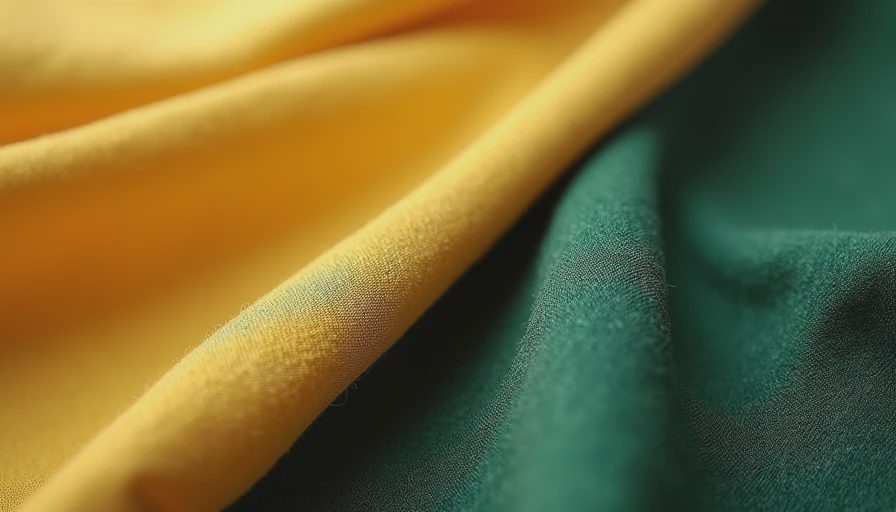
Cotton jersey usually feels more familiar and can offer a slightly drier, more substantial hand. It may shrink or lose smoothness, depending on the finish and the quality of the yarn. Modal material fabric often feels silkier and drapes more closely, making it attractive for layering and relaxed dresses.
Bamboo clothing requires a little label skepticism. Most bamboo textiles sold as soft rayon are chemically processed regenerated cellulose, not a piece of bamboo simply spun into thread. Modal is also processed, so the useful comparison is performance: softness, weight, recovery, and care, rather than a simplistic natural-versus-artificial argument.
Polyester can be very durable and colorfast, especially in athletic clothing, but it may feel warmer or less absorbent against the skin. A modal-polyester blend can improve strength and reduce wrinkling, though the final result depends on the knit and finish. There is no universally superior fiber. The right choice depends on whether you need a sleep shirt, a work blouse, a travel layer, or a dress that must hold its shape.
Where modal works best in a wardrobe
I like modal for garments that need movement and softness: camisoles, long-sleeve layering tops, underwear, pajama sets, and uncomplicated knit dresses. It is particularly useful beneath tailored clothing because smooth fabric creates less bulk under a jacket or fitted waistband. A modal tank with a properly finished armhole can disappear under a blouse instead of announcing itself at the shoulder.
For office clothing, be more selective. A modal material fabric blouse with enough weight and a stable neckline can look refined, but a thin version may cling to every seam underneath. Wear the bra and camisole you would normally use when trying it on. Raise your arms, sit down, and look at the side view. A garment that looks fine standing still can pull across the bust or ride up at the waist once you move.
For dresses, inspect the grain and the lining. A fluid knit may need a partial lining or a slip if it is pale, lightweight, or prone to clinging. Alterations can shorten a hem or adjust a shoulder, but I cannot add fabric that was never there. Buying enough coverage at the beginning is cheaper than trying to rescue a transparent dress later.
How to care for modal clothing
Wash modal garments inside out in cool water with a mild detergent. Avoid cramming them into a hot dryer. Low heat is safer, and air-drying flat or on a broad hanger helps protect shape. Do not hang a soaking-wet, heavy knit from a narrow hanger; the shoulders can stretch and leave little bumps that no amount of optimism will remove.
If pilling appears, use a fabric shaver lightly on a dry garment rather than pulling individual pills. Rotate soft tops so the same one is not exposed to daily friction. Keep rough Velcro, coarse denim hardware, and heavily textured bags away from delicate modal knits when possible.
The best modal material fabric purchase is not necessarily the softest item in the fitting room. Choose a useful weight, inspect the seams, check the recovery, and make sure the care routine suits your real life. A $35 top with balanced seams and durable recovery will serve you better than a $90 label attached to limp, twisted jersey. Turn it inside out before you buy. The inside tells the truth.



No notes yet — write the first one.