When you search for alterations near me, you are not really looking for someone who can operate a sewing machine. You are looking for a person who understands how fabric hangs, where a garment carries its weight, and which seams can be changed without ruining the shape. That distinction matters. A careful alteration can make a $60 dress look composed. A careless one can make an expensive jacket look like it lost an argument with a lawn mower.
I spent 12 years altering bridal gowns and have worked on more than 12,000 garments. The first thing I learned is simple: the inside tells the truth. Turn a garment inside out and you can see whether the tailor has respected the seam allowances, lining, grain, and original construction. Those details determine whether the finished piece will keep fitting after one wear, one cleaning, and one long day at work.
What a good tailor can actually change
A professional can usually shorten hems, adjust waistbands, take in side seams, reshape darts, narrow sleeves, alter shoulder seams, and replace zippers or linings. Some changes are straightforward. A skirt hem with a generous allowance is usually less complicated than a lined jacket with decorative stitching and a vent. A dress with separate princess seams offers more opportunities for shaping than a blouse cut from one flat front panel.
When comparing alterations near me, ask whether the tailor has experience with the exact garment in your hands. Denim, silk, wool suiting, stretch jersey, leather, and beaded formalwear all behave differently under a needle. A person who does excellent trouser hems may not be the right choice for rebuilding a structured bodice. That is not an insult; it is specialization, and specialization saves clothes.
The tailor should also explain what cannot be fixed cleanly. If the shoulders are two sizes too broad, taking in the waist will not solve the problem. If the rise of a pair of pants is wrong, shortening the inseam may only make the discomfort more obvious. Honest advice is part of the service.
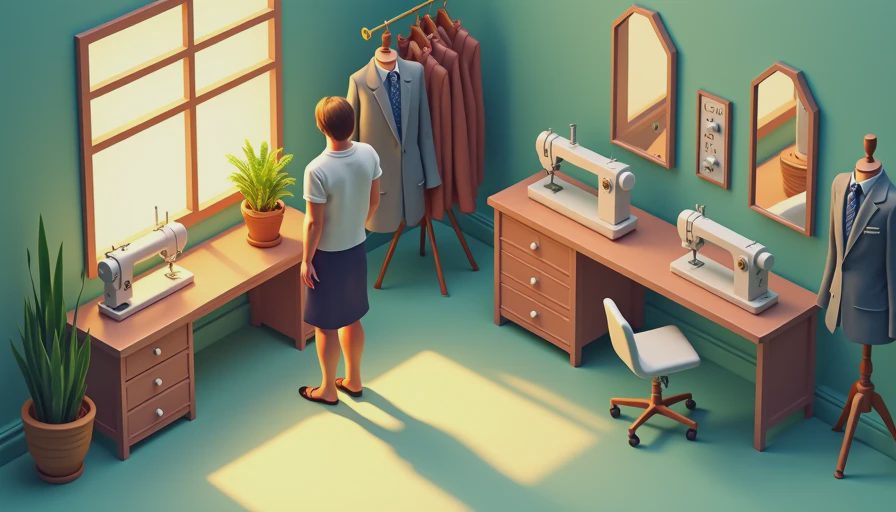
How to evaluate alterations near me before booking
Start with the fitting area. You should be able to stand naturally, walk a few steps, sit down, and lift your arms when appropriate. A mirror is useful, but a skilled fitter will also watch the fabric. Horizontal drag lines across the bust can indicate insufficient room. Diagonal wrinkles near a hip may point to balance or posture rather than a simple need to take in a seam.
Ask how measurements will be taken. A professional may measure your waist, high hip, full hip, sleeve length, shoulder width, and the distance from shoulder to hem. For formalwear, shoes and undergarments can affect the result. Bring the bra, shapewear, or shoes you expect to wear with the garment. I have seen a hem become two inches too short because someone arrived in flats for a dress intended for heels.
Look at the work already in the shop. Clean, even stitches are encouraging, but inspect the finishing too. Seams should not pucker. Lining should not pull at the armholes. A newly shortened hem should resemble the original rather than announcing itself from across the room. If a tailor rushes you through the consultation, keep looking.
What alterations cost and why prices vary
Basic hemming often falls in the $15 to $35 range for an unlined skirt or pair of pants. A lined dress, cuffed trouser, or complicated sleeve can cost $35 to $90. Taking in a jacket, reshaping a formal dress, or replacing a lining commonly runs from $75 to $250 or more, depending on construction and fabric.
Those figures are useful for planning, not for judging every quote. A $20 hem and a $65 hem may involve completely different work. The cheaper version might cut away the original hem and stitch a new one. The more careful option might preserve a vent, match the existing topstitching, remove the lining, and hand-finish the edge. Both are called hemming. They are not the same service.
Before approving work, request a written estimate and ask whether pressing is included. Clarify the pickup date, fitting appointments, deposit policy, and what happens if the garment needs a second adjustment. For valuable clothing, ask whether the shop carries insurance for garments in its care. These questions are practical, not fussy.
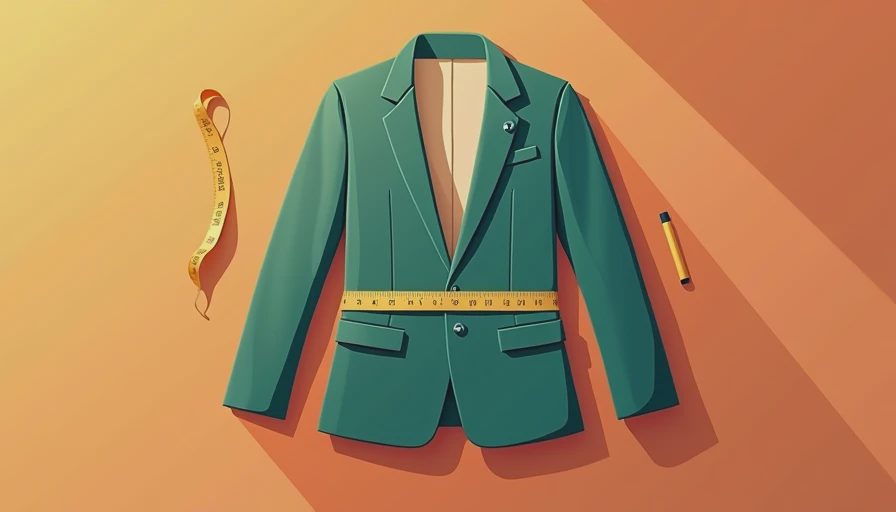
Choosing alterations near me for special occasion clothing
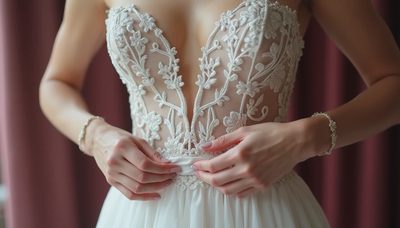
Formalwear deserves a different level of patience. Beading, lace, boning, horsehair braid, lining, and multiple skirt layers create a small engineering project. A tailor may need to remove embellishment before shortening a hem, then replace it by hand. Bridal gowns can take several fittings because the bodice settles differently once the skirt and lining are balanced.
Bring every accessory that affects the final silhouette: shoes, veil, belt, slip, or jacket. Wear the undergarments you intend to use. The fitting should include walking, sitting, and turning. A dress that looks perfect while you stand still may catch under your shoes when you climb stairs.
Do not wait until the week before an event. Many shops need two to six weeks for formal alterations, especially during spring and summer. A rush fee can add $25 to $100, and rushing a complicated garment can limit the quality of the work. Time allows the tailor to press, hang, reassess, and correct small issues that are invisible at the first fitting.
The questions I would ask at alterations near me
Ask who will perform the work. Some stores send garments to an outside contractor, while others have an in-house seamstress. Neither arrangement is automatically bad, but you should know where your clothing is going. Ask whether the person has altered similar fabrics and whether you will have a fitting before the final stitching.
Ask what seam allowance will remain after the alteration. This matters if your measurements change or if a future tailor needs room to let the garment back out. Ask whether original hems, cuffs, buttons, or decorative details can be preserved. On a vintage garment, preservation may be more important than a perfectly modern finish.
Finally, ask what the tailor notices first when looking at the garment. A thoughtful answer will mention balance, grain, lining, or the relationship between seams. A vague answer about simply making it smaller tells you enough.
Make the most of your fitting appointment
Arrive with the garment clean and pressed enough to inspect. Do not pin a hem at home unless you understand how the fabric hangs; pins placed while standing awkwardly can create a crooked result. Give the tailor a clear priority. Perhaps you need a shorter sleeve, more room through the upper arm, or a waistband that stays flat when you sit. Specific information leads to better decisions.
Try the altered garment on before leaving. Walk, sit, raise your arms, and check that pockets remain usable. Look at the seam from the outside, then ask to inspect the inside. Thread ends should be trimmed, the lining should lie flat, and the new stitching should not create ripples.
The best alterations near me are not about chasing a smaller size. They are about restoring proportion so the clothing follows your body instead of fighting it. Find someone who explains the work plainly, charges according to the construction involved, and knows when a garment should be left alone. That is how you build a wardrobe that earns its hanger space.

No notes yet — write the first one.