If you've ever stood at a cutting table wondering how much is a yard of fabric, the answer is simpler than the price tag. A yard is 36 inches long, but what you actually get depends on the width, the fiber, and the finish on the bolt. That is why one yard can be a $6 quilting cotton and another can be a $40 silk that behaves like it knows it costs more.
What a yard really means at the cutting table
A yard is a length, not a square. Most apparel and home-decor fabrics are sold by the yard, which means one 36-inch cut taken from the bolt. The bolt width matters just as much as the length. A 45-inch-wide cotton gives you far less usable fabric than a 60-inch-wide linen, even though both are sold as a yard. When shoppers compare prices without checking width, they are comparing apples to sleeves.
That is where a lot of confusion starts. A narrow fabric can look cheap until you realize you need more of it to cut a simple skirt or blouse. A wider fabric can look expensive and still be the better buy because you get more pattern pieces laid out across the width. The inside tells the truth, and fabric is no different. Hold the bolt edge, look at the selvage, and do the math before you fall in love with the number on the tag.
Why two bolts with the same price can feel miles apart
A yard of woven cotton poplin does not behave like a yard of rayon challis, and neither acts like ponte knit. Fiber content changes drape, stretch, breathability, and how cleanly the cloth accepts a seam. Cotton is easy to press and forgiving. Linen has character and wrinkles with confidence. Polyester can be perfectly serviceable when the weave is good. Silk is light, slippery, and usually more expensive because it takes more care to handle and finish.
Construction matters too. A tightly woven fabric usually lasts better than a loose weave at the same price. Finishing can raise the cost, but it can also save you from grief later. A washed linen feels softer and usually costs more than a raw one. A printed rayon with a pretty surface can still pull and distort if the weave is weak. I have unpicked enough dresses to know that a cheap-looking inside usually means the outside will not age gracefully.
What you can expect to pay by fabric type
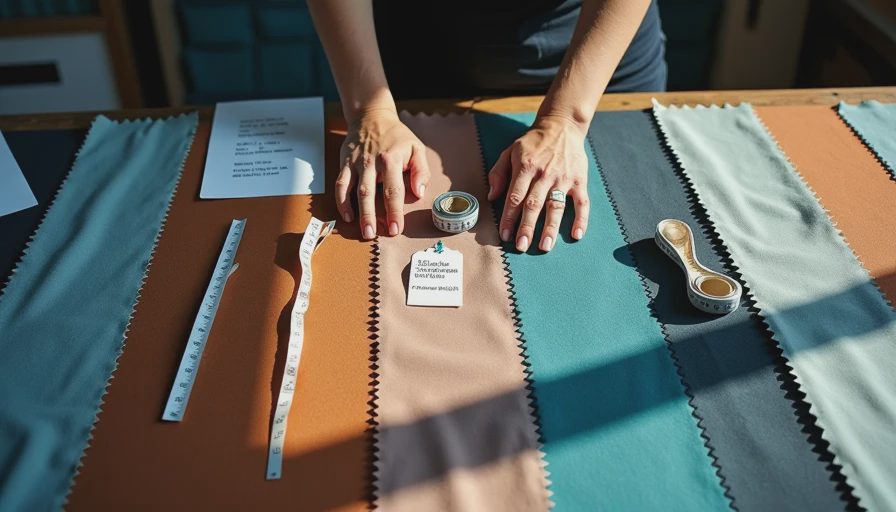
If you are asking how much is a yard of fabric at a normal retail shop, think in ranges instead of a single number. Quilting cotton often lands around $6 to $12 a yard. Basic broadcloth or poplin can sit in the $5 to $10 range. Midweight linen commonly runs from $18 to $35 a yard, and better imported linen can climb higher. Rayon challis, viscose twill, and other drapey apparel fabrics often fall between $12 and $25. Silk charmeuse, silk crepe, and similar fabrics usually start around $25 and can reach $60 or more a yard. Wool coating and specialty suiting can go higher still.
Those numbers are not trivia. They change what a project really costs. A dress pattern that needs 3 yards of $10 fabric is a different purchase than the same dress made in $28 linen. This is where shoppers get clever in the wrong direction. They buy the most beautiful fabric in the room and then discover the yardage total, shipping, and matching thread turned a modest project into a small event.
How much yardage you actually need
Price per yard only helps if you know how much you will use. A simple tank or sleeveless top might take 1.25 to 2 yards. A blouse often needs 2 to 2.5 yards. A knee-length skirt can take 1.5 to 3 yards depending on fullness. A straightforward dress may need 3 to 4 yards, and a lined jacket or blazer can swallow 4 to 5 yards before you even think about facings, lining, or matching seams.
This is where how much is a yard of fabric turns into the wrong question. The better question is how much fabric your pattern needs in the width you are buying. A 45-inch fabric and a 60-inch fabric do not yield the same layout. Directional prints, stripes, and plaid can add another half-yard or more because the pieces have to match. If the cloth has a nap, like velvet or corduroy, you often need extra so every piece runs the same direction. The pattern envelope is not trying to be dramatic. It is saving you from a return trip.
The hidden costs nobody puts on the bolt
The sticker price is only the beginning. If you buy online, add shipping. If the fabric frays easily, you may need extra yardage just to allow for trimming and clean cutting. If you plan to prewash cotton or linen, expect a little shrinkage, usually a few percent, which is enough to matter on a close-fitting garment. If the fabric is a bargain remnant, make sure the piece is long enough for your actual layout and not just a tempting stack of leftovers.
There is also the cost of time. Cheap fabric can eat you alive at the sewing machine. It twists, puckers, and behaves badly under a needle. Good fabric presses crisply, stays where you put it, and gives you a cleaner seam allowance. I would rather pay a few dollars more per yard than spend an evening fighting a cloth that should have stayed on the bolt. That is not indulgence. That is buying fewer headaches.
A simple way to shop smarter
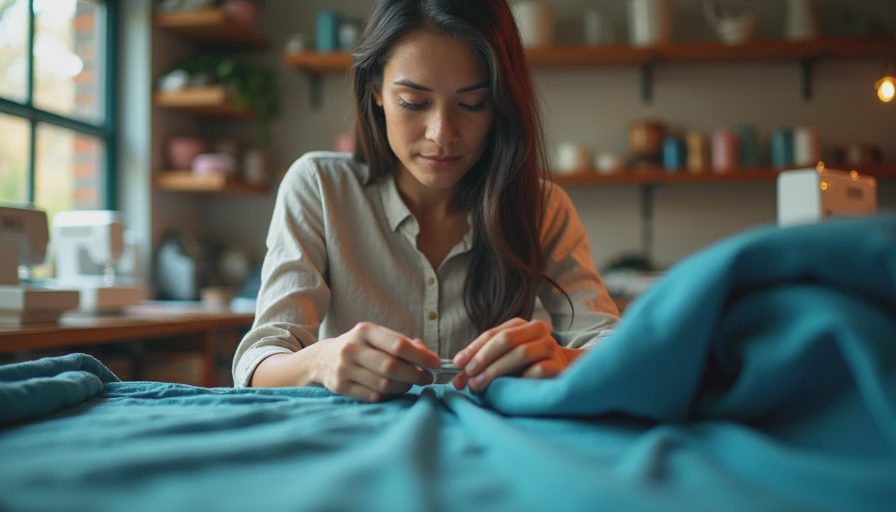
Start with the project, not the price tag. Check the pattern yardage, note the width, and write down whether the fabric needs lining, interfacing, or a prewash. Then compare the true cost of the whole job, not just the yard rate. If you are between two fabrics, hold them in your hand if you can. The one that feels stable at the edge and smooth in the body usually sews better than the prettier one with a weak weave.
If you are still wondering how much is a yard of fabric for a beginner project, buy a little more than the pattern says, especially with natural fibers or anything striped. A spare quarter-yard is cheaper than running out mid-cut. That is the kind of boring advice that saves a lot of swearing later.
A quick answer when you just need the number
People often want a single answer, and I understand that. On a budget, a usable yard might cost under $10. For better apparel fabric, $15 to $30 is common. For silk, fine linen, and wool, expect to pay more. If you are comparing fabrics across shops, judge them by width, fiber, and finish before you judge them by the number on the tag. That is the whole trick. The inside tells the truth, and fabric is no exception.


No notes yet — write the first one.