When I talk about materials in textiles, I mean the part of the garment that decides whether it skims, clings, creases, breathes, or gives up after two wash cycles. I have turned thousands of garments inside out, and the inside tells the truth. A pretty top can hide weak seams, a stiff fabric can fight a good pattern, and a cheap blend can sometimes outperform a fancy fiber if the structure is right. If you learn materials in textiles, you stop shopping by wishful thinking and start shopping by evidence.
Why materials in textiles change drape, stretch, and repair
The first thing I look at is how a fabric wants to move. Drape is not a marketing word; it is the way cloth falls from the body. Silk charmeuse slides and pools. Cotton poplin stands away a little. Wool crepe has body but still hangs with shape. That matters because the same dress can look polished or sloppy depending on whether the fabric supports the cut. The wrong material makes darts pucker, hems twist, and buttons pull. The right one lets the garment do its job without a fight.
Repair matters too. A tightly woven cotton shirt can usually take a hem or a side seam adjustment without drama. A loosely knit sweater or a delicate rayon slip dress is harder territory. At my alterations table, I learned fast that some fabrics forgive a hem by an inch and some punish you for touching them. That is why materials in textiles are not just about comfort. They are about whether the garment can be lived in and fixed later.
The fibers I trust most for everyday wear
Cotton is the familiar one, but it is not automatically the best. Good cotton breathes, washes well, and feels honest against the skin. Bad cotton wrinkles into a crumpled postcard. Linen is similar: lovely airflow, crisp texture, and a healthy disrespect for the iron. I love linen for summer because it looks better slightly rumpled than overworked.
Wool gets misunderstood because people remember itchy sweaters from childhood. Fine wool does a lot: it insulates, resists odor, and keeps shape better than many people expect. A wool trouser can outlast three trend cycles if the weave is decent. Silk is beautiful, but it is more fragile than it looks. It drapes well and takes dye beautifully, yet it needs gentle handling.
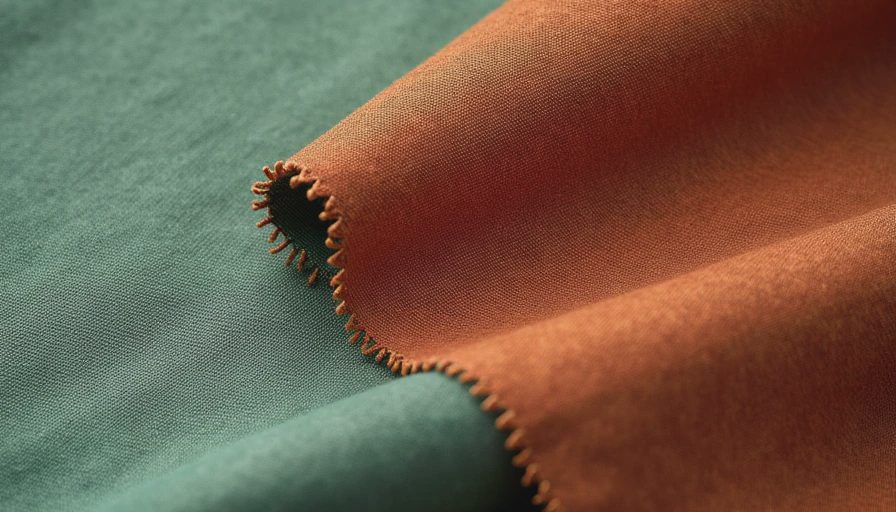
Rayon, viscose, modal, and lyocell are all worth knowing. They are not natural fibers, but they start from plant material and can mimic the soft drape of silk at a lower price. When the weave is good, they can be a smart buy for blouses and dresses that need movement.
Where synthetics earn their keep
A lot of shoppers hear polyester and stop listening. That is lazy thinking. Polyester can be excellent when it is used for the right reason. It adds durability, helps colors stay bright, and dries fast. In a structured dress or a lined blazer, that stability is useful. Nylon is another workhorse. It resists abrasion, which is why it shows up in hosiery, activewear, and bags that get knocked around.
Elastane, also called spandex or Lycra, is usually a tiny percentage, but that tiny percentage changes everything. Two or three percent can give jeans recovery, help a fitted knit keep its shape, or let a waistband move without cutting into the body. Too much stretch can feel flimsy, though. If a blouse is mostly polyester with a lot of elastane and very little structure, it can start to look tired fast.
This is where materials in textiles separate the useful from the noisy. Synthetic does not mean cheap. It means engineered. Sometimes that engineering is exactly what keeps a garment from bagging at the elbows or losing shape at the knees.
Why materials in textiles behave differently in blends
Blends are where smart clothing often lives. A cotton-polyester shirt can breathe better than full polyester and wrinkle less than pure cotton. A wool blend can soften itch and improve durability. A rayon-linen blend can keep the airy look of linen while reducing some of the sag that pure linen can develop after a long day.
The trick is balance. If a fabric is mostly one fiber but the garment is designed like it belongs to another, you get trouble. I see this with knit tops that look tailored but collapse after a few wears, or with trousers that promise polish but pull across the seat because the cloth has no recovery. The label does not need to impress me. The behavior does.
When I am deciding whether a blend is worth it, I ask three things: does it hold shape, does it breathe enough for the season, and will it still look decent after laundry day? If the answer is yes, I stop worrying about purity. Real clothes have a job.
How to read the label like a tailor
The fiber content tells you the broad story, but the construction details tell you the rest. Start with the percentage list. The first fiber listed is usually the dominant one, so a shirt that is 70 percent cotton and 30 percent polyester will act differently from a shirt that is the reverse. Then check the care instructions. If the label says dry clean only on something that looks casual, ask yourself whether the fabric is genuinely delicate or just expensive to maintain.
Look for lining content, too. A dress with a polyester shell and an acetate or polyester lining will wear differently than one with no lining at all. Lining can change opacity, structure, and comfort. It can also make or break how a skirt slides over tights. That sounds small until you have spent a cold morning tugging at a hem.
Materials in textiles are easier to understand when you read them in layers: fiber, weave or knit, lining, and finish. The inside tells the truth, and the label usually gives you the evidence if you are willing to read it.
A quick buying test before you swipe your card
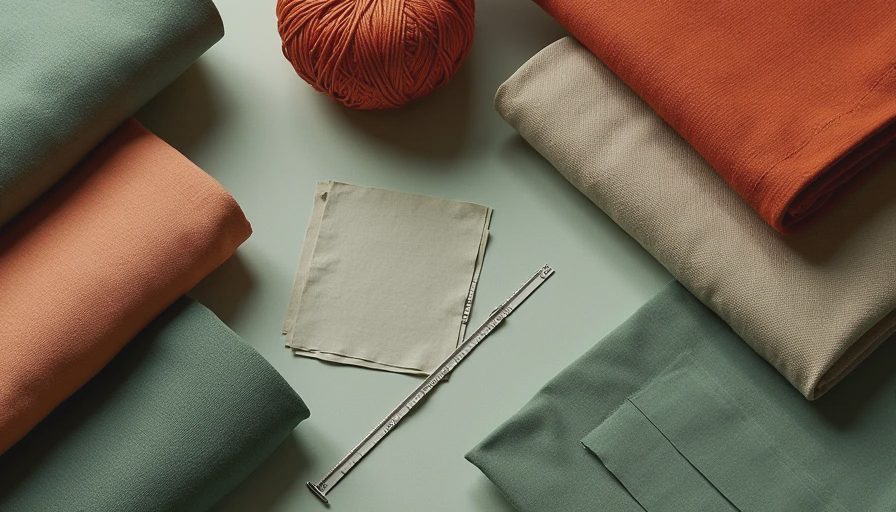
Before I buy a garment, I do a short mental check. I pinch the fabric and see whether it bounces back. I hold it to the light and look for sheerness where it should not exist. I check whether the seams are straight and whether the stitching lies flat instead of rippling. Then I imagine one wash, one sit-down, and one long day at work. If the fabric already looks defeated on the hanger, it will not improve at home.
That is the practical side of materials in textiles. Not every purchase needs to be forever clothing, but every purchase should earn its place. A good fabric supports the body, survives the season, and makes alterations possible if you need them later. A bad one asks for constant forgiveness. I know which kind fills my notebook.
If you remember only one thing, remember this: fabric is not an afterthought. It is the whole argument. Once you learn to judge materials in textiles by drape, recovery, and finish, shopping gets quieter, simpler, and a lot less disappointing.


No notes yet — write the first one.