How to Hand Sew: The Inside Tells the Truth
In 12 years of bridal alterations, I've hand-stitched more than 12,000 hems, seams, and buttons. So when a client asks how to hand sew, I put down the machine and pick up a needle. Hand sewing is not a lost art; it's a practical skill that saves money and preserves clothes. In this guide, I'll walk you through the tools, the stitches, and the repair techniques I use every day.
You don't need a sewing room or a fancy kit. Just a needle, thread, a thimble, and a few minutes. Practice is the rest. And if you're scared of a crooked stitch, remember every tailor started there.
What You Need to Hand Sew
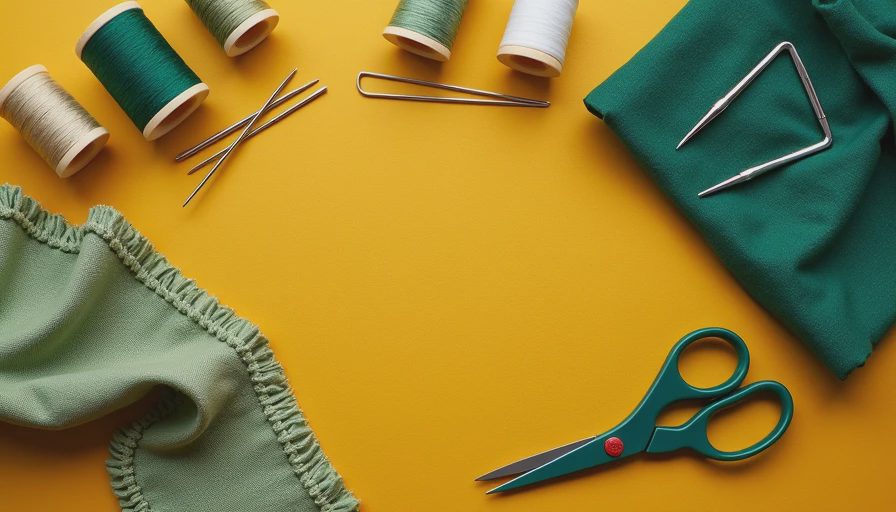
Start with a packet of assorted hand needles. For most repairs, a size 7 or 8 sharp needle is perfect. It's thin enough to glide through fabric without leaving a hole, but sturdy enough for a few layers. Spend a couple of dollars on a brand like Clover or John James; cheap needles bend. You'll also need thread. Polyester thread is strong and slightly stretchy, ideal for knits and wovens. For delicate fabrics, use silk thread. And get a thimble – your thumb will thank you.
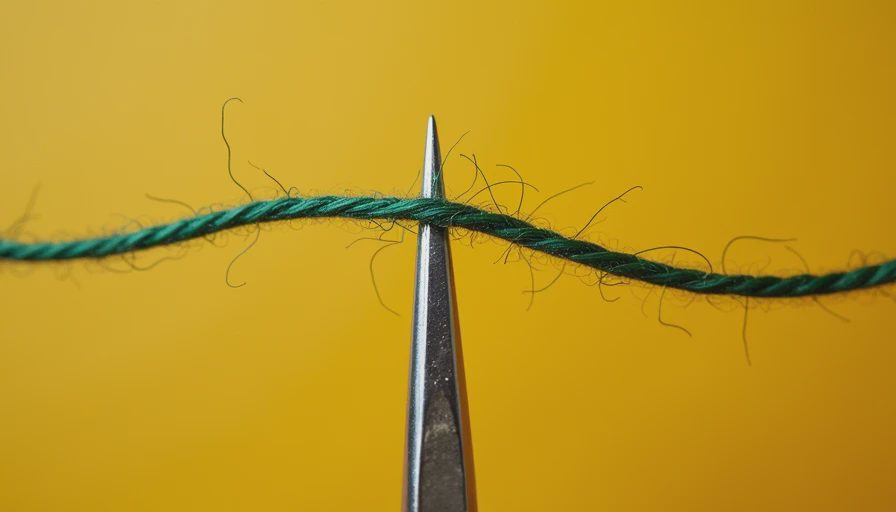
Threading a needle is the first hurdle. Cut the thread at a 45-degree angle, wet the tip, and push it through. Tie a small knot at the end. If the knot keeps popping through, use a waste knot: go in from the right side a few inches away, take a tiny stitch, and tie off on the wrong side. To make a secure tailor's knot, wrap the thread around your index finger, roll it off with your thumb, and pull the loop tight.
The Four Stitches That Fix Everything
The running stitch is the simplest: in and out, like a dashed line. Use it for basting or mending a tear that doesn't bear much weight. It's not the strongest, but it's fast.
The backstitch is the workhorse. It's the hand-sewing version of a machine straight stitch, and it's incredibly strong. Start with a knot on the wrong side, bring the needle up, then insert it one stitch length behind. Bring it up two stitch lengths ahead, then repeat. The overlap creates a solid line. Use it for seams that get pulled.
The whipstitch wraps thread over the edge of fabric. It's fast for sewing two folded edges together or attaching a patch. It can look bulky, so save it for hidden areas.
The blind hem stitch is my secret weapon. It picks up a thread or two of the outer fabric and slides through the folded hem, making the thread nearly invisible. I use it on slacks, skirts, and dresses where a machine stitch would look clunky. Work right to left, keep stitches small, and never pull too tight.
Why Hand Sewing Beats a Machine for Finishing
After 12 years in bridal alterations, I have a studio full of machines. But I still hand-sew half my finishing work. A machine stitch is unforgiving; if the fabric shifts, you get puckering. Hand stitches are elastic and move with the fabric. If one stitch breaks, the others hold. A hand-sewn button shank is stronger than anything a machine can do. A hand-finished hem drapes better. And when a seam fails, it's easier to repair if it was sewn by hand. So when you ask how to hand sew, you're learning what tailors actually use.
Practice on Something Real
The best way to learn is on a garment you actually wear. Pick a shirt with a loose button or a hem that's coming down. Press the fabric first so your folds stay put. Thread your needle, tie a knot, and start with a backstitch – even if it feels awkward. Ten minutes of practice will turn wobble into control. Soon you'll notice the difference in how your clothes look and last. And when that first repair holds, you'll be hooked. A needle threader is a small investment that saves your eyes. That's the kind of skill that pays for itself in a single repair.
Keep a Hand-Sewing Kit in Your Bag
I carry a small tin everywhere. It holds a needle case, a few spools of black, white, navy, and beige thread, tiny snips, and my thimble. It has saved me in a restaurant when a strap snapped, at a friend's wedding when a zipper gave way, and on a kayak trip when my jacket ripped. A kit doesn't need to be fancy; it just needs to be there.
The Inside Tells the Truth
Hand sewing is not old-fashioned. It's a skill that gives you control. When you can mend a hem, reattach a button, or stop a tear, you stop depending on tailors and fast fashion. You start seeing clothes differently – the construction, not just the silhouette. When you turn a garment inside out, you know if it's worth keeping.
So next time a seam splits, don't reach for the donation bin. Reach for a needle. You now know how to hand sew – and once you start, you'll wonder why you didn't earlier. The inside tells the truth.


No notes yet — write the first one.