If you shop online long enough, size 8 in europe stops looking like a clean answer and starts behaving like a translation problem. I spend a lot of time with dresses turned inside out, and the label is only the first clue. The inside tells the truth. A European 38 can be a tidy fit in one brand and a hard pass in another, because the pattern block, fabric, and seam placement do the real talking.
What the European number is actually doing
European sizes are usually based on body measurements in centimeters, but that system is not perfectly standardized across brands. A US women's 8 often lands around an EU 38, though some labels push it to a 40 if they cut roomier through the ribcage or hips. That is why I never tell a client to shop by the number alone. I want the bust, waist, hip, and garment length, because those are the measurements that decide whether a dress skims or fights.
Think of the size tag as a starting point, not a promise. A brand that drafts for a straighter figure will make a 38 feel smaller through the hip even if the waist looks right on paper. A brand that leaves extra ease in the bodice may make the same label feel surprisingly soft through the torso. When a garment seems wrong before it ever reaches the mirror, the tag is usually not the real problem. The cut is.
How I judge fit in the fitting room
When I fit a woven dress, I look first at the shoulder point, side seam, and whether the waist seam sits where a human waist actually lives. If the shoulder is off by half an inch, the whole dress can feel crooked. If the waist seam drops too low, the skirt hangs heavy and the torso looks longer than it is. If the garment has no stretch, give the bust and hip measurements more respect than the product photo.
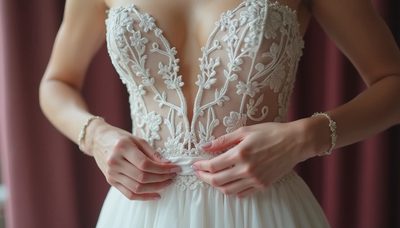
A zipper tells me a lot. If it pulls near the middle, the body is asking for more room than the pattern was given. If the lining feels tighter than the shell, someone cut corners where nobody can see them until you are stuck trying to get it on. I see this all the time in bridesmaid dresses and occasionwear. Pretty outside, stingy inside. The inside tells the truth, every single time.

Why the same label can feel bigger or smaller
A size chart only helps when you know what kind of body the brand built around. One label cuts narrow through the ribs. Another leaves more room at the hip and steals it back at the shoulder. That is why size 8 in europe can fit like a sharp 6 in one dress and a relaxed 8 in another. I have opened enough side seams to know the difference is usually not you; it is the block.
Look at the darts, too. Bust darts should point toward the fullest part of the bust, not wander off toward the armpit like they got lost on the way. Princess seams should follow the body in a clean line, not twist into a little ridge of fabric over the chest. Those small construction choices matter more than marketing language ever will. If a garment is built well, it usually behaves well. If it is built lazily, the tag becomes a guessing game.
Fabric changes the answer more than most shoppers think
Fabric changes the answer too. A ponte knit forgives a little waist fluctuation and tolerates lunch. A crisp cotton poplin does not negotiate. Bias-cut viscose drapes beautifully but can cling in the hip if the maker got stingy with ease. Satin and faille expose every bad choice because the surface is honest, which is why they can look expensive on a hanger and unforgiving on a body.
Stretch content matters, but so does recovery. A knit with a lot of give and no bounce will bag out at the elbows and seat before dinner. A woven with a bit of elastane can be a better buy because it keeps its shape after a long wear day. If you are between sizes, I would rather see a garment with a small amount of stretch and clean seams than a stiff fabric that expects the body to apologize.
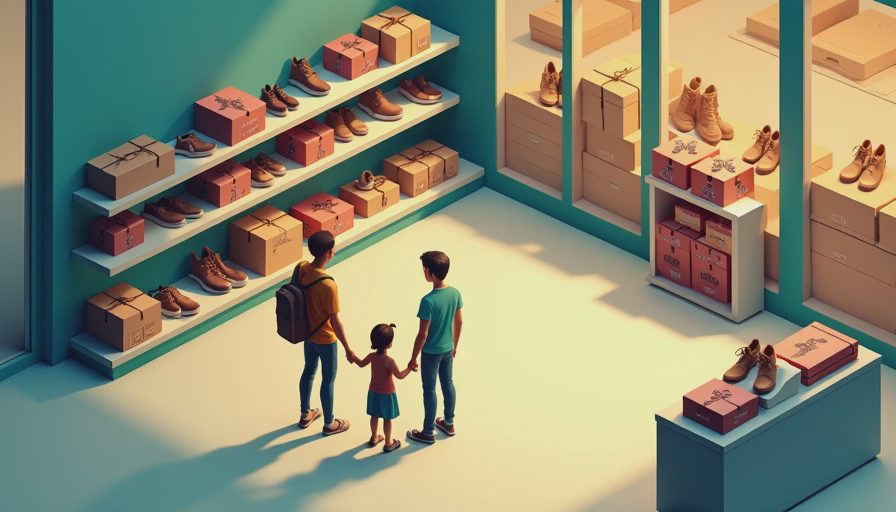
A smarter way to buy before you click add to cart
Before you order, measure yourself in the undergarments you would actually wear, then compare those numbers to the garment measurements, not just the size label. If the retailer only shows body size and not garment width, assume less mercy than the photo suggests. Read the return policy before you fall in love. A two-size order can be cheaper than one round trip of disappointment, especially if you are shopping for a fitted dress or tailored top.
If the piece has a back zipper, side zipper, or pull-on construction, that matters more than people think. A side zipper gives less forgiveness than a pull-on knit. A back zipper can be easier to tailor because the seam is usually cleaner to open and adjust. A dress with a fixed waist needs more precision than a relaxed shirt dress. This is where a lot of online shopping goes off the rails: the model is standing in a pose, while you are trying to live in the garment.
When you keep that in mind, size 8 in europe turns from a mystery into a useful clue. You stop buying the label and start buying the structure underneath it. That is the whole trick. The inside tells the truth, and your tape measure usually does too.



No notes yet — write the first one.