A kidswear size chart is supposed to save you from ordering the wrong thing, but most people read it like an age label and hope for the best. That is how you end up with sleeves that crawl up a forearm, waistbands that fold over, and pants that fit in the leg but fail in the rise. I spent twelve years taking clothes apart at the seams, and the inside tells the truth: sizing is a pattern decision, not a personality trait. If you learn which measurements matter, you can shop faster and return less.
Why every kidswear size chart looks a little different
Brand charts are not written by the same hand, and they are not built on the same block. Some companies cut roomier through the chest and seat, which is why a size 6 from one label can feel relaxed while another size 6 feels pinned to the body. Carter's, Old Navy, Gap Kids, Hanna Andersson, and Primary all tend to have their own idea of ease, and that is before you factor in knit fabric, woven fabric, or a style made for layering. Age is only a rough shortcut. Height, chest, and torso length tell you far more than a birthday ever will. The chart is a map, but the garment is the road.
Measure the body, not the birthday
When I check a kidswear size chart, I start with height and chest, not age. Height gives you the backbone of the fit, chest tells you whether a top will pull at the armhole, and waist matters most once pants or skirts use a fixed waistband instead of elastic. Use a soft tape and have the child stand relaxed, not sucked in like they are auditioning for a photo day. Write the numbers down with the date, because children are not static, even if their laundry pile suggests otherwise. If you are choosing between two sizes, the larger one usually wins for woven shirts, school uniforms, and jackets. For knit tees and leggings, the smaller size can work if the fabric has real stretch and recovery.
At my alterations table, the failures were rarely dramatic. They were practical. A shoulder seam sat half an inch too far in. A waistband was cut right, but the elastic was too short and made the child fidget all day. A hem looked fine standing still and then rode up the minute a child sat down. That is why I trust measurements before I trust age labels. The body is the body. The chart just tells you how the maker decided to translate it.
The measurements that matter most by garment type
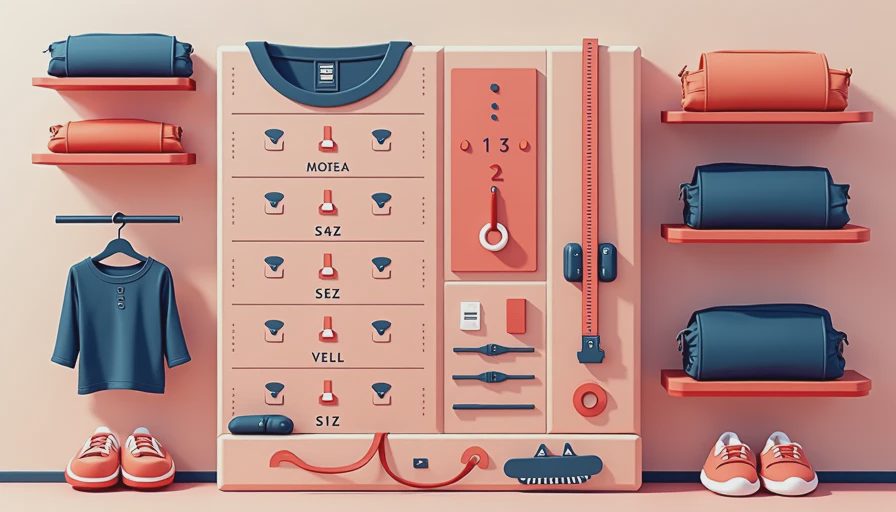
Tops live or die by shoulder width and chest circumference. If a shirt is too narrow across the chest, the front placket will tug and the buttons will pull into a slight smile, which is the garment telling you it is done. Pants are more about rise, waist, and inseam. A child can fit the waist and still hate the pants if the rise is too short and the seat is pinned. Dresses add torso length to the mix, because a bodice that looks right on paper can ride up if the waistline sits in the wrong place. The kidswear size chart is only one part of that story; the seam placement and fabric give you the rest.
For outerwear, pay attention to room for layering. A puffer with a narrow armhole will feel smaller than the chart suggests once a sweater goes underneath. For school clothes, I also look at how the seam is finished inside. If the inside is tidy, with even stitching and enough seam allowance, the maker had room to build in a little forgiveness. If the inside is skimpy and rushed, the size is all you have.
Read fabric before you trust the chart
Fabric changes everything. A cotton jersey tee behaves differently than a crisp poplin button-down, even if the measurements on paper match. Knit fabrics stretch, then spring back if the fiber blend is decent. Woven fabrics need more space because they do not give the same way at the ribs, shoulders, or seat. If a garment has 3 to 5 percent elastane, that little bit of stretch can make a size feel easier without changing the chart at all. That is why the kidswear size chart matters less than the fabric if you are comparing a stretchy legging to rigid denim.
Prewashed cotton is also worth paying attention to, because some shrinkage is still part of the deal. A plain cotton pajama set may come out shorter after the first wash, while a better knit keeps its shape longer. For sleepwear, read the product page carefully. Children's sleepwear has its own safety rules, and fit matters more there than with a regular play tee. If a brand says snug fit, that is not an insult. It is a construction choice.
Common mistakes that turn a good purchase into a return
The biggest mistake is buying by age alone. The second biggest is ignoring the cut. A slim child in one brand can wear the same numerical size as a sturdier child in another brand, but the same size may fit very differently through the armhole, crotch, or thigh. Another trap is forgetting that girls' and boys' charts often reflect different pattern shapes, not better or worse clothes. The waist, hip, and rise are simply drafted for different proportions. If the child has a long torso, the waistline may sit too high even when the chart says the size should work.
I also see shoppers miss the measurement units. Some international listings use centimeters, some use inches, and some make the chart look helpful while hiding the most important number in a tiny row below the photo. That tiny row is usually the one that matters. If you are buying shoes, accessories, or outerwear, make sure the sizing system matches the item and not just the marketing copy. The pretty picture does not sew the garment together.
A simple routine that makes online sizing easier
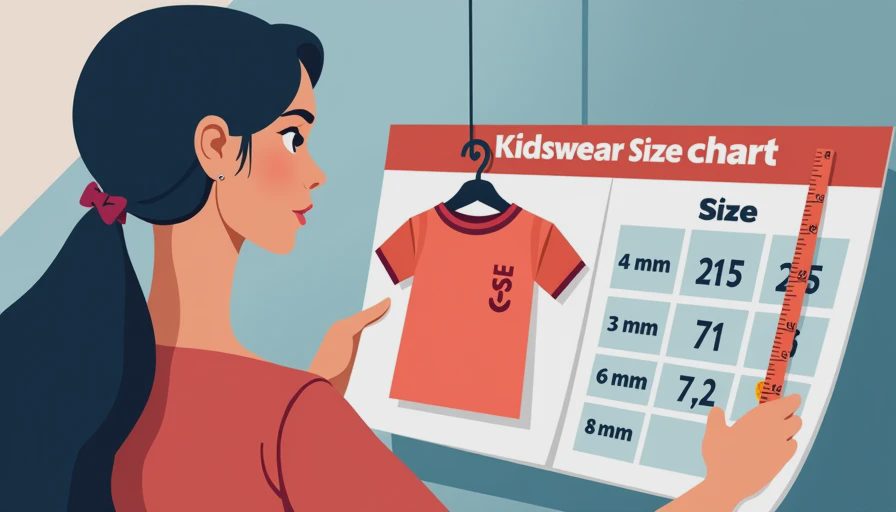
Use the kidswear size chart as your first filter, then compare the child's current best-fitting garment to the measurements on the site. A shirt that fits well at home gives you a chest width, sleeve length, and shoulder seam you can measure in two minutes. Keep those notes in your phone. If one brand's size 8 fits like another brand's 7, write it down. That little record saves money the next time you shop and stops the guesswork from coming back every season. If a return policy is easy, order two sizes in the items that are expensive or hard to alter, then send back the loser before the drawer starts filling up with almost-right clothes.
The best buyers are not the ones who memorize every chart. They are the ones who notice patterns. Once you see which brands run long, which ones are trim, and which fabrics forgive a little growth, you can shop with less drama. That is the real advantage. The inside tells the truth, and the chart is only useful when you know how to read it.


No notes yet — write the first one.