The inside tells the truth. When I look at a garment, I start with the seam allowance, the darts, and the label, because a size chart size is usually the first place shoppers get led astray. After 12,000 alterations, I can say this plainly: the chart is not the fit. It is a rough map, and some maps are drawn by committee.
A chart can be useful, but only if you know what it is measuring. A woven blouse with no stretch needs different ease than a knit tee. A pencil skirt needs room at the hip and a little forgiveness in the waist. A blazer needs shoulder width more than a number on the tag. If you read the chart as a promise instead of a clue, you end up paying shipping twice and wondering why your closet is full of almost-right clothes.
Start with the garment, not the number
Turn the item inside out in your head before you buy it. Ask what holds the shape: side seams, darts, princess seams, elastic, lining, or stretch in the fabric itself. A size chart size only matters when it is paired with construction. A structured cotton poplin shirt can feel tight across the bust even when the waist looks generous on paper. A rayon dress can look roomy online and still cling the moment you sit down.
This is where many shoppers get tripped up by vanity sizing. One brand’s 8 can fit like another brand’s 12, and neither one is lying exactly. They are using different blocks, different fit models, and different ideas of ease. That is why I care less about the number and more about the finished measurements. If the garment is meant to skim, the chart should allow enough room to breathe and move. If it is meant to hug, the construction should still let you sit, reach, and lift your arms without the buttons doing the screaming.
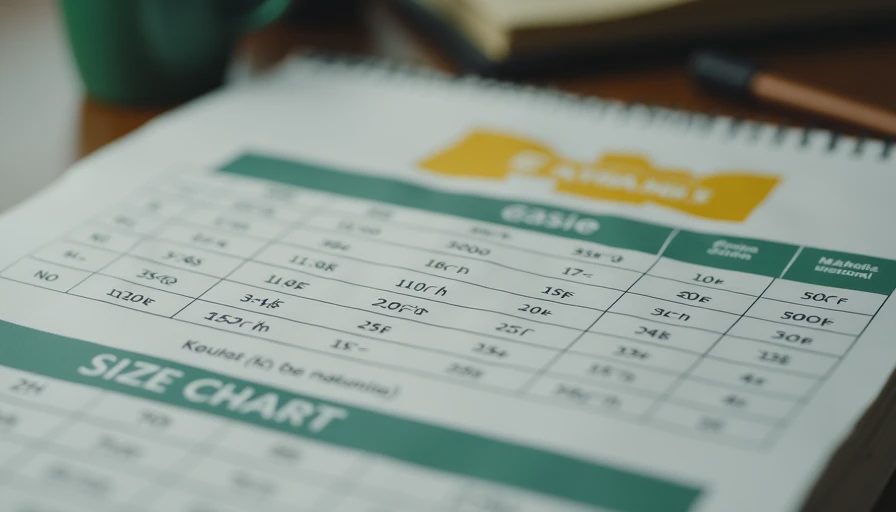
Measure the body, then compare the garment
If you want the cleanest answer, take three measurements: bust, waist, and hip. Keep the tape level and snug, not strangling. Then compare those numbers to the garment measurements, not just the body-size chart. A lot of online stores hide this information in a fit guide or a product description, and that is where the real work begins.
For woven clothes, I usually like at least 2 to 4 inches of ease in the bust and waist, depending on the silhouette. For jeans, the rise and thigh matter as much as the waist. For a dress, the shoulder width and armhole can make the difference between elegant and miserable. If you have ever worn something that fit in one spot and pinched in another, you already know the lesson: the chart is only the starting line.
A size chart size is most helpful when you compare it against a garment you already love. Measure that favorite shirt or pair of trousers flat, then look for the same finished numbers or close cousins. I do this all the time with clients who bring in a blouse they adore and a second one that rides up, gaps, or twists. The numbers tell me why one behaves and the other sulks.
When the chart and the cut disagree
When a size chart size says one thing and the cut says another, trust the cut. Shoulders are the first place to pay attention. If the shoulder seam drops too far, the whole garment can look sloppy. If it is too narrow, the sleeve pulls and the body loses its line. The same goes for armholes: too low and the dress shifts around all day; too high and you feel trapped every time you reach for a coffee cup.
Fabric matters too. A polyester blend with a little spandex will forgive more than stiff linen or dense denim. But stretch is not magic. A stretchy dress with weak seams can still bag at the knees, twist at the waist, or go shiny after a few wears. I have seen $300 garments built with such flimsy interfacing that a ten-dollar vintage blouse would have laughed at them. The inside tells the truth.

Shop like you plan to keep what fits
Here is the habit that saves money and returns: read the measurements, read the fabric content, and read the reviews for concrete clues. Ignore vague praise and look for comments about bust room, sleeve length, rise, thigh fit, and whether the piece shrank after washing. If multiple people mention the same issue, believe them. Strangers on the internet are often more useful than the product copy, which is not saying much, but there it is.
When the fit is borderline, order the two sizes that bracket your measurements instead of betting on the one the chart seems to flatter. A good return policy is cheaper than keeping a dress that needs major alteration. For basics, I usually tell clients to buy the size that fits the largest part of their body and tailor the rest. That sounds unromantic, but romance does not keep a skirt from tugging across the hips.
If you shop often, build a little personal archive. Keep notes on brands that run narrow in the shoulders, generous in the waist, or long in the rise. In six months, that private record will help more than any universal chart ever will.
A quick reality check before you click buy
Treat the size chart size as a starting point, not a final judgment. If the garment has darts that land too high, buttons that gap at the bust, or a waistband that sits in the wrong place, no number will save it. But when the measurements, fabric, and construction line up, you can shop online with a lot more confidence.
That is the part I like best. You stop buying hope and start buying shape. And shape is something you can see, measure, and, if needed, alter. The inside tells the truth.


No notes yet — write the first one.