The Frustrating Mystery We’ve All Experienced
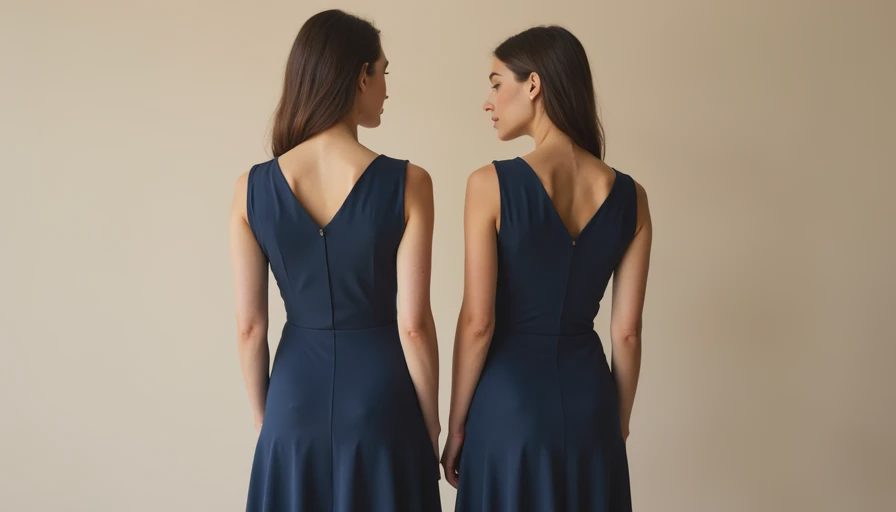
Your best friend tries on the same dress and looks amazing. You try it on and it feels like it was designed for a completely different species. Same size tag. Completely different experience.
“It must be my body,” you think. Not necessarily.
I’m Paige Sullivan, and after years of fitting real women in real bodies, I can tell you that body shape is only part of the story. Today we’re digging into the construction details that actually determine whether a garment will love you or fight you.
Beyond Basic Body Shapes
We’ve all heard the fruit metaphors — apple, pear, hourglass. They’re a starting point, but they don’t tell the whole story. Two women with similar “body types” can have dramatically different fitting experiences because of proportions most people never consider.
The real culprits are usually:
Torso length
Shoulder slope
Armhole depth and shape
Back width and posture
These details matter more than most size charts admit.
Armhole Depth: The Silent Killer
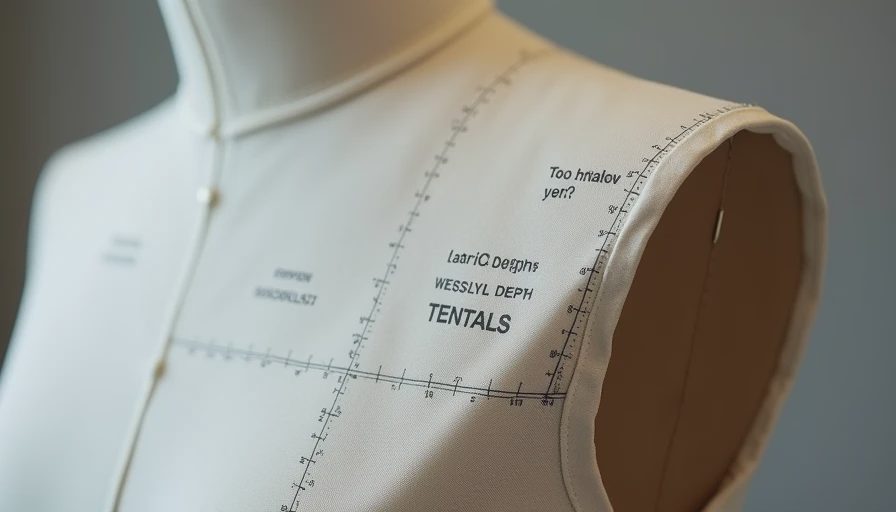
This is one of the biggest reasons a dress can look perfect on your friend and terrible on you.
Too shallow armholes: Cut into your underarm, restrict movement, create bulging.
Too deep armholes: Gap awkwardly, show bra sides, make the garment look sloppy.
The right armhole depth allows full range of motion while maintaining a clean line. When it’s wrong, nothing else about the dress will feel right no matter how much you like the fabric or color.
I’ve adjusted hundreds of armholes. Sometimes it’s the only change needed to transform a garment from unwearable to favorite.
Torso Length Matters More Than You Think
Do you have a short torso or long torso? This affects everything from where waist seams hit to how dresses drape.
A dress designed for a longer torso will bunch or ride up on someone with a shorter torso. Conversely, a short-torso dress might make a long-torso woman look like she’s wearing a cropped style unintentionally.
This is why two friends who both wear size 8 can have completely different experiences with the same dress. The size chart doesn’t measure torso length.
Shoulder Slope: The Subtle Difference Maker
Some women have straighter shoulders. Others have more sloped shoulders. Garment patterns are designed with an average in mind, but averages don’t fit everyone.
Straight shoulders: Need less shoulder slope in the pattern.
Sloped shoulders: Need more curve to avoid gaping at the neck or pulling at the shoulders.
When the shoulder slope doesn’t match your body, the entire garment shifts and distorts no matter how well it fits elsewhere.
Real Stories From the Fitting Room
I once had two close friends come in together for alterations. Same height, similar weight, same dress size. One dress looked fantastic on Friend A and terrible on Friend B. The difference? Friend B had a significantly longer torso and different shoulder slope. We adjusted the dress accordingly and both women left happy.
Another client kept buying dresses that “almost worked” but always felt slightly off. Once we identified her combination of short torso and sloped shoulders, shopping became much easier. She finally understood what to look for.
How to Diagnose Your Own Proportions
Try these simple checks:
Torso length: Where does a standard waistband naturally hit you? Too high or too low?
Armhole test: Can you raise your arms comfortably in the garment?
Shoulder check: Does the shoulder seam sit properly or slide backward/forward?
Back view: Any gaping at the neckline or pulling across the shoulders?
Understanding your unique proportions helps you shop more strategically instead of just trying on random sizes.
What This Means for Shopping
Once you know your key measurements and proportions, you can:
Rule out entire styles quickly
Focus on brands that work for your particular body
Communicate clearly with tailors about what needs adjusting
Stop blaming yourself for fit issues that are design problems
You’re not difficult to fit. You just have a specific combination of measurements that mass production doesn’t always accommodate.
The Kindness of Tailoring
Sometimes the solution isn’t finding the perfect off-the-rack garment. It’s finding something close and letting a skilled tailor make it right. Small adjustments to armholes, torso length, or shoulder slope can make an enormous difference.
Emma’s Perspective
My daughter has very strong opinions about clothes that “don’t let her arms be free.” She’s already learning to recognize when something doesn’t fit her particular nine-year-old proportions. Smart kid.
Moving Forward With Better Fit
The next time a dress looks amazing on your friend but hates you, remember this article. It’s probably not you. It’s likely a mismatch in armhole depth, torso length, shoulder slope, or some combination of the three.
Understanding these details gives you power. You can shop more intentionally. You can make better decisions. You can stop settling for “good enough.”
The inside tells the truth — and sometimes the truth is in the precise measurements that make a garment sing on your body.
You deserve clothes that fit like they were made for you. Because with the right knowledge and a good tailor, they can be.




No notes yet — write the first one.