cotton fabric gets called basic the way a white T-shirt gets called basic: because people see it everywhere and stop looking. I do the opposite. I turn it inside out. On the outside, two shirts can look alike; on the inside, one has neat seams, steady grain, and a cloth that hangs cleanly, while the other twists, pills, or goes limp after one wash. If you want clothes that sit on the body without constant fussing, it helps to know what you are actually buying. The inside tells the truth, and cotton fabric is a good place to start because it is common, familiar, and badly misunderstood.
What good cotton fabric feels like in your hands
A good cotton fabric has enough substance to skim instead of cling, but not so much heft that it feels like upholstery. When I pick up a shirt, I look at weight first, then I check how it returns after a squeeze. Poplin should feel crisp, with a smooth face and a little spring. Twill should show a diagonal line and enough drape to move with you. Jersey should recover after a stretch instead of staying bagged at the elbows. If the cloth feels papery, it often means the finish is doing the heavy lifting and will wash out fast. If it feels thick but dead, you are probably buying bulk, not quality.
The best clue is how the seams sit. Clean grain keeps side seams straight and shoulder lines honest. If the hem swings to one side before you ever wash it, the garment is already telling you it will misbehave later.
Why some shirts hang and others fight you
Cheap cotton fabric can still be sold as 100 percent cotton and behave like a cranky curtain if the weave is loose and the yarns are short. Longer fibers usually make for smoother, stronger cloth. That is why pima and Supima can feel softer without turning flimsy. Ring-spun yarn often makes the surface finer, and mercerized finishing can add a little sheen and improve dye uptake. None of that is magic. It is just construction, and construction decides whether a shirt follows the body or clings to every bump and crease.
I have seen plenty of beautiful colors ruined by weak build. The button placket pulls between buttons. The shoulder seam wanders off the shoulder. The front grows wavy after one wash cycle. That is not your fault and it is not a fit problem in the dramatic sense people like to invent. It is a fabric problem, and the fabric was never strong enough for the cut.
Which finishes earn their keep
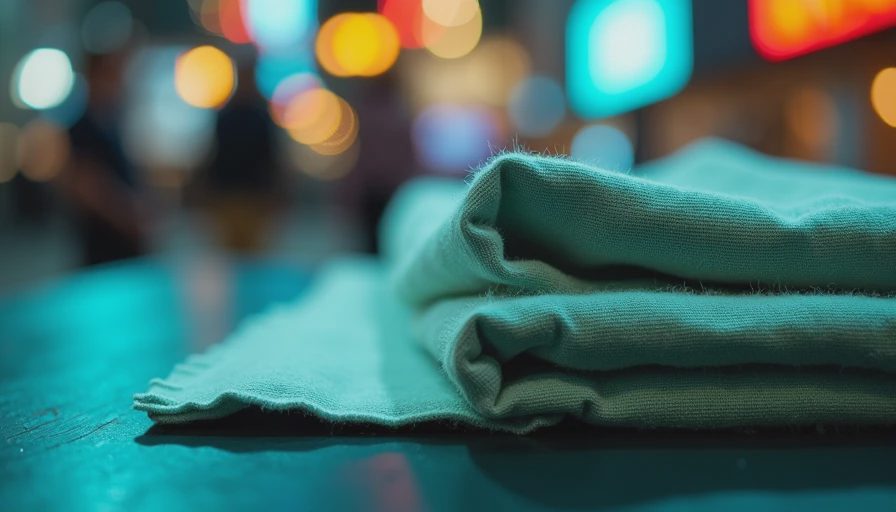
Finishes can help, but they should not rescue a weak cloth. Mercerized cotton has been treated to swell the fibers, which can make color look richer and give the surface a cleaner hand. That is useful on a dress shirt or a polished tee. Brushed cotton feels softer because the surface fibers have been lifted, which is lovely for sleepwear and casual layers, but it can fuzz faster. Peached finishes can do the same trick, only with a more velvety touch.
A finish should suit the job. If I am helping someone choose a blouse for work, I want enough polish to hold shape and survive repeated laundering without looking tired by Thursday. For weekend clothes, a little softness is welcome. I trust cotton fabric more when the garment still looks good after the first three washes, not just when it looks pretty on a hanger. A wash test is the honest one. Hot water is rude, but laundry is rude too.
The cuts that benefit most from cotton
For a button-down, I like enough body to hold a collar and enough drape to avoid cardboard stiffness. For a summer dress, a lighter weave keeps the skirt from dragging at the hem and lets it move instead of ballooning. For a T-shirt, you want enough recovery that the neckline does not collapse by lunchtime. This is where cotton fabric earns its keep: the same fiber can act polished, relaxed, or sporty depending on the weave and weight.
When I am altering clothes, I can usually tell within a minute whether the fabric was chosen for the design or just available in the right color. A good shirting cloth lets me press a collar sharp and keep a placket flat. A poor one fights the iron and rebounds into wrinkles the moment it is worn. If you want a wardrobe that looks composed, this matters more than slogans on a tag.
What I check before I buy online
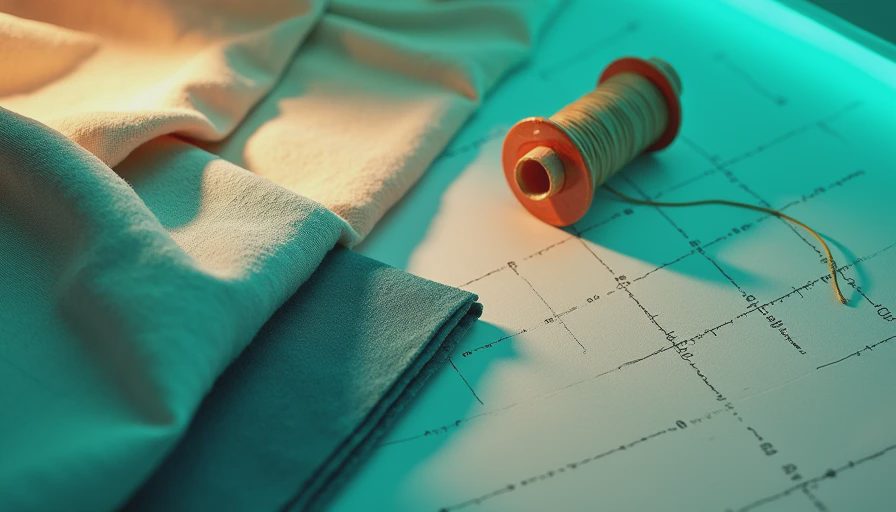
Online shopping is where good intentions go to get misled by flattering photos. So I zoom in on the product shots and look for the unglamorous details. Are the side seams straight? Does the button spacing stay even? Do the cuffs and hems look finished cleanly, or do they fray in the close-up? If the brand gives fiber content, I read it, but I do not stop there. I also look for weave language, weight, and care instructions, because those three things tell me more than a pretty model pose ever will.
Shrinkage matters too. If a garment is untreated and likely to tighten after washing, I want to know before I spend money on it. A half inch here and there may sound minor, but across a shoulder, a bust point, or a sleeve cap, it can change the whole fit. The inside tells the truth again: if the garment is cut well and finished cleanly, it usually looks that way before it ever leaves the screen.
When another fiber is smarter
I like natural fibers, but I do not worship them. There are times when another fiber is the better choice. Linen brings more texture and more wrinkling, which is fine if you want that lived-in look. Viscose can drape beautifully in a blouse. A little spandex can help a knit keep its shape. Wool does things in cold weather that cotton simply cannot. The point is to match the fiber to the job instead of treating one label like a virtue badge.
If you are buying a summer shirt you will wash often, or a crisp dress you want to hold a line, cotton still does a lot of work. If you need easy drape, less wrinkling, or more stretch, a blend might serve you better. That is not settling. That is choosing with your eyes open, which is how better wardrobes get built.
If you remember nothing else, remember this: good clothes do not just look fine on the rack. They behave well when they are worn, washed, and turned inside out. That is where the real answer lives. The inside tells the truth, and once you learn to read it, shopping gets a whole lot less random.


No notes yet — write the first one.