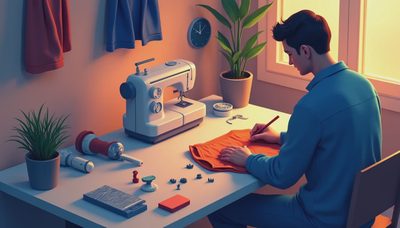
When a blouse, sweater, or dress is made from natural fibers, the first thing I check is not the label bragging about softness. I turn it inside out. The inside tells the truth. You can learn more from the seam finish, the lining, and the way the cloth hangs on the hanger than from a polished product page. After 12 years at the alterations table, I have learned that fabric is not just about feel. It changes the shape of a garment, the way it wrinkles at the elbow, and how long it will keep its manners after a long workday.
Why natural fibers drape the way they do
The basic reason clothes made from fiber that came from a plant or an animal often look better on the body is simple: the strands behave like the body does. Cotton can hold a clean line in a shirt collar. Linen has that dry, airy swing that works so well in heat, even when it creases before lunch. Wool has memory; it wants to spring back after being folded, worn, or stuffed into a suitcase. Silk falls with more fluidity, so a bias-cut skirt can skim instead of cling. None of that is magic. It is structure. Fiber, weave, and finish decide whether a garment moves with you or against you.
A lot of natural fibers get sold with a halo they have not earned. A fabric can be breathable and still flimsy. It can be soft and still shapeless. What I watch for is balance. Does the cloth have enough body to hold a shoulder line? Does it collapse at the bust seam? Does it recover after someone sits at a desk all day? Those questions matter more than the marketing words stitched into the tag.
Cotton, linen, wool, and silk are not interchangeable
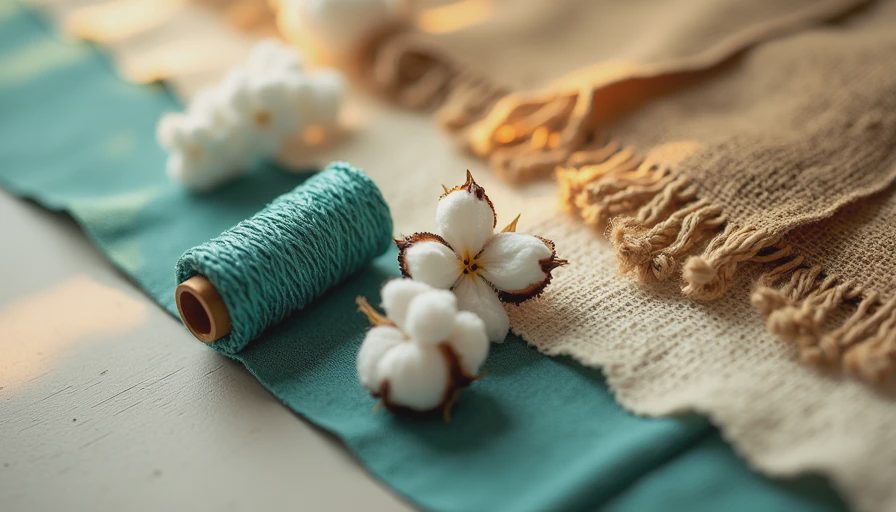
Cotton is the workhorse, but not all cotton is equal. A crisp poplin shirt feels very different from a slub tee or a brushed flannel. Poplin usually looks sharper because the weave is tighter, while a jersey knit can be comfortable but skim the body in a way that shows everything under it. Linen is brilliant for summer, but it is honest to a fault. If the cut is sloppy, linen will broadcast that fact by the second wear.
Wool is the quiet overachiever. Even a lightweight merino sweater can look polished longer than a cheaper synthetic knit because it rebounds instead of stretching out. Silk is lovely when the cut is right and maddening when it is not. A silk blouse with poor seam finishes will not hide bad construction. It will spotlight it. That is why I tell women to think about the garment first and the fiber second. The two have to agree.
What I check on the inside before I buy
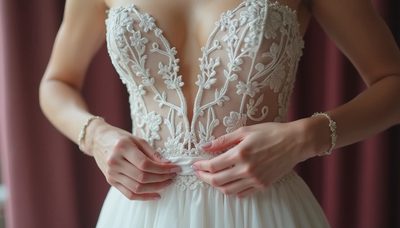
When I turn a garment inside out, natural fibers show their age differently. A decent cotton blouse will usually have even stitches, clean seam allowances, and a collar that has been stabilized so it does not curl after two washes. A well-made wool coat will have lining that lets the sleeve move without tugging at the armhole. A silk dress should not rely on flimsy finishing to keep the neckline from stretching out. If the hem is tiny, if the seams are unraveling in the fitting room, or if the fabric feels lovely but thin enough to shadow every line underneath, I make a note and keep walking.
This is where price gets interesting. I have altered plenty of expensive garments that were built like they had been rushed through a factory on a bad day. I have also seen a $78 shirt with thoughtful stitching and a smart lining choice that looked better after a year than a pricier piece from a glossy rack. The inside tells the truth, and the truth is usually visible in the first thirty seconds if you know where to look.
When a blend is the smarter buy
Not every closet problem needs a pure fabric answer. A little stretch can save a pair of trousers from bagging at the knee by noon. A small amount of nylon in a sweater can help it keep its shape. Rayon or modal can make a blouse drape more cleanly than a stiff pure fabric that refuses to move. The key is honesty. If the blend solves a real problem, it earns its place. If it is only there to make a garment cheaper, the reader can usually feel that too. It will twist, pill, or look tired long before it should.
I am not sentimental about labels. I am interested in performance. A good blend can be the right choice for travel, for long commutes, or for anyone who does not want to iron every Sunday night. The trick is to look at the percentage, then look at the construction. If the shoulders are weak, no amount of fiber talk will rescue the fit.
How to shop with fewer regrets
Start by touching the fabric, then look at where the garment will work hardest. Elbows, seat seams, underarms, and necklines are the stress points. If those areas are flimsy before you buy, they will not become heroic later. Pay attention to lining, especially in skirts, dresses, and jackets. A good lining can make a skirt hang smoothly instead of clinging where it should not. On the other hand, a heavy lining inside a light summer dress can make the whole thing feel sweaty and awkward.
At home, treat your closet the same way I treat an alteration project. Hang the garment, turn it inside out, and ask what the fabric is doing for you. If it feels good but loses its shape, note that. If it looks polished but scratches your skin, note that too. The goal is not to collect the most delicate pieces. It is to own clothes that work with your life and still look like you cared.
If you want the closet to work harder, start with natural fibers where skin, heat, and movement matter most: shirts, sweaters, dresses, and anything worn close to the body. Buy the best construction you can afford, ignore the hype, and remember my old shop rule. The inside tells the truth. When a garment is built well, you feel it before you ever read the label.


No notes yet — write the first one.