How Many Stitch Styles Are There? A Seamstress Counts the Ones That Matter
Clients ask me how many stitch styles are there almost every week. They're usually holding a garment that just came out of the fitting room, and they want to know whether the seams will hold up. Here's the honest answer from someone who has unpicked thousands of them: there are dozens of stitch styles on paper, but only about six that actually build clothes worth wearing.
The rest are novelties. A home machine's manual might list thirty decorative stitch styles — scallops, floral motifs, stretched-out zigzags for crafts and quilting. Those numbers are for hobbyists. They have very little to do with how a jacket is constructed in a factory or a bridal salon. When I answer how many stitch styles are there for real garment construction, I count six: the straight lockstitch, the zigzag, the overlock, the coverstitch, the blind hem, and the buttonhole. Everything else is a variation on one of those.
The Four Stitches That Build Everything
The straight lockstitch is the backbone of woven clothing. It's two threads locking together in the middle of the fabric, one from the needle and one from the bobbin. Nearly every seam in a button-up shirt or a tailored wool blazer is a straight stitch. A quality straight stitch is even, snug, and consistent. A poor one skips loops and wanders off the seam line within the first three inches.
The zigzag stitch matters more than most shoppers realize. It lets a seam stretch without snapping, which is why you'll find it on activewear, knit tops, and anywhere a woven edge needs to be kept from fraying. Flip a pair of good trousers inside out and you'll often see a clean zigzag finishing the seam allowance. If that zigzag is sloppy and uneven, the rest of the construction usually is too.
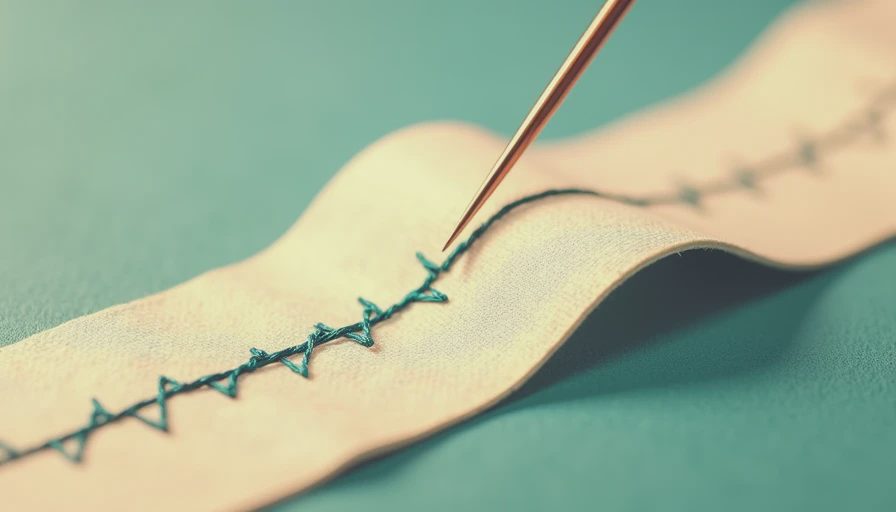
The overlock stitch is what you see on the raw edges of nearly every manufactured garment. It wraps three or four threads around the fabric edge, sealing it so it doesn't unravel in the wash. When you open up a piece of clothing and see that tidy little chain along every seam, that's an overlock. It keeps the inside of your clothes looking finished instead of ragged.
The coverstitch is the one that confuses people. It's those parallel lines of stitching at the hem of a t-shirt or the waistband of leggings. It's built to stretch with the fabric while keeping the hem flat. A good coverstitch pulls and snaps right back. A bad one ripples, puckers, or pops after a few wears. This is the stitch that separates a ten-dollar tee from a forty-dollar tee, even when the cotton feels similar in the store.
The Two Stitches That Reveal the Truth
The blind hem and the buttonhole are the ones I judge first when a garment lands on my alterations table. A blind hem is the nearly invisible stitching at the bottom of dress slacks or a skirt. The name is a polite fiction — you can always find it if you know where to look. But a well-done blind hem catches only a few fibers of the outer fabric, so it reads as almost nothing from the outside. I see plenty of pants where the blind hem grabbed too much fabric and left a visible ridge marching around the leg. The inside tells the truth, and the truth is a ridge.
A buttonhole is the real reveal. On a well-made coat, the buttonhole is dense, even, and reinforced at both ends. On a fast-fashion blazer, it's thin, loose, and likely to let the button pull through after a single season. I've replaced more cheap buttonholes than I can count. It's a five-minute fix for me, but it's also a five-minute tell that the factory didn't care.

What the Stitch Count Means for Your Shopping
So when someone asks how many stitch styles are there, the follow-up is always: which ones are in this garment, and do they show any sign that the person who sewed it cared? That's the test I run on everything. Turn the piece inside out and check the seams. Are the stitches even? Are the thread ends secured instead of dangling? Does the seam allowance look finished on purpose?
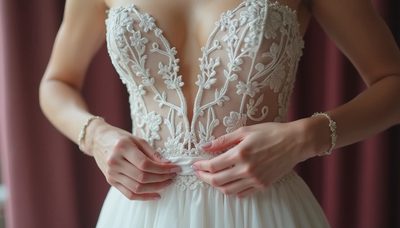
Here's a story from the alterations table. A bride brought in a gown from a respected designer — the lining was pulling every time she moved. But when I opened a seam, I found raw edges, skipped stitches, and loose thread ends, all hidden by the lining. A thirty-dollar dress from a discount rack would have shown more care. The label had cost more than the construction.
That test applies at every price point. A $120 blouse from a mall store and a $400 pair of trousers from a department store are judged the same way. The stitch count doesn't change with the price tag. It changes with the factory.
The Sixty-Second Stitch Check
Here's what I tell clients who ask how many stitch styles are there but really want to know which ones matter. In the fitting room, turn the garment inside out before you look at yourself in the mirror. Run your thumb along the seams. Look at the hem and the buttonholes. If the stitching is consistent, the thread color matches, and the inside looks as considered as the outside, that's a garment worth paying for.
The next time someone asks how many stitch styles are there, you'll have a better answer than a number from a machine manual. The answer is six that matter, and you can see them all in about sixty seconds.


No notes yet — write the first one.