The youth small size chart looks simple until you start comparing it to real bodies. I have taken apart enough hems, side seams, and waistbands to know that size labels are only useful when you understand what they measure and what they ignore. A chart is not a promise. It is a map, and some brands draw better maps than others. If you are shopping for a child, a teen, or even an adult who wears youth sizing because the proportions work better, the right chart can save you from buying something that only fits in the shoulders or only reaches the wrists. The inside tells the truth.
What matters first is the garment category. A youth tee, a youth sweatshirt, and a youth pair of pants can all be labeled small and still fit very differently. Knit tops usually have more stretch and forgiveness. Woven shirts, school pants, and structured jackets do not. That is where people get tripped up: they read the size name and skip the actual numbers. I would rather see a shopper measure once and buy with intention than order three sizes and hope one behaves. Hope is not a fitting method.
What a youth small actually covers
A youth small size chart usually sits around a chest of roughly 26 to 28 inches on the garment or a body chest in the 26 to 28 inch range, but brands do not agree on one standard. Some size charts are body measurements. Others are garment measurements. That difference matters a lot. A tee with 2 inches of ease wears very differently from a sweatshirt with 6 inches of ease, even if both are called small. Youth sizing is also cut with shorter torsos, narrower shoulders, and shorter sleeves than adult sizing, which is why some women buy youth tops for a cleaner fit in the shoulder line. The trick is knowing whether you need room, length, or both.
When I am checking a chart at the alterations table, I look at the whole shape, not just one number. A youth small in a boxy fleece can feel generous through the body but short in the sleeve. A youth small in leggings can fit the waist and still pull at the rise. That is the part shoppers miss. Fit is built in layers: circumference, length, and balance. If one of those is off, the garment can still zip or stretch on, but it will not sit right.
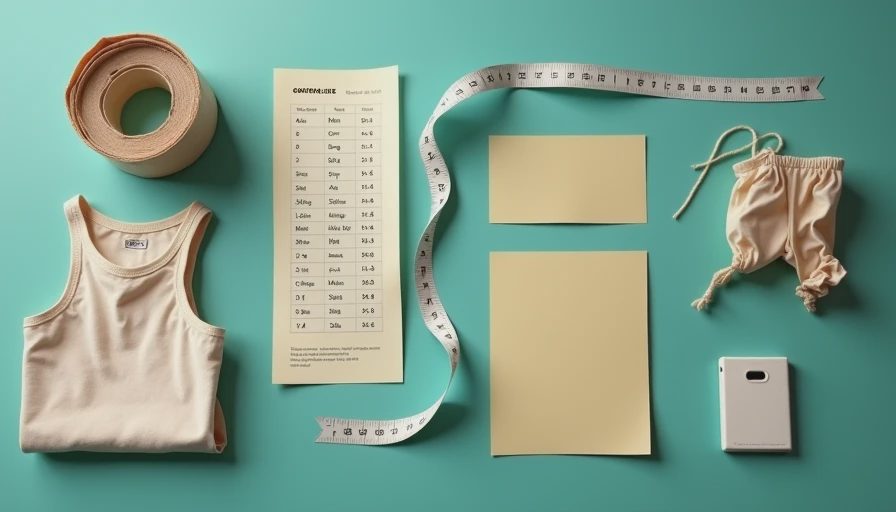
How to measure without fooling yourself
Start with the body, then compare to the garment chart. Use a soft tape and stand naturally. Measure the fullest part of the chest, the natural waist, and the hips if the garment has any shape below the waist. For pants, add inseam and rise. For tops, measure shoulder width and torso length if the seller provides it. If you are buying online, look for flat measurements too. A flat chest width of 15 inches means roughly 30 inches around the garment, before stretch. That is more useful than a vague size name.
Do not measure over a heavy sweater unless you want a roomy result. Do not guess by age, either. A 10-year-old, a petite teen, and a slim adult can all land in the same youth size for completely different reasons. Fabric content matters as much as the chart. A cotton jersey tee with a little spandex will forgive a half inch. A crisp poplin shirt will not. If the fabric is washed cotton, expect some shrinkage unless the label says otherwise. That is one of those details people ignore right up until the first wash turns a decent purchase into a crop top.
Why adults sometimes buy youth sizes
There is nothing mysterious about adults shopping youth sizes. It is often a proportion fix, not a novelty. Someone with narrow shoulders may find that a youth small lines up better across the upper back than an adult small that hangs like a borrowed raincoat. Shorter torsos can also benefit from the shorter body length. In real life, that means a youth tee can sit at the high hip instead of halfway down the thigh, which is useful if you want to tuck it without bunching. Youth sweatshirts can work nicely as layering pieces because the sleeves and body are trimmed down.
That said, the garment has to match the job. Youth bottoms often lack the rise and shaping that adult bodies need. A pair of youth joggers may fit the waist and still ride low in back. Youth jackets can be fine if the shoulder width is right, but the armhole and sleeve cap may feel too shallow for broader arms. This is where construction matters more than wishful thinking. If a garment has darts, princess seams, or a shaped waist, it is trying to follow the body. If it is cut like a rectangle, it will behave like one.

Common mistakes that make the chart look wrong
The biggest mistake is treating every small as equal. One brand’s youth small can be another brand’s extra small with the tags cut differently. The second mistake is ignoring stretch recovery. A shirt can stretch on beautifully and still bag out by noon if the fabric has weak recovery. The third mistake is forgetting that seam allowances, hems, and linings change the feel. A lined skirt with a stiff waistband needs more room than the size chart suggests because the inside structure does not yield much.
Another common error is trusting the smallest number and not the longest point. A top may fit the chest and still pull at the shoulders. Pants may fit the waist and still cut across the seat. If you only compare one measurement, you are shopping with blinders on. I would rather a reader buy a garment that is a little roomy and easy to tailor than one that is perfect on paper and wrong in motion. Clothing should move when you sit, reach, and bend. If it does not, the chart was only telling part of the story.
A simple buying habit that saves returns
Before you click buy, compare three things: the chart, the fabric, and the return policy. If the chart is body-based, compare your body measurements directly. If it is garment-based, compare the flat measurements to a piece you already like. If the fabric has stretch, note the percentage and where it is used. Then ask one practical question: will this garment still work after one wash and a full day of wear? That question has saved me from plenty of mistakes, both at home and in the fitting room.
I also like to read customer photos for proportion, not style. Ignore lighting and mirror poses. Look at shoulder placement, sleeve length, hem length, and where the waist actually lands. That will tell you more than a polished product shot ever will. A good youth small size chart is useful, but only when you treat it as one piece of evidence. The inside tells the truth, and the outside usually follows.
When the chart is not the whole answer
If you are stuck between sizes, start with construction. A tee with side seams and a little elastane can often handle the smaller size. A woven shirt with no stretch usually needs room for comfort through the chest and back. For pants, the rise is often the dealbreaker. A youth small size chart may tell you the waist, but it will not tell you whether the crotch length is long enough to sit correctly. That is why two garments with the same tag can feel miles apart.
When I was altering bridal gowns, I learned fast that labels flatter the garment more than the body. Youth clothing works the same way. Measure the actual piece, check the fabric, and look for shaping where it matters. If you do that, you will buy less, return less, and end up with clothes that sit where they should. That is the whole game.



No notes yet — write the first one.