If you are trying to decode size 12 in euro, the short answer is that it usually maps to a European 42 in women’s clothing. The longer answer is that the tag is only a starting point. I have opened up enough hems and side seams to know that a number on the label tells you very little about the way a garment will sit on a real body. The inside tells the truth. If the shoulder is cut narrow, the bust is flat, or the fabric has no give, a 42 can feel like a small 42 and a 12 can wear like two different animals depending on the maker.
When size 12 in euro becomes a 42
On most mainstream conversion charts, size 12 in euro lands at a 42. That is the clean answer shoppers want, and it is useful when you are scanning a product page with one eye on the clock. It is also where the trouble starts, because European sizing is not one single ruler. A German or French brand may follow a different house fit than a mass-market label, and some retailers round up or down depending on whether the piece is meant to skim the body or sit close.
In practice, I treat the number as a clue, not a promise. A tailored blazer labeled 42 often has less forgiveness in the shoulders and arms than a knit dress in the same size. A pair of trousers can run truer at the waist and still be tight through the hip if the rise is shallow. If you shop online, the safest move is to compare your measurements to the garment chart, not to your last successful purchase. That one sweater from last winter may have stretched out, and the dress with a forgiving waist may have spoiled you.
The useful habit is simple: look at bust, waist, and hip, then check how much room the garment actually allows. If the chart gives a 42 but the finished measurements barely beat your own body by an inch, expect a close fit. If you like a little breathing room, you want more ease than that.
Why the same number fits differently from brand to brand
This is where I start turning garments inside out in my head. The construction changes everything. A woven blouse with bust darts and a side zipper will fit very differently from a stretchy rib knit top in the same size range. One depends on pattern shaping; the other leans on fabric recovery. Good stretch can forgive a less exact chart. A limp woven fabric cannot.
Seams matter too. Princess seams can contour the body nicely, but only if the bust and waist were drafted with actual curves in mind. A straight side seam on a boxy cut will not suddenly become flattering because the label sounds European. Shoulder seams are another giveaway. If they sit too far in or too far off the point of the shoulder, the whole garment feels wrong, no matter what the size tag claims.
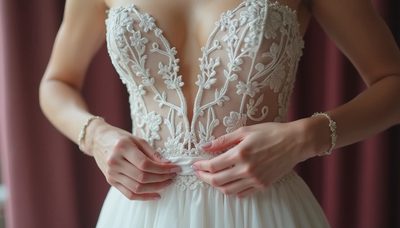
This is why two dresses both labeled as a 42 can land miles apart in real life. One may be cut for a narrow upper body and fuller hip. Another may have a relaxed torso and a shorter rise. I have seen brand charts that were perfectly sensible and garments that ignored them completely. The inside tells the truth, and sometimes the truth is that the patternmaker assumed the customer was built like a diagram, not a human being.
The measurements I check before I trust the tag
If I were helping a friend shop for size 12 in euro, I would start with the measurements that actually control fit. Bust is the first one, because it affects whether buttons pull, whether darts sit where they should, and whether a dress closes without strain across the chest. Waist comes next, but only after you know where the garment thinks your waist is. On a high-rise trouser, that may be very different from your everyday jeans. Hip matters most when the fabric is woven or the skirt is slim, because there is nowhere to hide.
Then I look at shoulder width, sleeve length, rise, and torso length. Those are the measurements people forget, and they are the ones that create that subtle feeling that a piece is almost right but not quite. If the armhole is too tight, you will fight the garment all day. If the rise is too short, trousers will drag in the wrong places. If the torso is too short, a blouse will yank open when you reach for a coffee mug.
For online shopping, I like a tape measure and a flat surface. Measure a shirt you already love, then compare those numbers to the posted garment measurements. That is more useful than guessing from the model photo, because the photo does not tell you how much ease is built in at the side seam.
Where shoppers get tripped up
The most common mistake is assuming every European 42 is built the same way. It is not. A structured Italian jacket can feel smaller than a soft jersey dress from a French brand, even if both sit in the same neighborhood on a size chart. Another trap is confusing body size with garment size. Your body does not have to match the chart exactly to wear the piece well; the garment just needs enough room in the right places.
Shoppers also get tangled up in vanity sizing and wishful thinking. A label can flatter the ego and still miss the body. That is why I care more about the seam placement than the number. If the side seam twists forward, if the zipper strains, or if the fabric pools in odd folds, the size is wrong for that cut even if the tag sounds familiar.
When you are between sizes, fabrics with stretch tend to be kinder, but stretch is not magic. It can smooth a close fit; it cannot rescue a badly drafted shoulder or a too-short rise. If you have to choose, buy for the widest measurement that matters most, then tailor the rest.

If you are between sizes, do this first
Start with the garment type. For a knit top or sweater, I would worry less about a perfect number and more about drape and recovery. For a blazer, coat, or structured dress, I want the biggest stubborn measurement to fit without pulling. That usually means bust, upper arm, or hip, depending on the piece. After that, you can often take in the waist, shorten sleeves, or hem a skirt for a reasonable price.
A basic hem might run $15 to $30 in many U.S. shops. Taking in a waist can land higher, especially on lined garments or anything with a zipper. That is still cheaper than buying three almost-right pieces and wearing none of them comfortably. If you already know your trouble spots, you can shop with them in mind and save yourself a lot of return labels.
When the chart still misses
Some garments are simply built to fit a different shape, and no amount of optimism changes that. If the bust fits but the hip does not, or the waist fits but the shoulder is off, do not talk yourself into it because the tag says the right thing. Try the next size only if the garment gives you room to adjust the other areas. Otherwise, move on and find the cut that respects your measurements.
That is the real lesson behind size 12 in euro: the conversion matters, but construction matters more. Once you start reading fabric, seams, and ease the way a tailor does, shopping gets calmer and returns get fewer. And if a piece still seems mysterious, turn it inside out in your mind. The inside tells the truth.



No notes yet — write the first one.