I spend a lot of time turning clothes inside out, and the first thing I look for is the story the garment is telling underneath. If you are trying to make sense of size 20 waist in inches, start there too. The number on the tag is only a rough promise. The inside tells the truth: where the waistband is anchored, whether the side seams were cut straight or curved, and whether the fabric has any patience for a real body after lunch. A good fit is never just about the label. It is about how the garment sits, moves, and recovers when you sit down, bend, and breathe.
What size 20 waist in inches usually means
In women’s ready-to-wear, size 20 waist in inches usually lands somewhere around 38 to 40 inches, but there is no single national standard that forces every brand to agree. One label may cut a size 20 with a 37-inch waist and more room in the hip. Another may build it closer to 41 inches and expect stretch to do some of the work. That is why two racks can both say size 20 and fit like different species of pants.
When I measure a garment at the alterations table, I never trust the tag first. I check the actual waistband measurement, the rise, and the fabric content. A woven pant with no stretch can feel tighter than a knit pair with a smaller number on the chart. The cut matters as much as the circumference. If the waistband is stiff, the fly is short, or the midsection is cut low, the number alone will not tell you much.
If you shop online, treat the size chart like a map, not a verdict. The best charts list the waist at the garment level and sometimes the body measurement the brand had in mind. When those two are the same, I get suspicious. Clothes need a little ease or you end up fighting the zipper every time you sit down.
How to measure your waist so the number is useful
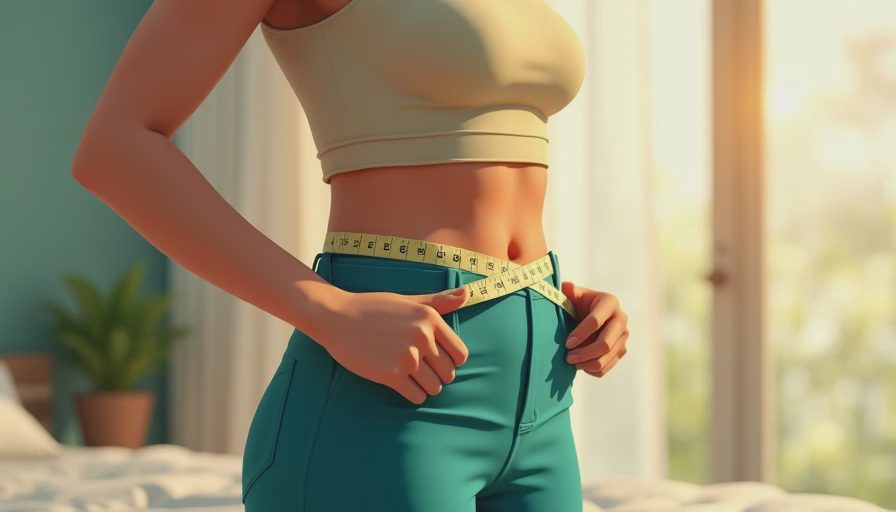
Take a soft measuring tape and stand in front of a mirror. Find your natural waist first, which is usually the narrowest part of your torso, not always where jeans try to sit. Wrap the tape level all the way around, keep it snug but not compressed, and exhale normally. Do not suck in. I have seen more self-deception with a measuring tape than with a bad sales pitch.
Measure twice: once at your natural waist and once where the garment actually sits. High-rise jeans, tailored trousers, and fitted skirts all land differently on the body. A mid-rise pant may care more about the lower measurement, while a dress with a defined waist seam cares about the higher one. Write both numbers down. If you only keep one measurement in your head, it will be the wrong one the minute you order something with a different rise.
Why one waistband can feel tighter than another
A waistband is not just a strip of fabric. Inside, you may find interfacing, stay tape, facing, darts, and seam allowance that all change how the waist behaves. A cheap waistband often folds under pressure because the inner layer is too soft or the stitching is too skimpy. A better one holds its shape without digging. That is why two pants with the same stated waist can feel miles apart.
Stretch also changes the story. Denim with 2 percent elastane will usually forgive a little more than rigid cotton twill, but only if the recovery is decent. If the fabric bags out after one wear, the number on the label becomes a moving target. I also watch the back yoke and the seat. A waistband can be technically large enough and still feel wrong if the seat is pulling it downward or the crotch curve is too shallow.
This is where I start mentally deconstructing the garment, because the inside tells the truth. If the side seams are twisted, the waist will never sit flat. If the darts are placed for a straighter torso than yours, the fabric will either gape or clamp. Fit problems rarely start at the tape measure alone. They start with construction.
What to expect when you shop
If you are comparing pieces from different brands, expect the same body measurement to wear differently in jeans, trousers, skirts, and dresses. A waistband on jeans is usually built to stay put and can feel firmer than a soft trouser waist with a hidden hook-and-bar. A pencil skirt may fit the waist but pinch the hips. A shirtdress can skim past the waist and still look polished because the fabric is carrying the shape instead of the seam.
For online shopping, I look for three clues before I commit. First, the fiber content, because a little stretch can make a huge difference. Second, the rise, because a high-rise pant changes the effective waist point. Third, customer photos, because they often show whether the waistband is running small, true, or generous. If a brand is inconsistent, I make notes in my own little garment notebook. That habit has saved me more returns than I can count.
Alterations that solve real waist problems
If the body measurement is right but the garment still feels wrong, alterations can help a lot. Taking in a waistband at the center back is often a straightforward fix, and so is removing a little from the side seams if the pocket placement allows it. Depending on construction, a simple waist reduction might run about $20 to $60, while a more involved waistband rebuild can cost more. That is still cheaper than buying three bad replacements and pretending they are good enough.
There are limits, though. If the hip is far larger than the waist, a flat waistband may fit the waist and still strain everywhere else. If the rise is wrong, no amount of side-seam squeezing will make the pants comfortable. I have seen plenty of women blame their bodies for a problem created by a poor pattern. Usually the pattern is the guilty party.
A simple fitting test before you buy
Before you keep a pair of pants, sit down, stand up, and pin the zipper area with your fingers for a moment. If the waistband bites when you bend, the issue is not just the number on the tag. Check whether the top edge stays level across your back and whether the front gapes when you move. If the hemline shifts because the waist is fighting the seat, walk away or plan on alterations.
If size 20 waist in inches is the number on the chart, use it as a starting point and not a promise. Compare the brand chart, the rise, and the fabric, then decide whether you want structure or forgiveness. That is the practical part nobody puts on the shopping page. If you want a second opinion, bring the measurements to a good fitter before you order two sizes and hope for magic. I do that kind of decoding for clients all the time, and it saves money fast. The inside tells the truth.


No notes yet — write the first one.