When you search for a tailor shop near me, you are usually solving a very specific problem: the waist fits, but the hips do not; the sleeves swallow your hands; or a dress hangs beautifully on the hanger and oddly on your body. A good tailor does more than remove fabric. They study how the garment was built, how you move inside it, and where the pattern needs to change. After twelve years and more than 12,000 garments altered, I can tell you that the right alteration often costs less than replacing a nearly perfect piece.
The first question is not whether a shop is close. It is whether the person working on your clothes understands construction. A rushed hem is easy to spot, but a poorly placed dart or over-tightened side seam can change the entire balance of a garment. The inside tells the truth, and that is where an experienced tailor starts.
What a Good Tailor Looks at First
At a reputable tailor shop near me, or anywhere else, your consultation should begin with questions rather than a pin cushion. The tailor should ask how you want to wear the garment, whether you need to sit, reach, walk, or layer underneath it, and what bothers you about the current fit. Those details affect the solution.
For a dress, the tailor may inspect the shoulder seam, bust darts, waistline, zipper, lining, and hem before suggesting work. A blouse that pulls across the bust might need a larger size through the chest and a reduction elsewhere, not simply a bigger dart. Trousers that wrinkle beneath the seat may need the back rise adjusted, while trousers that twist at the knee can point to a balance problem.
Bring the shoes and undergarments you expect to wear with the garment. A two-inch difference in heel height changes the hem of a pair of wide-leg pants. A structured bra can change the position of a bodice seam. These are small physical details, but clothing is made from small physical details.
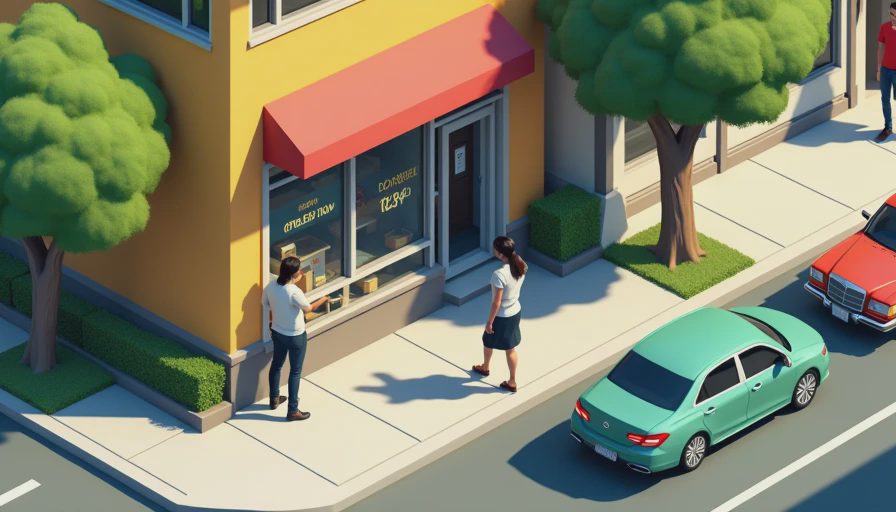
Ask to see examples of finished work if the shop handles complex alterations. You do not need a formal portfolio, but you should see clean hems, even topstitching, smooth zippers, and patterns that line up at seams. If the tailor refuses to examine the garment before naming a price, I would keep walking.
Alterations Worth Paying For
A tailor shop near me becomes valuable when it can correct proportion, not just shorten a sleeve. Common worthwhile alterations include hemming pants, adjusting a waistband, tapering a jacket, shortening sleeves, raising a shoulder, and taking in a dress through the side seams. These jobs can turn an almost-right garment into one you reach for every week.
More involved work includes reshaping a bodice, replacing a zipper, adding a lining, moving a neckline, or rebuilding a waistband. Prices vary by fabric and construction, but a basic hem often falls around $15 to $35, while a jacket sleeve or complicated dress adjustment can run $40 to $150 or more. Beaded fabric, silk, leather, multiple layers, and unusual finishes require additional time.
A good tailor should explain what can be changed and what cannot. Shoulder width is one of the most difficult areas to alter because it affects the armhole, sleeve, and balance of the whole garment. A tailor shop near me that promises to fix every issue instantly is giving you a sales pitch, not a fitting assessment.
How to Prepare for Your Appointment
Before visiting a tailor shop near me, try on the garment in natural light and identify the actual problem. Is the waistband loose, or is the fabric pulling because the hips need more room? Does the sleeve feel too long, or is the shoulder sitting too low? Stand normally, then sit and move your arms. A garment that only looks right while you are standing like a mannequin is not finished fitting you.
Wear a close-fitting top for a jacket fitting and bring the shoes you will wear with pants or a formal dress. Avoid bulky sweaters unless layering is the purpose. If you want a looser or more structured result, say so plainly. Tailors can read wrinkles, but they cannot read your mind.
During pinning, notice whether the tailor marks the garment with care. Pins should follow the intended seam, not stab randomly through the fabric. For hems, the tailor should check the finished length from several angles. You should also receive a completion date and a written or clearly stated estimate.
Questions to Ask Before Leaving the Garment
A short conversation can prevent an expensive misunderstanding. Ask whether the alteration will preserve the original hem, lining, cuff, or decorative stitching. If the answer is no, ask what finish will replace it. Original details often matter because they are difficult to recreate exactly.
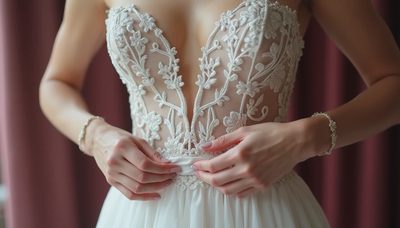
Ask whether the garment will be basted or pinned for a second fitting. This is especially important for bridal gowns, formal dresses, fitted jackets, and expensive fabrics. Some simple jobs do not require another fitting, but complex reshaping should not be completed on a single guess.
It is also reasonable to ask who will perform the work. Some shops accept garments at the counter and send them elsewhere. That is not automatically a problem, but you deserve to know. When you compare a tailor shop near me with another nearby option, compare the consultation, communication, and proposed method rather than choosing only by the lowest price.
Signs the Work Is Properly Finished
When you collect the garment, inspect it before removing the tags or leaving the shop. Put it on and move naturally. Sit in a chair, raise your arms, and walk a few steps. Look for smooth fabric without diagonal strain lines. The hem should hang evenly, and the lining should not peek below the outer fabric.
Turn the piece inside out. Seams should be secure, with no loose threads, puckering, or visible damage from pressing. A zipper should lie flat. A waistband should sit smoothly rather than folding over. On a patterned garment, checks or stripes should meet as closely as the original construction allows.
If something feels wrong, describe the physical problem instead of apologizing. “The left sleeve twists when I bend my arm” gives useful information. “I am not sure” does not. A professional should want to correct a genuine fitting issue, particularly when the alteration differs from what was discussed.
Finding Your Best Local Option
Search results for a tailor shop near me are a starting point, not a final recommendation. Read recent reviews for details about workmanship, communication, and complex alterations. Look for photographs of finished garments, but remember that a polished storefront does not prove careful sewing. Ask coworkers, friends, or a local dry cleaner which alteration specialists they trust.
Visit two shops if the garment is valuable or emotionally important. Compare how each person handles the fabric, explains the limitations, and talks through the cost. A tailor who immediately suggests cutting may be less thoughtful than one who spends five minutes examining the seam allowances.
The best tailor shop near me is not necessarily the closest one or the cheapest one. It is the place where someone can tell you why the garment is pulling, what can be unpicked, and how the finished piece will behave on your body. That knowledge is what you are paying for.
The Fit Is the Point
Clothing should support your day, not require constant tugging and adjusting. A properly altered jacket lets you move without collapsing at the shoulder. A skirt stays level at the waist. A dress follows your shape without clinging at every seam. Those improvements are quiet, but you feel them every time you get dressed.
When you find a tailor shop near me that listens carefully and handles your clothes with respect, keep its information. Save the receipt, note the tailor's name, and remember which adjustments worked. Your measurements and preferences become more useful over time, especially for repeat alterations.
You do not need a closet full of new clothes to look polished. Sometimes you need a better hem, a balanced shoulder, or two inches removed from a sleeve. Find the person who understands the difference, and let the garment tell the truth.


No notes yet — write the first one.