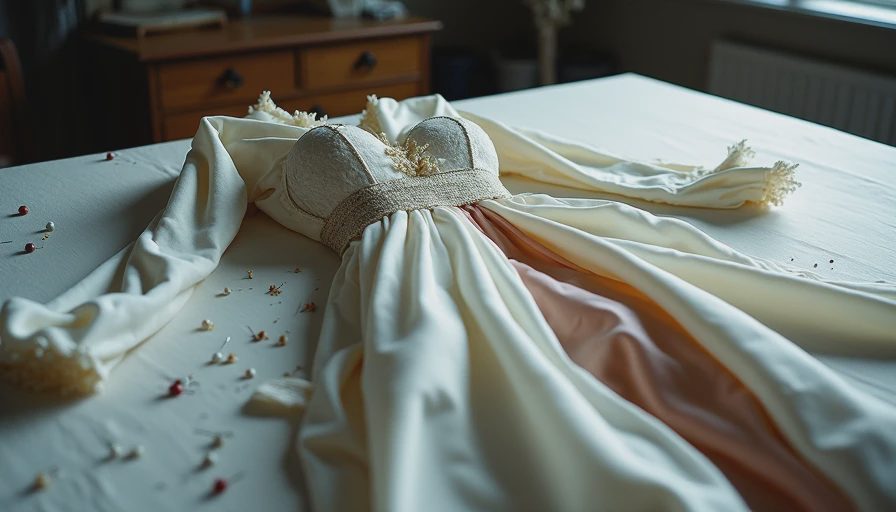
The Gown That Looked Like a Dream
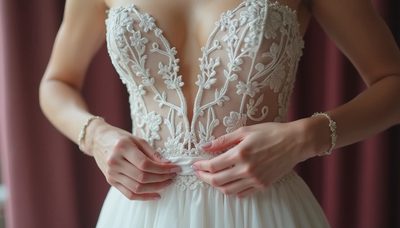
She walked into the boutique carrying the most beautiful gown I’d seen that season. Delicate lace, perfect beading, a silhouette that seemed designed by angels. The price tag matched the fantasy.
Two hours later, I had the dress turned completely inside out on my table, and I was staring at one of the worst construction disasters of my career.
I’m Paige Sullivan. This is the story of the bridal gown that had four different linings — and almost zero actual quality.
When Pretty Outside Meets Chaos Inside
The bride had spent thousands on this “designer” gown. From the outside, it was flawless. From the inside? A completely different story.
As I began the alterations assessment, I kept finding more problems:
Four completely different lining fabrics used in various sections
Some linings were cheap polyester that didn’t match the drape of the outer lace
Others were stiffer than necessary and created bulk
Seam allowances were barely existent in critical areas
Boning was attached with the cheapest possible methods
Multiple areas showed signs of rushed factory work
It looked like the manufacturer had used whatever scraps were lying around as long as the outside looked impressive.
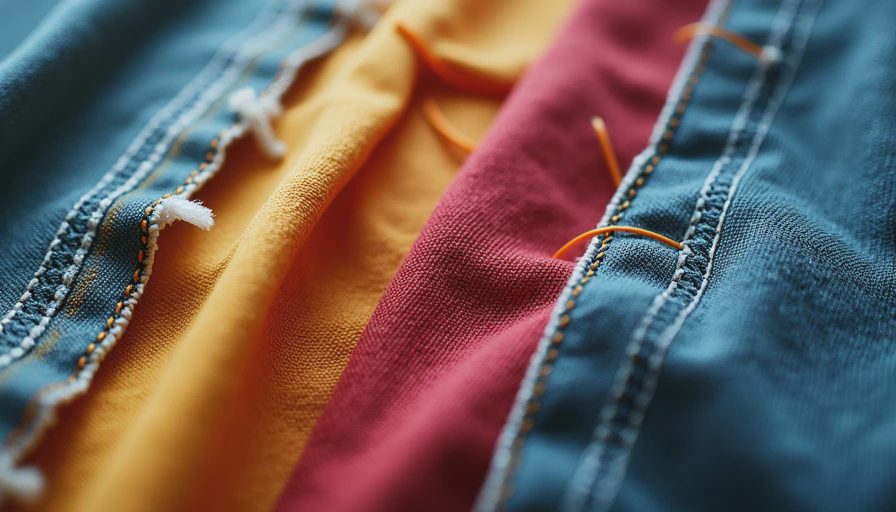
The Anatomy of a Beautiful Disaster
This wasn’t just bad luck. It was a series of deliberate cost-cutting decisions:
Mismatched Linings — Different fabrics in the bodice, skirt, and sleeves created inconsistent movement and drape.
Inadequate Support — The internal structure couldn’t support the weight of the beading and lace long-term.
Poor Seam Finishing — Edges that would fray with any real wear.
Rushed Construction — Stitching that wouldn’t hold up to the stress of a wedding day (dancing, sitting, emotional hugging).
I’ve seen this pattern repeatedly over twelve years. The more expensive the exterior appearance, the more likely some manufacturers are to cut corners where customers can’t see.
What I Had to Do
We ended up basically rebuilding large portions of the internal structure. I replaced entire lining sections, reinforced seams, and added proper support where it was missing. It took significantly more time than a normal alteration because I was fixing problems that should never have existed in a gown at that price point.
The bride looked stunning on her wedding day. But I was exhausted — and angry on her behalf.
The Pattern I’ve Seen Too Many Times
This wasn’t an isolated incident. I’ve encountered:
$6,000 gowns with $200 worth of actual construction quality
Designer labels hiding mass-production shortcuts
Beautiful exteriors built on foundations of poor thread and minimal reinforcement
The lesson is clear: Price and appearance are not reliable indicators of quality. You have to look inside.
Lessons for Everyday Clothes
You don’t have to be buying wedding gowns to apply this knowledge. The same principles apply to your work dresses, blazers, and special occasion pieces.
When evaluating any garment:
Flip it inside out
Check how many different fabrics are used internally
Feel the weight and quality of the lining
Look at seam allowances and finishing
Test how the layers move together
If the inside looks like an afterthought, the garment probably won’t age gracefully.
What I Wish Every Woman Knew
You deserve better than beautiful disasters. You deserve garments that are as well-made on the inside as they are on the outside.
This doesn’t always mean spending more money. Sometimes it means choosing different brands, investing in alterations, or simply learning to recognize quality construction before you buy.
Emma and the “Fancy Dress Test”
My daughter has started asking to see the inside of fancy dresses when we shop. She calls it the “secret test.” Smart girl. I hope she grows up expecting clothes to be honest both inside and out.
The Takeaway From That Chaotic Gown
That bridal gown taught me to be even more vigilant about construction quality. It reinforced my belief that the inside tells the truth — sometimes the truth is disappointing, but knowing it saves you from bigger problems later.
If you’re shopping for something special, take the time to look inside. Your future self (and your tailor) will thank you.
And if you ever find yourself with a beautiful disaster, know that a good alterations specialist can often perform miracles. But prevention is always better than rescue.
Here’s to better-made clothes — inside and out.


No notes yet — write the first one.