A youth size chart looks simple until you bring home two sizes that both seem close and neither really works. In my alterations studio, that is where the trouble starts: sleeves hang past the wrist, pants twist at the knee, and waistbands gape because a child is built like a child, not a miniature adult. When you understand the chart, you stop guessing from age alone and start shopping from the body in front of you. The inside tells the truth.
What the numbers are really telling you
A youth size chart is only useful if you know what it measures. Most brands build youth sizing around height, chest, waist, and sometimes hip, but the emphasis changes by garment. A school polo wants chest room. Joggers care more about waist and inseam. A structured jacket cares about shoulder width and sleeve length, which is why a size that looks right on paper can still pull across the back.
I always tell clients to ignore age first. Eight-year-olds and ten-year-olds can be built very differently, and plenty of older kids still fit a smaller size in one brand and a larger one in another. That is not a flaw in the child. It is the quiet mess of retail sizing. If the chart gives a height range, treat it like a fence line, not a destination. If the body falls between two sizes, look at the part that is hardest to change later. Shoulders and rise are expensive to fix. A hem is cheap. A waistband is easy. That is the kind of math I trust.
Measure the body, then check the garment
The cleanest way to use a youth size chart is with a tape measure and the actual item in your cart. Measure the chest at the fullest part, the waist where the child naturally bends, and the inseam from crotch to ankle bone. If you are buying knit tops, leave a little ease so the shirt can move without looking strained. If you are buying woven pants, give yourself enough room for sitting, running, and one growth spurt.
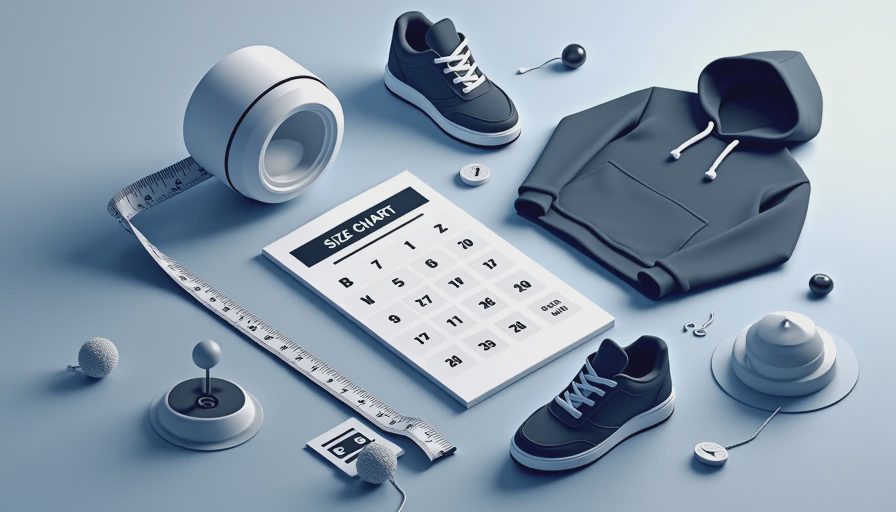
What I like to see is a garment that matches the biggest measurement first and can be shortened or taken in second. That is how you avoid the classic return pile: the sleeves are too short, so you size up; then the shoulders fall off and the hem turns into a dress. For outerwear, a bit of extra room is fine. For anything that buttons at the front, too much ease can make the front lap open and the whole garment feel awkward. A good youth size chart gives you the map, but the tape measure tells you whether the road is actually there.
Why fabric changes the whole answer
Not every fabric behaves the same way, and this is where shoppers get fooled. A cotton tee with a little stretch can handle a closer fit. A crisp button-down in woven cotton cannot. Fleece sweatshirts hide a lot. Denim and twill do not forgive much at the seat or thigh. When people ask me why one child seems to wear a size and another seems swallowed by it, the answer is usually in the cloth and the cut, not the number on the tag.
A youth size chart is most helpful when you read it alongside fabric behavior. Stretch gives you slack. Structure takes it away. Knit leggings can tolerate a close waist and still move comfortably. School pants with a flat front and minimal stretch need more room through the hip and thigh or they will drag at the crotch and feel tight by lunch. If you have ever seen a child tugging at a waistband every ten minutes, that is the garment telling on itself. The inside tells the truth, and the seam allowance tells it even louder.
The costly mistakes I see over and over
The biggest mistake with a youth size chart is buying for the age printed in your head instead of the measurement in front of you. The second is assuming every brand grades the same way. They do not. One label may make a size 10 long and narrow. Another may cut it boxy and short. That is why two tops with the same number can fit like distant cousins.
Another common slip is forgetting that some clothes shrink after the first wash. If the fabric is mostly cotton and the tag is vague about pre-shrinking, you need to leave room for that. I have also seen people buy up a size hoping to get more life out of the piece, only to discover the neckline sits wrong and the sleeves never recover. Bigger is not better if the garment stops sitting on the body properly. Fit comes first, longevity second. That sounds fussy until you compare the cost of one well-fit item to three that never make it out of the drawer.
A simple way to choose the next size
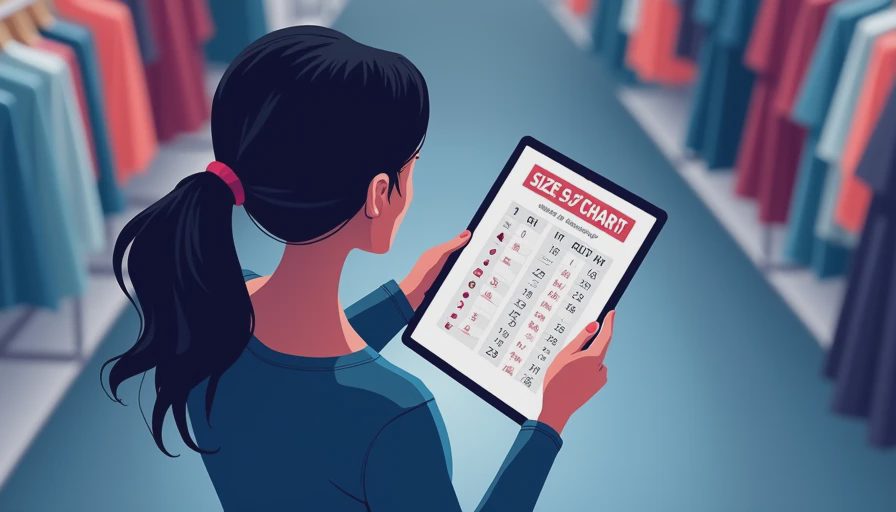
If you are standing in front of a screen or a dressing room and the numbers are close, start with the hardest measurement and work outward. For tops, that is usually chest and shoulder. For pants, it is waist, rise, and inseam. For dresses, look at bust and torso length before you get distracted by the waist. If one size fits the body but the hem is too long, that is easy. If the fit is off at the armhole or crotch, that is where the shape breaks down.
When in doubt, choose the size that respects the body and the garment’s construction at the same time. That is the whole job of a youth size chart: not to guess age, but to help you avoid buying something that needs a miracle to work. Save the chart, keep the tape measure nearby, and trust what you see when the garment is turned inside out. The inside tells the truth, every time.
The fitting room test that saves returns
Before you cut off a tag or order a second color, do one quick movement check. Have the child sit down, reach both arms overhead, bend at the waist, and take a few steps. If the neckline climbs up, the shoulder seam slides halfway down the arm, or the crotch seam starts to pull tight, the size is wrong even if the number looks right on paper. A garment should move with the body, not brace against it like cardboard.
I like this test because it catches problems a mirror misses. A top can look fine from the front and still feel miserable once a child raises a hand in class or climbs into a car seat. A youth size chart is a tool, not a promise. Use it, compare it, then let real movement make the final call. That is how you buy fewer duds and keep more clothes in rotation.



No notes yet — write the first one.