A 22 inches waist comparison is only useful when you know what you are comparing it to. A body measurement, a skirt waistband, and a pair of jeans are not the same thing, even if the number looks tidy on paper. I have ripped apart enough garments to know that the inside tells the truth. The label can be hopeful; the seam line is honest. If you are trying to figure out whether a garment will fit, the real question is not whether 22 sounds small or large. It is whether that 22 was measured on your body, on a flat garment, or on a style that sits high, low, or somewhere in between.
Start with the measurement you can trust
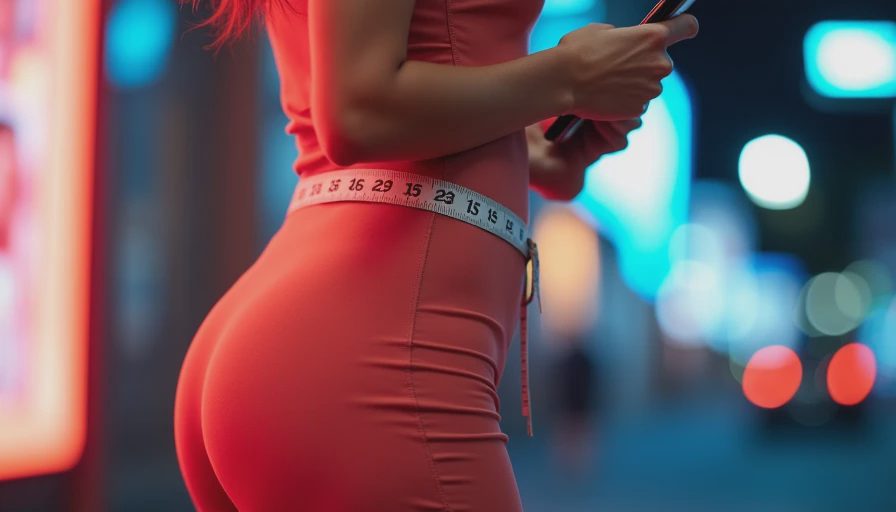
Measure the body first, and do it where the garment is meant to sit. That sounds obvious, but people skip it and then blame the size tag. A true waist measurement is taken around the narrowest part of the torso, with the tape level and snug but not compressed. If the garment sits below the natural waist, measure lower. If it is a high-rise trouser, go higher. A waistband that lands in the wrong place can make a good number behave like a bad one.
When I alter a dress, I start with the body and then compare it to the cut of the garment. A 22-inch waist on a body is not the same as a 22-inch waistband laid flat on a table. A flat waistband is usually doubled to get the full circumference, and then you still have to account for closure overlap, seam allowance, and whether the fabric has any give. That is why one skirt zips easily and another one fights you before it ever reaches the zipper pull.
How a 22 inches waist comparison works on jeans and trousers
Jeans are where people get tripped up fastest. Rigid denim has almost no mercy, and stretch denim can hide a lot of sins until the first wash. In a 22 inches waist comparison, a pair of jeans with a contoured waistband and a little elastane will feel very different from a stiff vintage cut with a straight waistband and no stretch. The first one follows the body; the second one asks the body to comply.
Trousers give you other clues. A trouser with front darts, a side zipper, or a curved waistband often fits a smaller waist more cleanly than a basic straight cut, because the pattern is already shaped for a real torso. If the waistband is perfectly smooth but the back gapes, the rise is usually wrong or the waist is too straight for the body. If the pants close but pinch at the side seam, the waist might be technically right while the hip line is not.
A lot of modern sizing muddies this water. One brand’s size 00 can run larger than another brand’s 24, and a 22-inch body measurement may still need a garment labeled larger than you expected. That is not vanity on your part. That is pattern variation, and it is built right into the industry.
The hips, rise, and back waist decide the fit
If the waist is the only number you check, you will miss the part that actually makes clothes wearable. A garment can technically close and still feel wrong because the rise is too short, the back waist is too long, or the hip curve is fighting the body. I see this constantly in fitted skirts and straight-leg pants. The front looks fine; the back is another story.
On a good garment, the waistline follows the body without digging in, the side seams hang close to vertical, and the back does not pull into diagonal strain lines. If the waistband dips down in back, the rise is probably too low. If there is a bubble of fabric above the seat, the cut may be too generous through the back waist. These are small shape problems, but they change how polished the whole outfit looks.
Why a 22 inches waist comparison still needs the rest of the garment
This is where people get fooled by the number on the tag. Two garments can both measure close to 22 inches at the waist and fit nothing alike. One may have a firm lining, a clean facing, and enough seam allowance to be let out later. Another may have an elastic back, weak stitching, and a waistband that collapses after a few wears. Same number. Very different life.
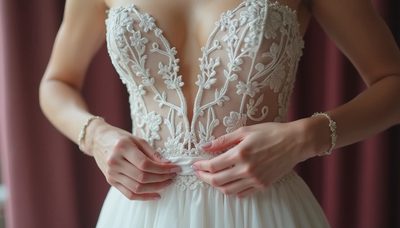
In dresses, the bust and hip shape matter just as much as the waist. If a dress is cut to skim the waist but has no room in the rib cage or no room over the seat, the zipper will tell on it immediately. That is why bridal fittings taught me to stop worshipping one measurement. A dress is a system. The bodice, the seam placement, the dart intake, and the drape all have to agree. When they do, the waist looks smaller without trying so hard.
For skirts, look at whether the waist is faced, banded, or elasticized. A clean waistband with a hook-and-bar closure behaves differently from a soft elastic waistband, even if both are called the same size. The shape of the interior matters. It always does.
When to buy, tailor, or walk away
If you are shopping and the waistband closes but the rest of the garment is slightly off, that is usually tailor territory. A skilled tailor can take in a waist, adjust darts, reshape a center back seam, or taper a waistband so the piece sits cleaner. Waist work is often straightforward on woven skirts and trousers, especially when there is seam allowance to use. It gets harder when the side seams are decorative, the fabric is fragile, or the design depends on the original line.
If the garment is close in the waist but wrong in the rise, the fix may be more expensive than the purchase. I would rather see you spend thirty dollars on a better hem or a simple waist nip than seventy-five dollars trying to force a badly drafted pair of pants to behave. Sometimes the smartest buy is the one that needs no apology at the mirror.
When a piece is far off in the hips, too short in the rise, or built with almost no seam allowance, walk away. Clothes should not require a negotiation every time you wear them. The inside tells the truth, and so does your reflection when you stop tugging at the waistband.
A simple fitting check before you hand over the card
Before you buy, look at the waistband from the inside and the outside. Check whether the closure lies flat, whether the side seams stay straight, and whether the fabric has enough body to keep its shape after a day of wear. If you are holding a pair of pants, pinch the waistband and see how much structure it has. If the fabric collapses like a paper napkin, it will probably behave that way on your body too.
For a real 22 inches waist comparison, compare body measurement, garment measurement, and construction quality together. That is the only way the number becomes useful. A good fit is not magic, and it is not luck. It is pattern shape, seam placement, and honest measuring, all working in the same direction.
If you remember one thing from my fitting table, remember this: a smaller waist number is not the goal. A waistline that sits where it should, closes cleanly, and lets the rest of the garment fall correctly is the goal. That is the part people notice, even when they cannot name it.

And when you are still unsure, turn the garment inside out and look at what is really going on. The inside tells the truth.



No notes yet — write the first one.